The difference between Ni201 and Ni200:
Ni201 is known as N4 domestically; Ni200 is known as N6 domestically.
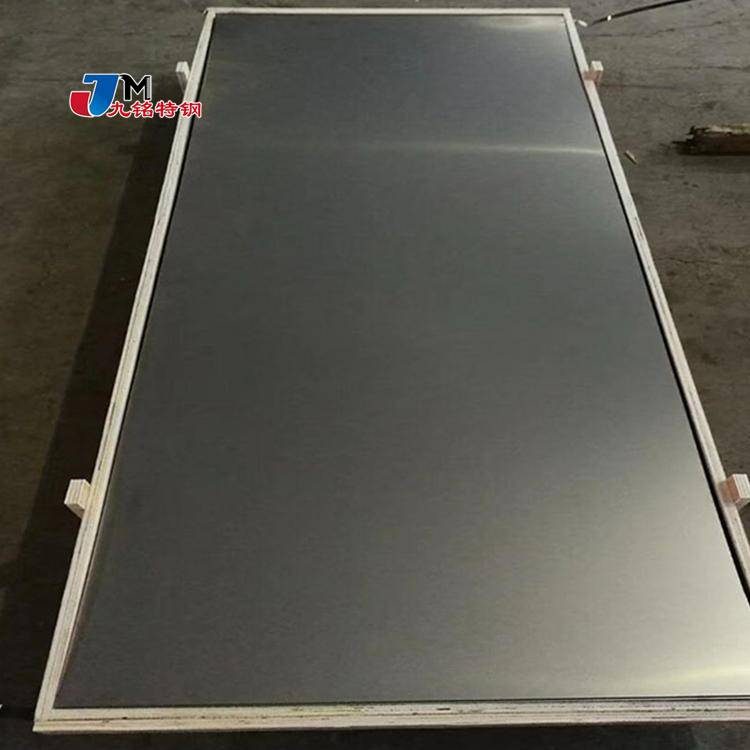
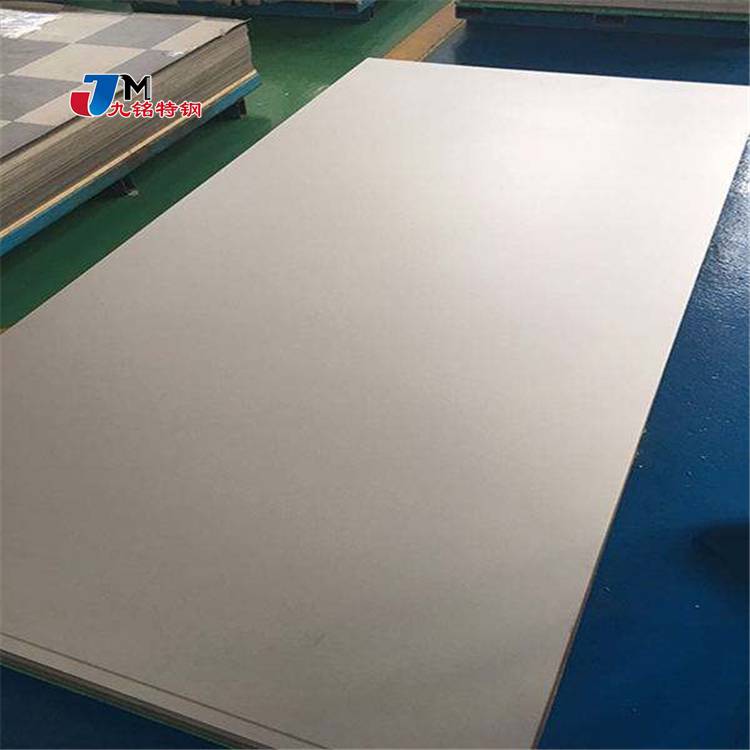
Nickel 201 boasts excellent corrosion resistance, high electrical vacuum properties, and electromagnetic performance, widely used in chemical, mechanical electronics, and food industries. Pure nickel has superior welding and processing capabilities, which can be processed into tubes, rods, wires, plates, and foil products.
UNS: N02201 / W.Nr.2.4061
Chemical composition of Nickel 201
Alloy | % | Nickel+Cobalt | Iron | Carbon | Manganese | Silicon | Copper | Sulfur |
Nickel 201 | Please provide the Chinese content that needs to be translated into American English. | 0.4 | 0.02 | 0.35 | 0.35 | 0.25 | 0.01 | |
Please provide the Chinese content to be translated. | 99 |
Physical Properties of Nickel 201
Density | 8.89 g/cm3 |
Melting Point | 1435-1446°C |
Mechanical properties of Nickel 201
Alloy | Tensile strength(MPA) Rm N/mm2 | Yield StrengthMPA) RP0.2N/mm2 | Tensile elongation A5 % |
Nickel 201 | 345-415 | 70-170 | 40-60 |
Nickel 201 is a low-carbon pure commercial nickel that has been approved for use in high-temperature environments up to 1230°C. It is widely applied in industrial applications. One of the wide materials, it boasts excellent mechanical properties and superior corrosion resistance in many corrosive environments, particularly resistant to burning corrosion. Compared to Ni200, Ni201 has a lower carbon content, making it more suitable for operation at temperatures up to 315°C.
Applications of Nickel 201
Food processing equipment, salt refining machinery, mining and marine extraction. Equipment for manufacturing industrial sodium hydroxide under high temperatures above 300°C. In the materials field, used for producing round bars, forgings, plates, strips, etc.
Nickel 200 boasts excellent corrosion resistance, high electrical vacuum properties, and electromagnetic properties, widely used in chemical industry, mechanical electronics, food, and more. Pure nickel has excellent welding and processing capabilities, which can be processed into tube, rod, wire, sheet, and foil products. It is extensively applied in industrial applications. One of the wide-ranging materials, it boasts excellent mechanical properties and superior corrosion resistance in many environments, particularly resistant to burning corrosion.
UNS: N02200 / W.Nr.2.4060
Chemical composition of Nickel 200
Alloy | % | Nickel+Cobalt | Iron | Carbon | Manganese | Silicon | Copper | Sulfur |
Nickel 200 | Please provide the Chinese content to be translated. | 0.4 | 0.15 | 0.35 | 0.35 | 0.25 | 0.01 | |
Small | 99 |
Physical Properties of Nickel 200
Density | 8.89 g/cm3 |
Melting Point | 1435-1446°C |
Mechanical properties of Nickel 200
Alloy | Tensile strength(MPA) Rm N/mm2 | Yield StrengthMPA) RP0.2N/mm2 | Tensile elongation A5 % |
Nickel 200 | 415-585 | 105-310 | 35-55 |
Nickel 200 is a pure commercial (99.6%) nickel with excellent mechanical properties and corrosion resistance, high thermal and electrical conductivity, low gas content, and low vapor pressure.
Nickel 200 Applications
Nickel 200 is used in food processing equipment and salt refining equipment. However, equipment required for the production of industrial sodium hydroxide under high temperatures above 300℃. In the field of materials, it can be used to manufacture sheets, strips, round bars, welding pipes, and more.