Dimet 520 is a nickel-chromium-cobalt alloy. The addition of tungsten and molybdenum results in the alloy's age hardening and strengthening.
Udimet 520 is annealed at 1107°C (2025°F) and then rapidly cooled in air. Cold working
Standard cooling methods are used for cold forming Udimet 520. Although the mold lifespan is limited, the use of heavy-duty lubricants and soft mold materials can Minimize wear to the fullest extent. Recommend using tools during the cold working process to allow for free radii and gaps.
Udimet 520 Chemical Composition
Component Content (%):
Ni:52.18—59.976
Cr:18—20
Co:11—14
Mo:5.5—7
Ti:2.9—3.25
Al:1.8—2.3
W:0.8—1.2
C:0.02—0.06
B: Less than 0.002
Welding
Recommended welding processes for Udimet 520 include gas tungsten arc welding, gas metal arc welding, and shielded metal arc welding. This alloy can be welded using standard welding procedures, and the welding surface should be free of paint, pencil marks, or oil.
Forging
Udimet 520 is malleable, thus forgeable.
Formulate
Due to the excellent ductility of Udimet 520, it can be easily formed using conventional methods. To achieve good forming results, a robust equipment was employed to prevent the alloy from embrittlement at high temperatures.
Wear resistance
Udimet 520 can be processed through conventional machining methods. This alloy boasts high strength, tenacity, and work-hardening properties. During grinding, turning, or polishing, Easy to use with water-based coolants. For drilling, boring, reaming, or tapping operations. Easy to use with heavy lubricants. The work-hardening and vibration of the alloy before the cutting process can be mitigated through the use of tools and heavy-duty machining equipment. Miniaturization
Aging
Udimet 520 has been air-hardened at three different temperatures.
Heat for 4 hours at 1107°C (2025°F) and then cool in air.
Heated at 843°C (1550°F) for 24 hours, then cooled in air.
Heated at 760°C (1400°F) for 16 hours and then cooled in air.
Heat Treatment
Udimet 520 can be hardened through heat treatment.
Application Scope
Udimet 520 is used for gas turbine hot section components and industrial applications, where high thermal strength is required.
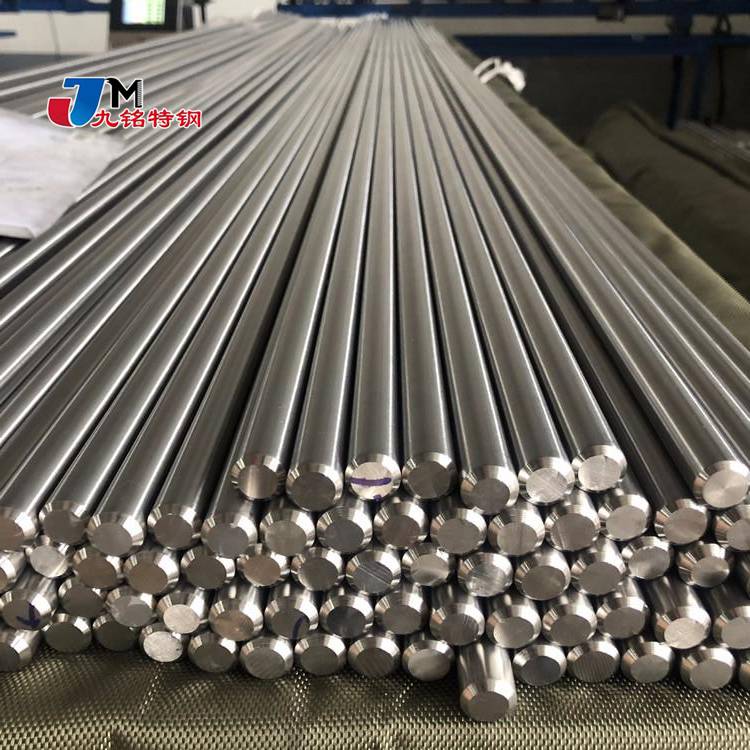
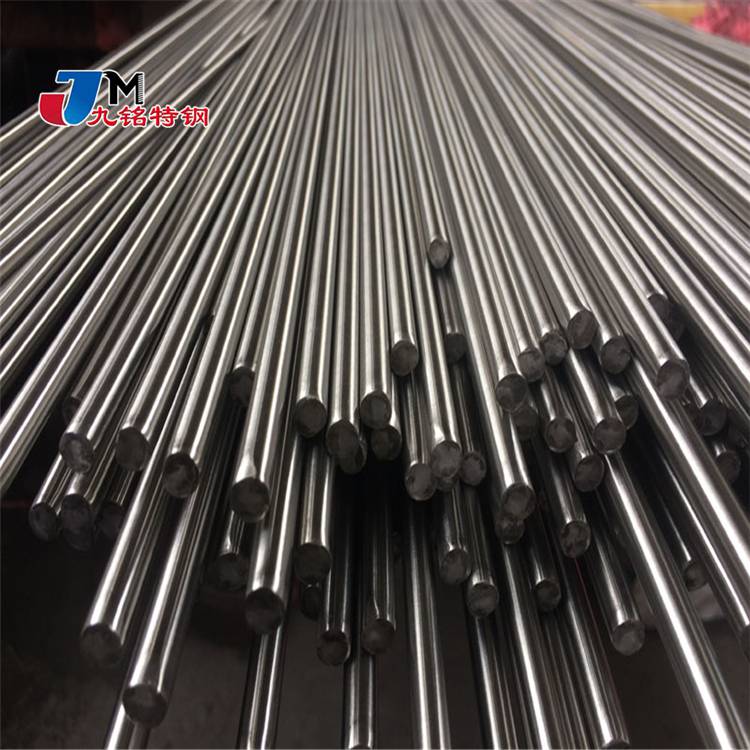
Supply forms include: plates, tubes, bars, welding materials, fittings, forgings, etc. Main varieties include: Nickel Ni201/Ni200, Inconel 600/601/625/690/X-750/718/2.4668, Hastelloy C-276/C-22/C-2000/C-4/B-3/G-30, Incoloy 825/800L/800/800H/800HT/840/20, Monel 400/K-500 (UNS N07718), duplex steel grades 1.4462 S32750 F51 F53, austenitic stainless steel AL-6XN 254SMO S31254 904L, heat-resistant steel S30815 253MA, and other high-alloy products. 825 alloy, 625 alloy, GH600 UNS N10276 N06600 Hastelloy B-2 Hastelloy C-22 Inconel X-750 Hastelloy C-4 N06625 Incoloy 925 Incoloy 800H Incoloy 901 Inconel 725 Inconel 718 Incoloy 800 Incolloy A-286 Incoloy 926 Alloy 20Cb-3 Nickel Alloys/Nickel Alloys · Nickel201: Similar to Nickel200, except for its lower carbon content for better ductility, primarily used in the chemical industry. · Hastelloy C-22: A nickel, chromium, molybdenum, tungsten metal alloy with corrosion resistance to many industrial chemicals and excellent weldability. · Haynes 214: Precipitation-hardening nickel alloy with oxidation resistance up to 2000°F. Used for components exposed to chromium carbide, chloride contamination, and chloride environments in furnaces and gas turbines. · Haynes 230: Nickel, chromium, molybdenum, tungsten alloy, suitable for environments up to 2100°F.JiaLong-lasting antioxidant capability. ·Monel400: A solid solution and high-strength alloy suitable for electronic components and springs over a wide temperature range. It exhibits corrosion and oxidation resistance up to 1000ºF. ·Inconel600: High corrosion resistance with excellent strength and machinability, mainly used in corrosive environments. It demonstrates oxidation resistance up to 2150ºF. ·Inconel625: Extremely high corrosion resistance and machinability, suitable for environments from low to up to 2000ºF. ·Inconel718: A high-strength, corrosion-resistant alloy used in temperature environments from 423ºF to 1300ºF, applicable in the nuclear industry. ·Inconel X750: A precipitation-hardening nickel-chromium alloy with strength suitable for environments up to 1500ºF, offering good corrosion and antioxidant properties. ·Incoloy800: A nickel, iron, and chromium alloy that prevents carburization at high temperatures. ·Incoloy825: An alloy resistant to aggressive corrosive environments such as seawater. ·Ni-Span-C902: A nickel, iron, and chromium alloy suitable for precision spring parts in environments with drastic temperature changes. ·Hastelloy C276: Suitable for the chemical industry, resistant to oxidizers. It can replace HASTELLOY®C2 but has better machinability. ·Hastelloy X: Used in jet engine components including afterburners, blades, exhaust nozzles, honeycombs, bellows, and pipes. It maintains good strength and oxidation resistance up to 2200ºF. ·Waspaloy: The primary material for jet engine turbines, blades, spacers, and shafts, suitable for high-temperature components.