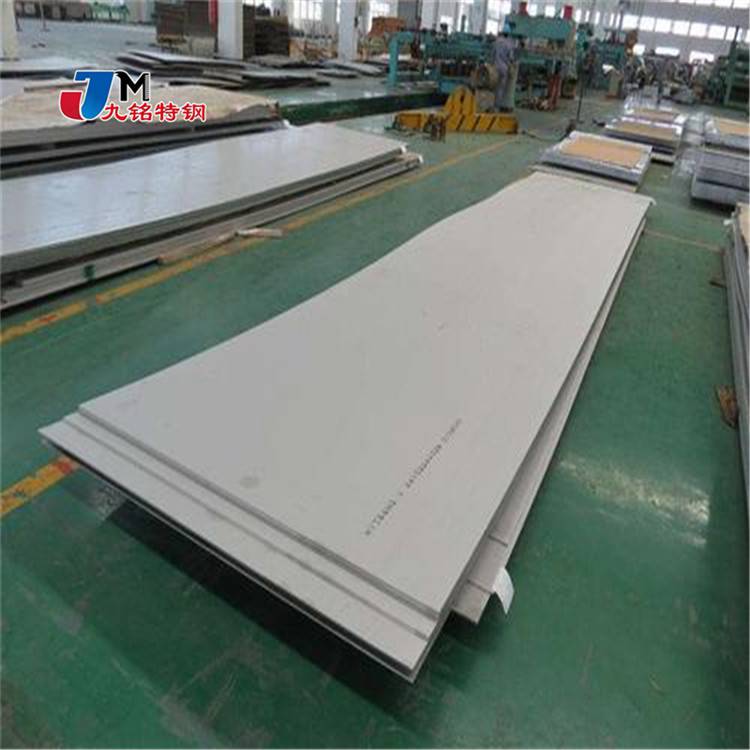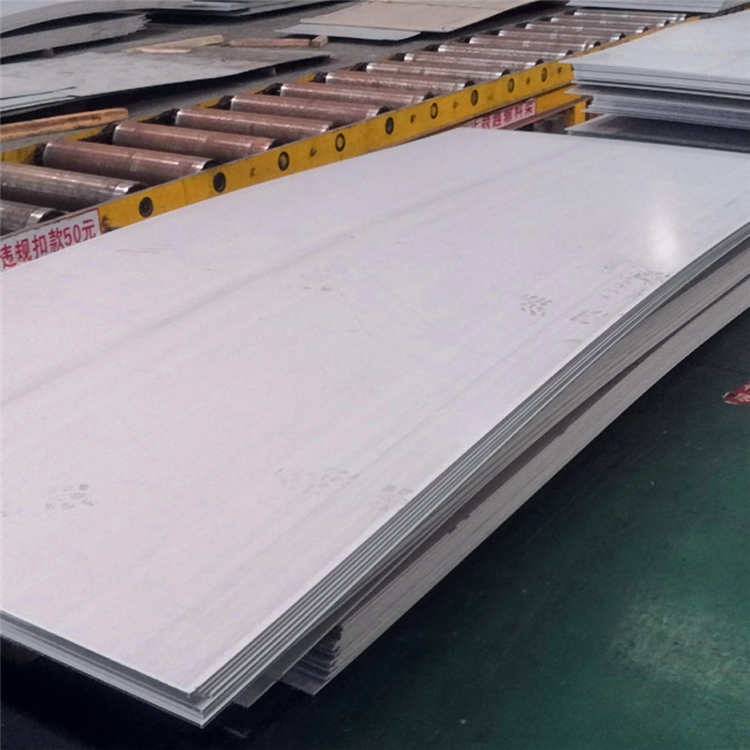
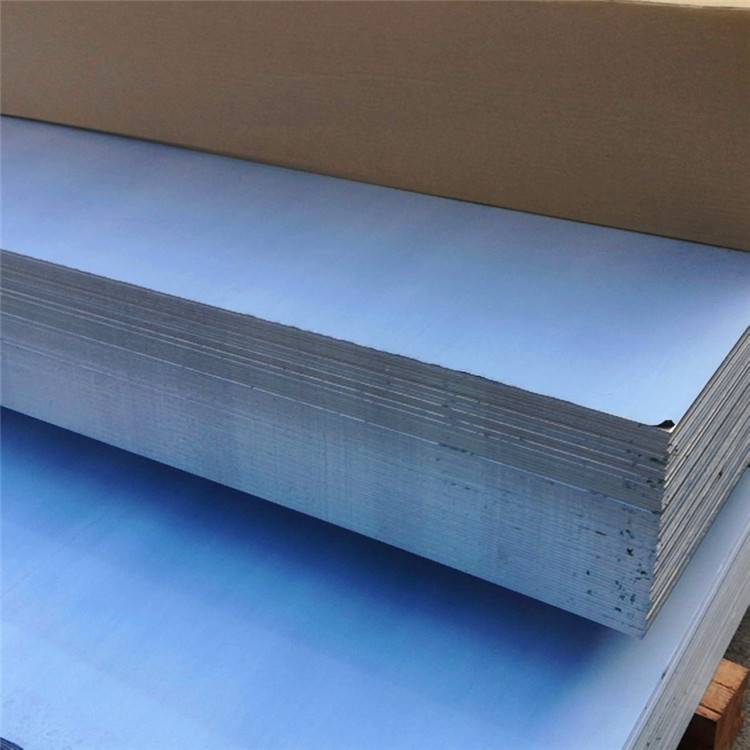
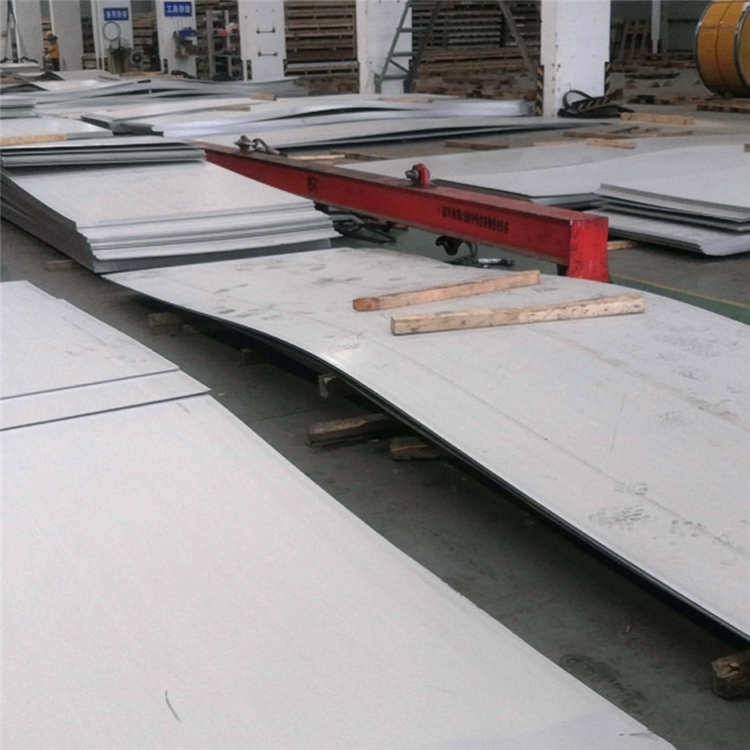
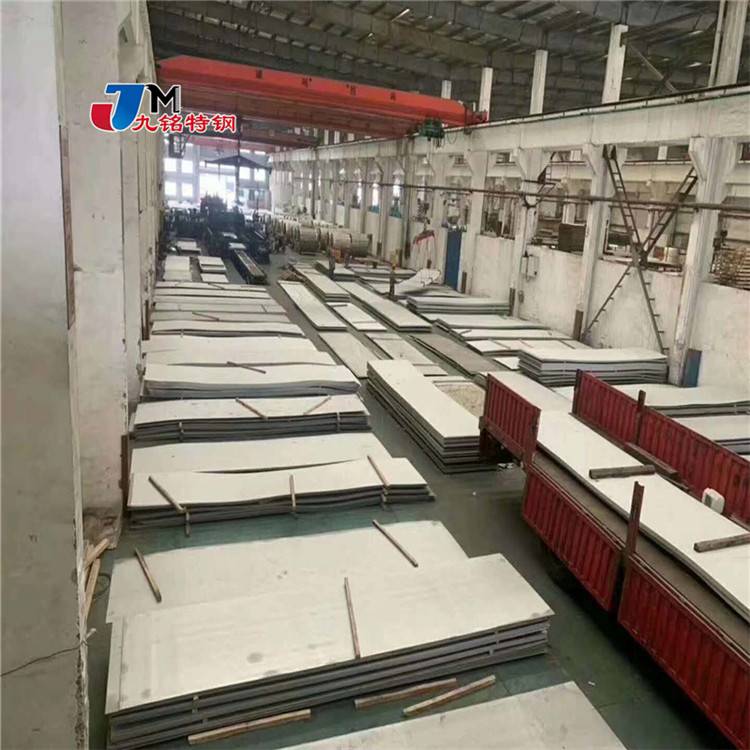
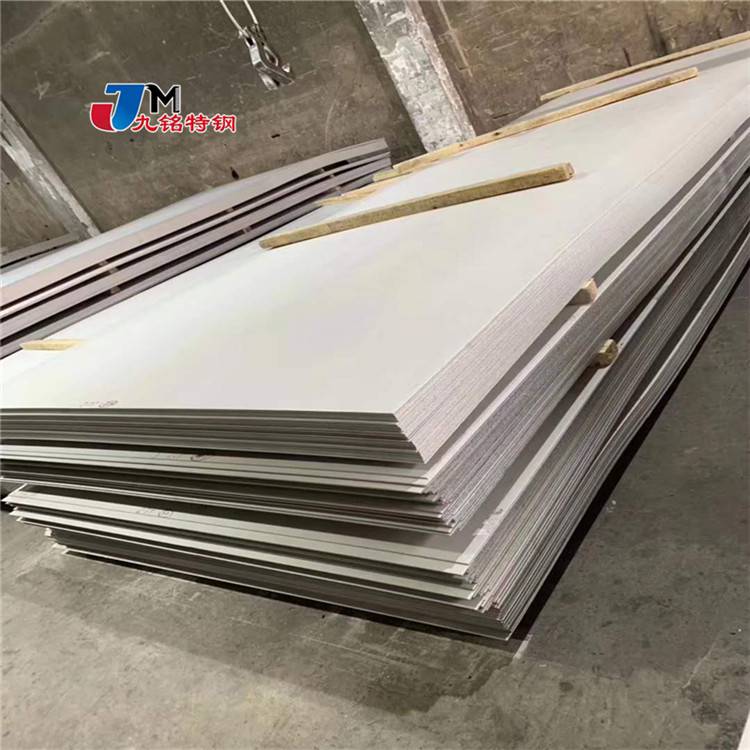
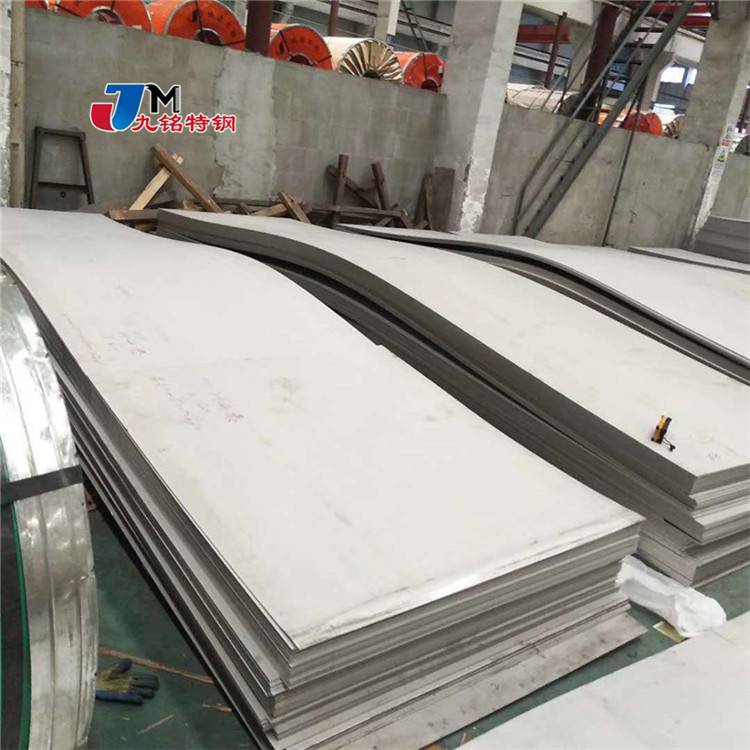
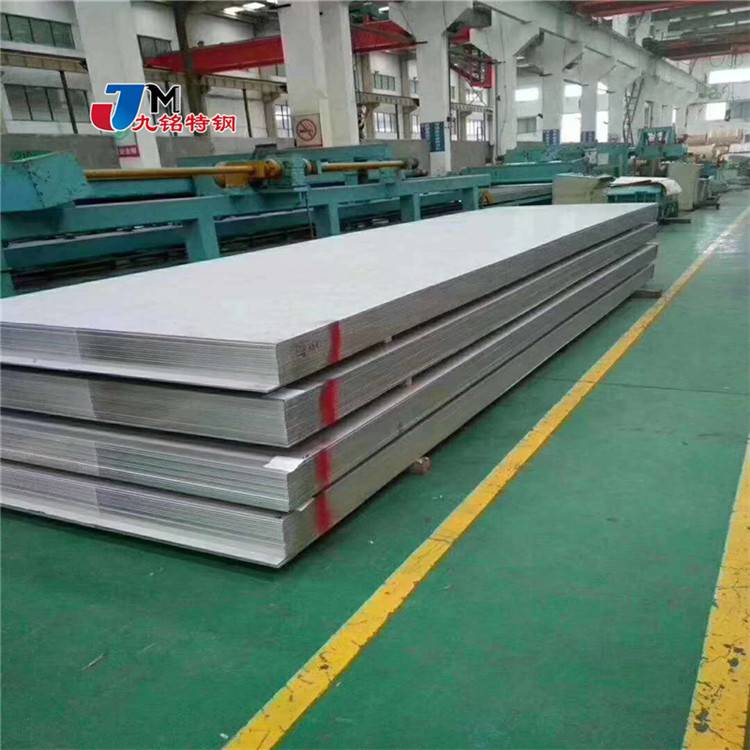
Jingming Brand supplies 00Cr19Ni10 stainless steel plates, low-carbon cold-rolled stainless steel sheets, with competitive prices.
Name: 304L Stainless Steel Sheet, 304L Stainless Steel Flat Sheet, 304L Stainless Steel 8K Sheet
Grade: 00Cr19Ni10 (0Cr18Ni10)
Chemical Composition %
P :≤0.035
S :≤0.03
Cr :18.0~20.0
Ni :8.0~10.0
Yield Strength (N/mm²) ≥ 205
Tensile Strength ≥ 520
Tensile elongation (%) ≥ 40
Hardness HB ≤187, HRB ≤90, HV ≤200
Density 7.93 g/cm³
Specific heat capacity c(20℃) 0.502 J·(g·C)-1
Thermal conductivity λ / W/(m·℃)-1 (at the following temperatures/℃)
20 100 500
12.1 16.3 21.4
Coefficient of Linear Expansion α/(10^-6/°C) (Over the Following Temperature Range/°C)
20~100 20~200 20~300 20~400
16.0 16.8 17.5 18.1
Resistivity 0.73 Ω·mm²·m⁻¹
Melting Point: 1398~1420℃
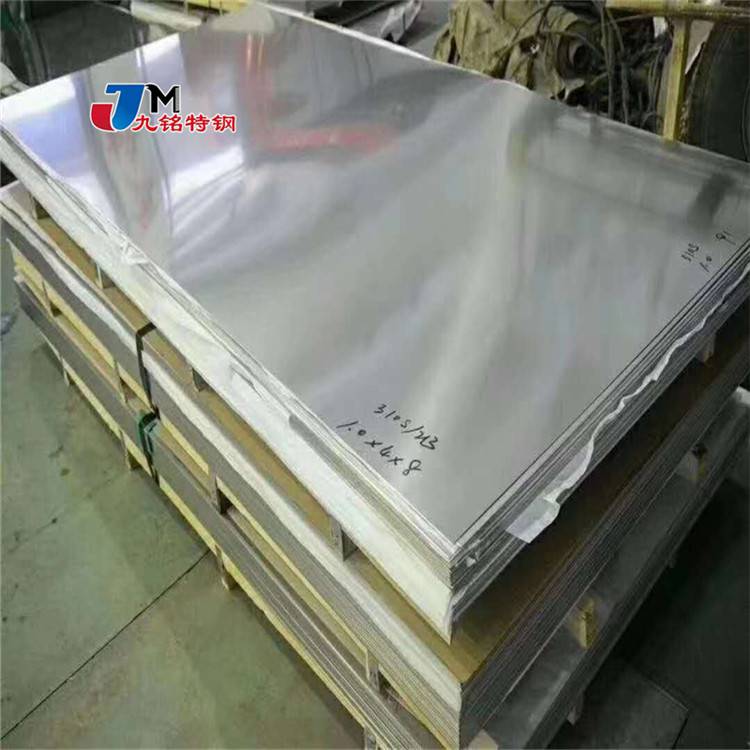
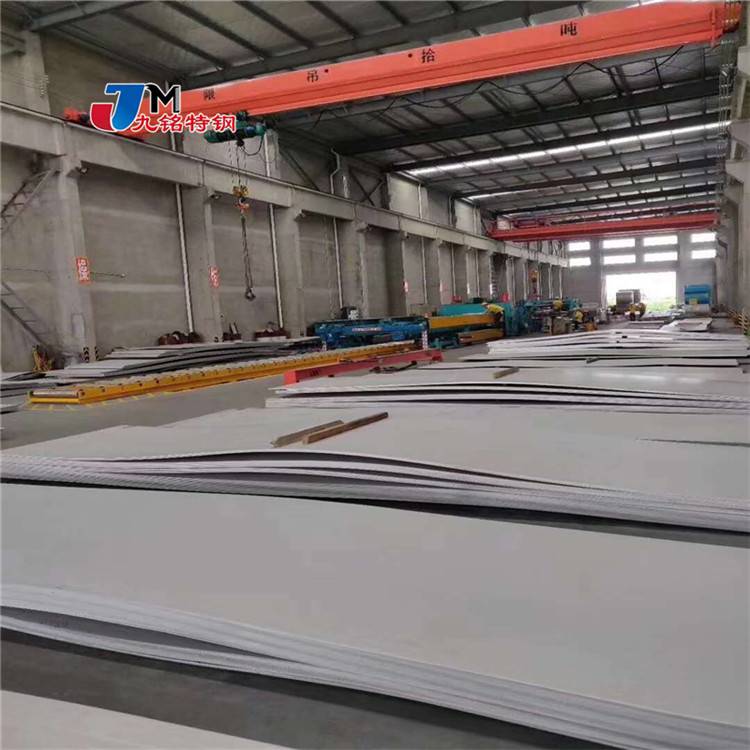

As a low-C 304 steel, it exhibits similar corrosion resistance to 304 steel under normal conditions. However, it boasts enhanced grain boundary corrosion resistance after welding or under stress. Even without heat treatment, it maintains excellent corrosion resistance, typically used below 400°C (non-magnetic, operating temperature range -196°C to 800°C).
Used for outdoor machinery with high requirements for intergranular corrosion resistance in chemical, coal, and petroleum industries, as well as construction materials, heat-resistant parts, and components with difficult heat treatment.
The development of 304L stainless steel has significantly outperformed other materials in terms of corrosion resistance, appearance, workability, and strength. Moreover, numerous surface treatments for stainless steel can achieve a wide array of colors and shapes, greatly contributing to its advancement.
Surface treatment methods in the manufacturing process of 304L stainless steel, as well as mechanical polishing surface treatment.
304L Stainless Steel Mirror Sheet
304L Stainless Steel Mirror Sheet
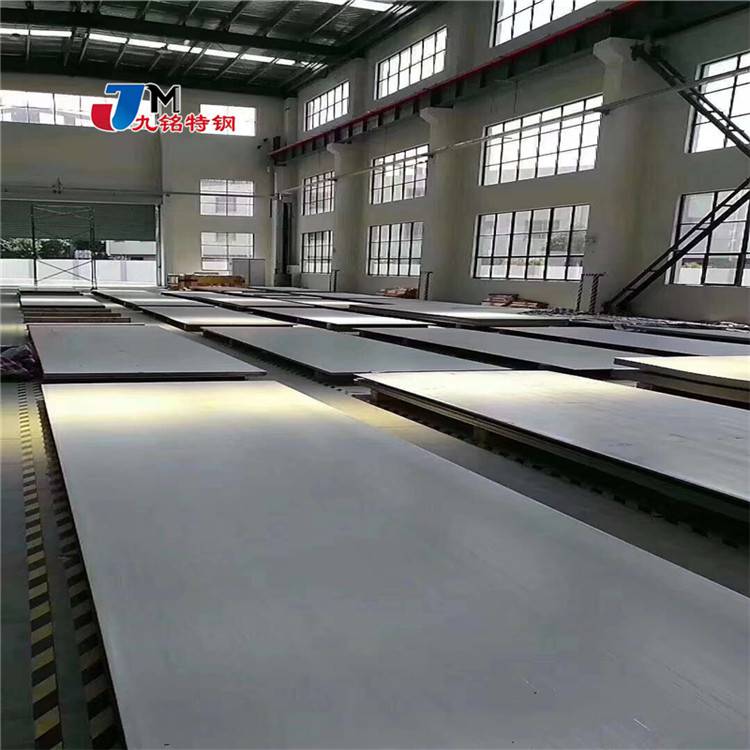
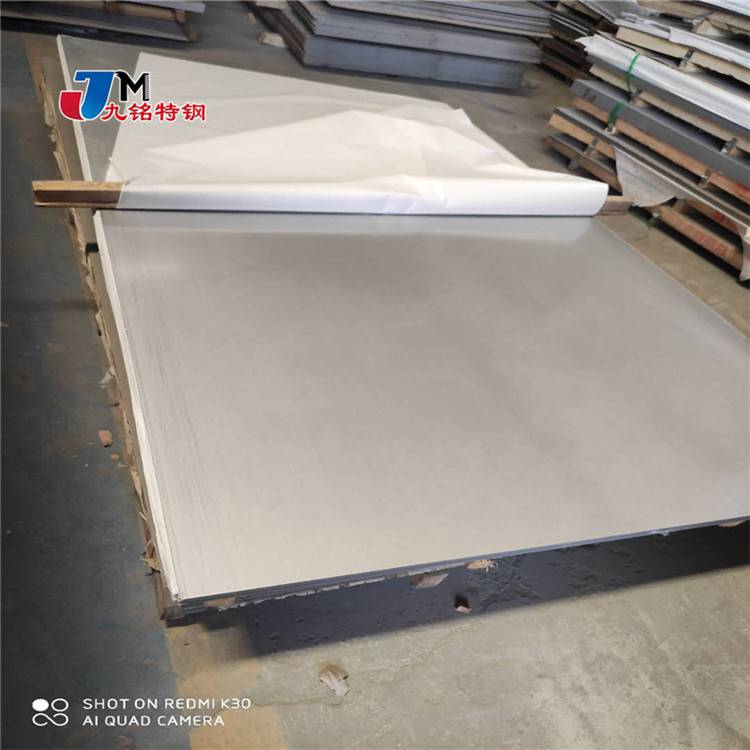
Surface Features, Manufacturing Method Overview, Application
Silver white, matte finish; rough, non-shiny surface hot-rolled to specified thickness, then annealed and descaled; suitable for applications where surface luster is not required.
NO.2D Silver White - Heat treated and washed after cold rolling, sometimes subjected to a final light rolling on the rough surface roller for a matte finish. 2D products are suitable for applications with less stringent surface requirements, general-purpose materials, and deep drawing materials.
NO.2B has a higher luster than NO.2D. After NO.2D is processed, it undergoes a final light cold rolling with a polishing roller to achieve the appropriate luster. This is a common surface treatment, which can also be a step in polishing. Generally used materials:
BA Bright as a mirror; no standard, but usually a surface treatment with bright annealing, high surface reflectivity. Building materials, kitchenware
NO.3 Coarse Grinding: Use 100~200 grit abrasive belts to grind NO.2D and NO.2B materials. For building materials and kitchenware.
NO.4 Polishing - Achieved by polishing NO.2D and NO.2B materials with a 150~180 grit abrasive belt, this finish is general-purpose, featuring a bright, mirror-like reflective surface with visible 'grains.' Same as above.
NO.240 Fine Grinding - Use 240# abrasive belt to grind NO.2D and NO.2B materials, for kitchenware
NO.320 Fine Grinding - Grind NO.2D and NO.2B materials using a 320# abrasive grinding belt. As above.
NO.400 Gloss Close to BA - Use 400# polishing wheel to grind NO.2B material. General-purpose materials, construction materials, kitchenware.
HL Grain Pattern Grinding - Utilize grinding materials with appropriate particle sizes for grain pattern grinding (150~240#), featuring numerous grits. Building materials for residential and commercial use.
NO.7 Mirror-like finish, polished with a 600# rotary polishing wheel; suitable for art and decorative purposes.
NO.8 Mirror Polishing - Mirror polishing wheel for mirror grinding, reflective mirrors, decorative use