Jingming Special Steel - 202 Stainless Steel Sheets - Manufacturer of Brushed Stainless Steel Plates - Specifications and Quotations
202 stainless steel is a type within the 200 series of stainless steels, with the national standard grade of 1Cr18Mn8Ni5N. The 200 series stainless steels are low-nickel, high-manganese types, containing approximately 8% manganese, and are nickel-saving stainless steels. Chemical Composition Edit Chemical Composition/% Grade C Si Mn P S Ni Cr Mo Cu N Others 202 ≤0.15 ≤1.0 ≤7.5~10.0 ≤0.060 ≤0.03 4.00~6.00 17.0~19.0 —— —— ≤0.25 Mechanical Properties Edit Grade Heat Treatment Yield Strength MPa Tensile Strength MPa Elastic Modulus psi HBS HRB HV 202 1010~1120 Quench ≥275 ≥520 ≥400,000 ≤207 ≤95 ≤218
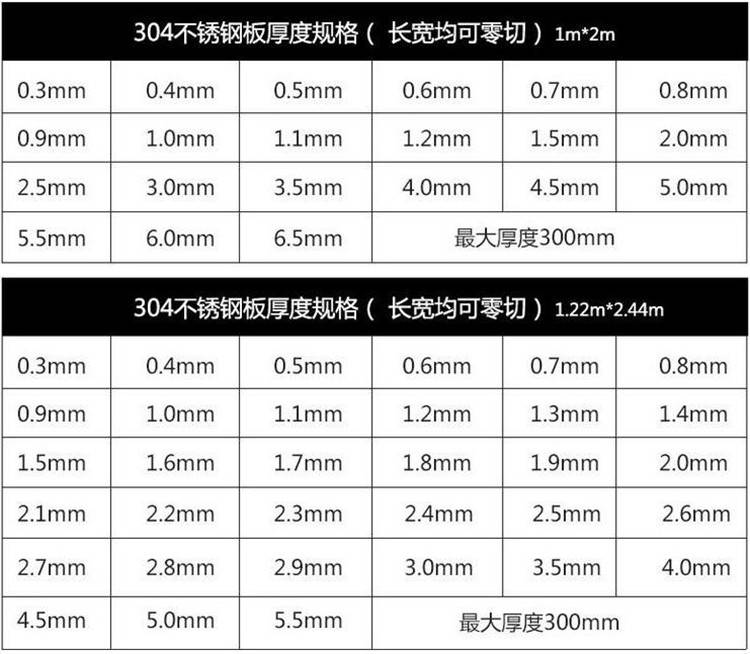
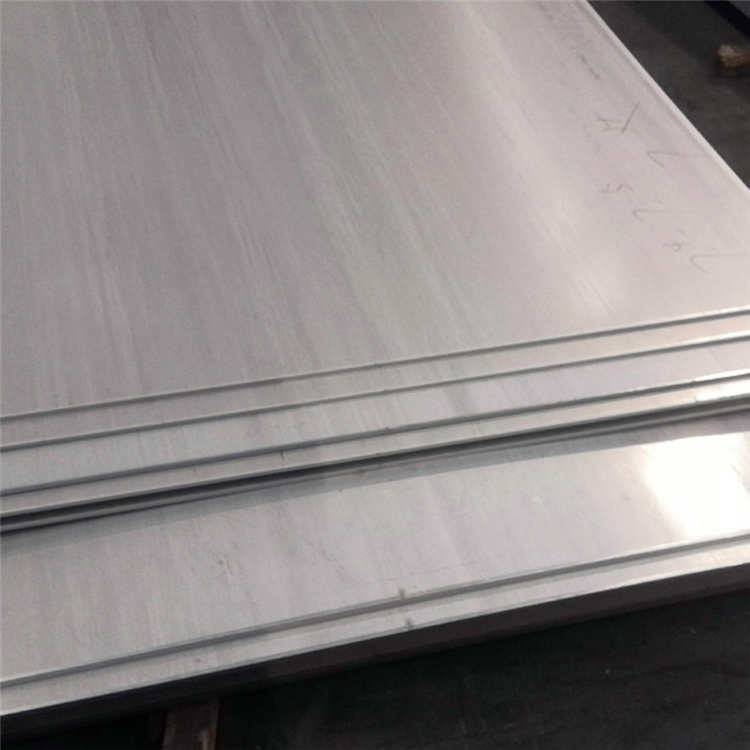
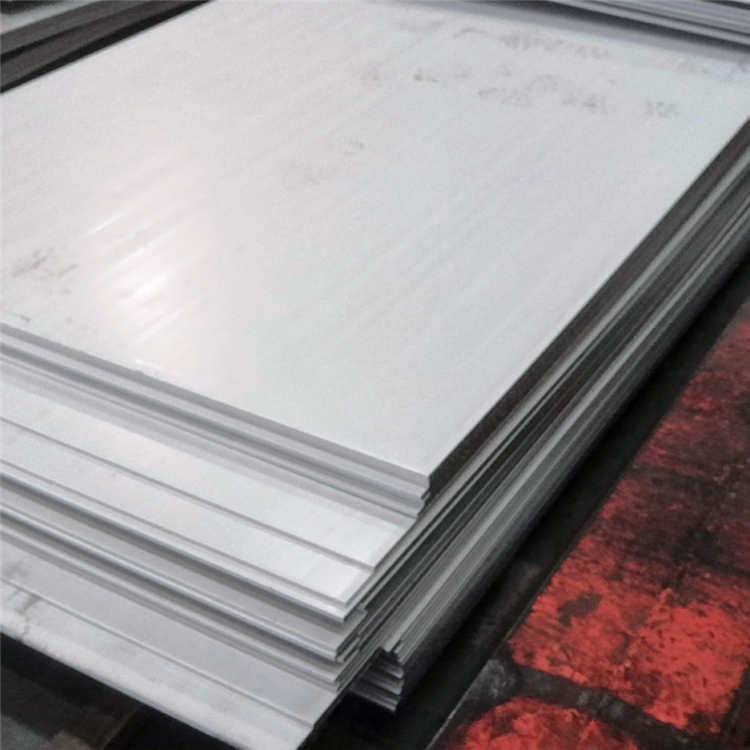
Factory-direct supply of 202, 201, 321, 316 thick stainless steel plates, 316 ultra-thin plates, 304 stainless steel plates, 316 stainless steel plates, 316L stainless steel plates, stainless steel coil, stainless steel flat plate, stainless steel 2B, BA sheets, 8K mirror finish plates, brushed stainless steel, stainless steel embossed plates, stainless steel titanium plates, decorative stainless steel plates, stainless steel cold rolled strips, stainless steel hot rolled strips, high precision steel strips, stainless steel spring strips, ultra-thin stainless steel strips, stainless steel hard sheets. Plate thickness: 0.3mm-50.0mm. Strip thickness: 0.05-4.0, width: 5.0-320mm. Special sizes available upon request. With comprehensive production management, strong technical strength, mature production processes, and excellent customer service, we are committed to becoming your stable material supplier. Warmly welcome friends from all industries to inquire, negotiate, and order!
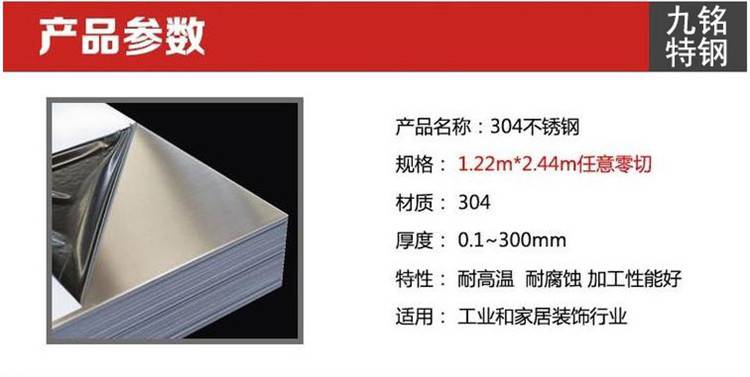
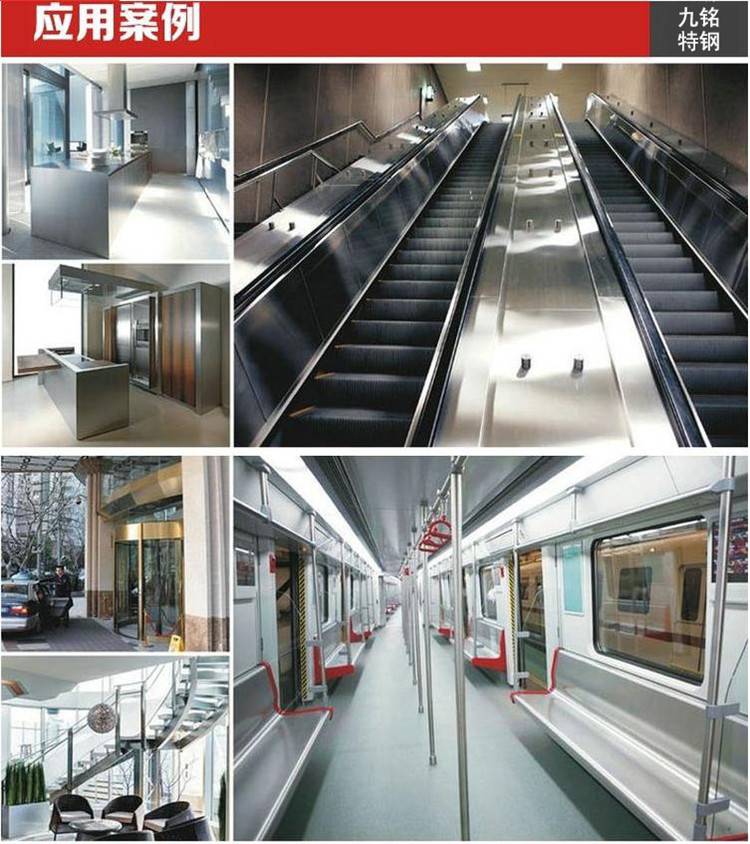
Stainless Steel's Role - Stainless steel is resistant to corrosion, pitting, rusting, or wear. It is also a strong material among the metal types used in construction. Due to its excellent corrosion resistance, stainless steel allows structural componentsMaintain the integrity of engineering designs. Chromium-plated stainless steel combines mechanical strength with high elongation, making it easy to process and manufacture components, and meets the needs of architects and structural designers. Typical Applications: Most applications require the long-term retention of the original appearance of the building. When determining the type of stainless steel to be used, the primary considerations are the required aesthetic standards, the corrosiveness of the local atmosphere, and the cleaning system to be adopted. However, for other applications, there is an increasing focus on structural integrity or impermeability. For example, the roofs and side walls of industrial buildings. In these applications, the construction cost to the owner may be more important than aesthetics, and a less-than-perfect surface is acceptable.
In dry indoor environments, 304 stainless steel performs quite well. However, to maintain its appearance outdoors in rural and urban areas, it requires regular cleaning. In heavily polluted industrial zones and coastal regions, the surface can become dirty and even corroded. To achieve an aesthetic effect in outdoor environments, nickel-containing stainless steel is necessary. Therefore, 304 stainless steel is used for facade, side walls, roofs, and other construction applications, but 316 stainless steel is preferred in highly corrosive industrial or marine atmospheres. Stainless steel sliding doors have been well-recognized for their structural properties. Several design guidelines include 304 and 316 stainless steels. Since "duplex" stainless steel 2205 combines excellent atmospheric corrosion resistance with high tensile and yield strength, it is also included in European standards. In terms of product shapes, stainless steel is actually produced in full standard metal shapes and sizes, as well as many special shapes.
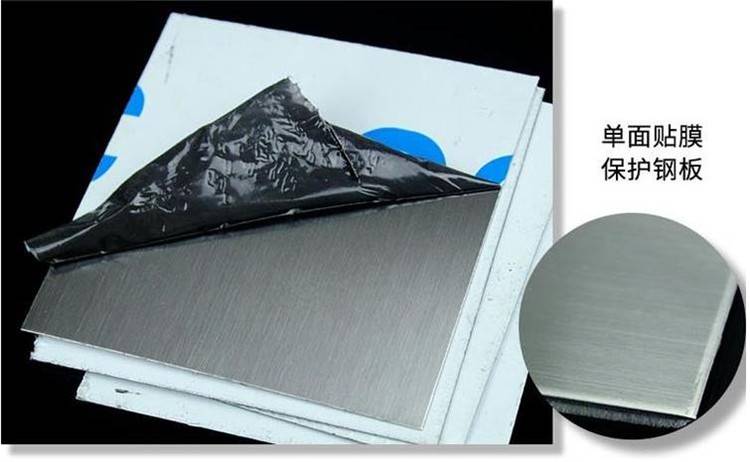
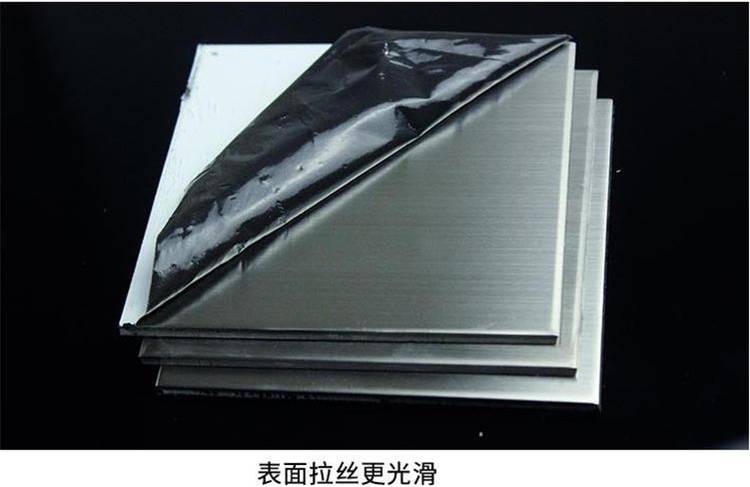
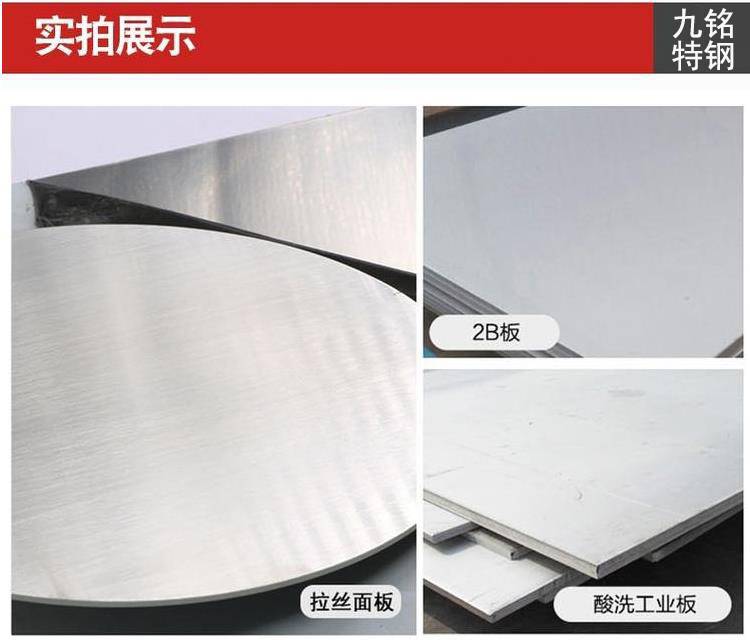
Common products are made from thin plates and strip steel, while special products are produced using medium to thick plates, such as hot-rolled structural steel and extruded structural steel. Additionally, we offer round, elliptical, square, rectangular, and hexagonal welded or seamless steel tubes, as well as other forms of products, including shapes, bars, wires, and castings. Surface Condition As will be discussed later, various commercial surface finishing processes have been developed to meet the aesthetic requirements of architects. For instance, the surface can be highly reflective or matte; it can be smooth, polished, or embossed; it can be colored, painted, electroplated, or have patterns etched into the surface of stainless steel, or undergo brushed finishes, etc., to satisfy the diverse appearance requirements of designers. Maintaining the surface condition is relatively easy; occasional rinsing can remove dust. Due to its good corrosion resistance, surface writing or other similar surface contaminants can also be easily removed.
Looking ahead, as stainless steel already possesses many ideal properties required for building materials, it is, in a sense, the metal of choice, and its development continues. Ongoing improvements are being made to existing types to enhance their performance in traditional applications, and new stainless steels are being developed to meet the stringent requirements of architectural applications. With ever-increasing production efficiency and continuous quality improvement, stainless steel has become a cost-effective material of choice for architects.Stainless steel combines performance, appearance, and usability, making it a top choice for construction materials. China Stainless Steel Marketing Network is a service platform that integrates information on stainless steel and its supply chain. Through various sections such as industry news, observations, corporate management, stainless steel design, forums, equipment materials, exhibition information, stainless steel knowledge, and talent recruitment, it offers comprehensive information and consulting services to member companies and users from various countries. It provides trade information for the stainless steel industry and related sectors, seeks business opportunities, promotes stainless steel culture and home life art, and offers knowledge on stainless steel consumption.
Thickness: Cold Rolled 2B Sheet (0.09—6.0mm); Hot Rolled Industrial PlateWidth: 5mm - 850mm steel strip; coils and flat plates in sizes 1000, 1219, 1250, 1500, 1800, 2000mm
Surface: 2B glossy, industrial texture, BA (6k) mirror, 8K mirror, 9K mirror, brushed finish, frosted finish
Softness/Hardness (Soft Material, Hard Material): Deep drawn soft material; hard material 1/4H, 1/2H, 3/4H, H, EH, SH; HV 30 - 580 degrees.
Origin: Domestic; Imported (Sweden, Japan, Finland, South Korea, South Africa, Taiwan)
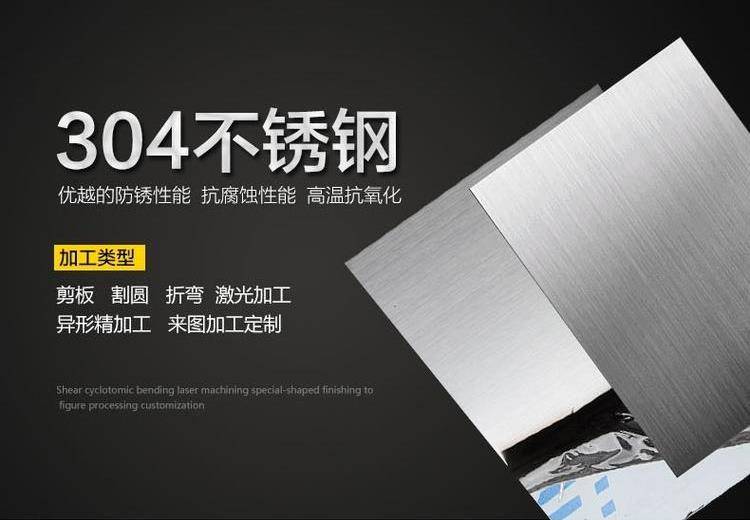
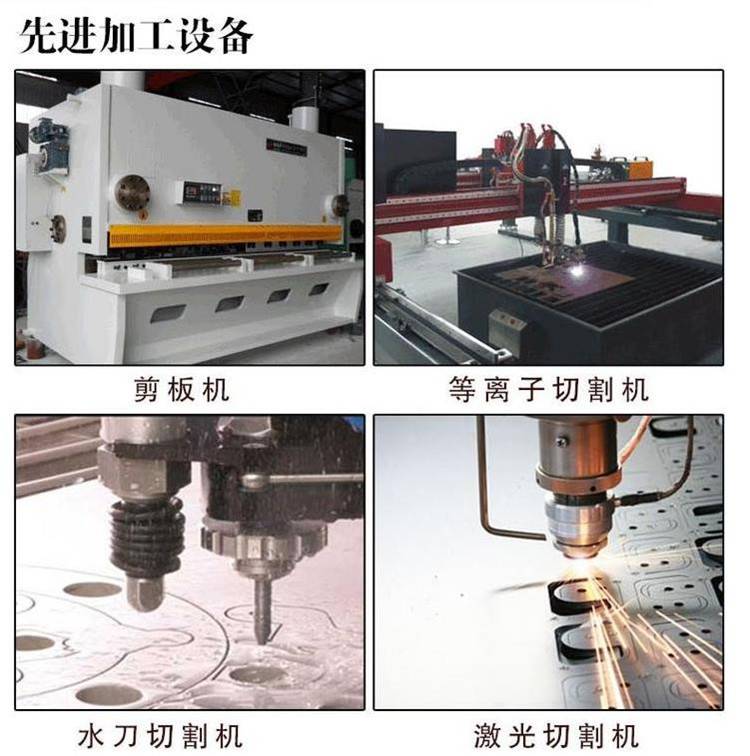
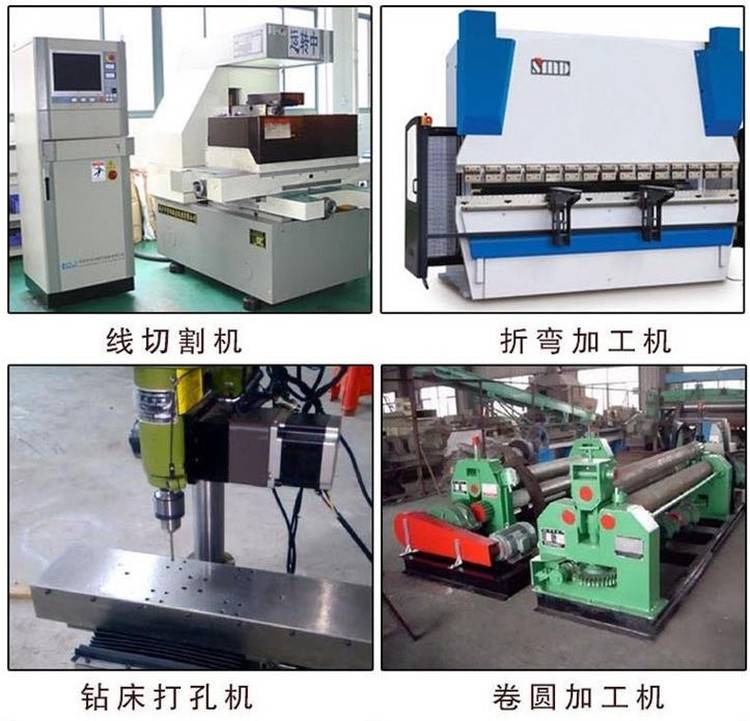
Processing: Sheets can be cut to any size; laser cutting, plasma cutting, water jet cutting; punching.
Primary materials include: 304 (0Cr18Ni9), 304L (00Cr19Ni10), 321 (1Cr18Ni9Ti), TP304, TP321 (0Cr18Ni10Ti), 316L (00Cr17Ni14Mo2), TP316L (0Cr17Ni12Mo2), 316ti (0Cr18Ni12Mo2Ti), 310S (0Cr25Ni20), 309S (0Cr23Ni13), 317 (0Cr19Ni13Mo3), 317L (00Cr19Ni13Mo3), 347 (0Cr18Ni11Nb), and 904L (00Cr20Ni25Mo4) various austenitic stainless steel plates.
To meet market demand, the company has introduced advanced stainless steel strip pressing equipment, along with polishing, sandblasting, and strip-cutting machinery, boasting a monthly production capacity of 200 tons of stainless steel rolled strips. We can produce stainless steel rolled strips in various thicknesses and widths according to customer requirements.
Rolled Hard Stock (0.03mm - 3mm) * (2mm - 1520mm) * C
Cut-to-length material (0.03mm-3mm) * (2mm-1520mm) * C
Sheet material: 0.09mm - 0.31mm
We will always repay your support with our products and services. Let's join hands to create a bright and glorious future together.