


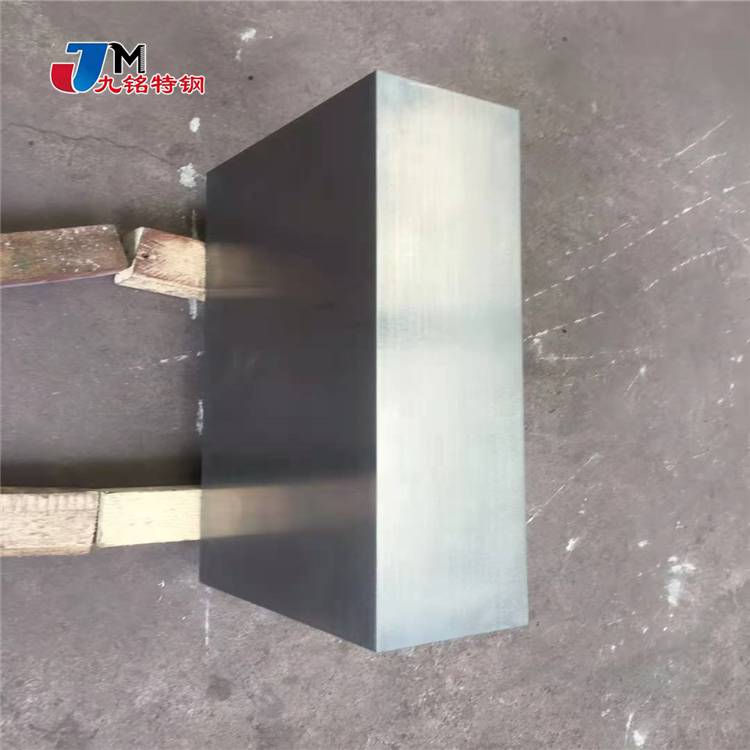
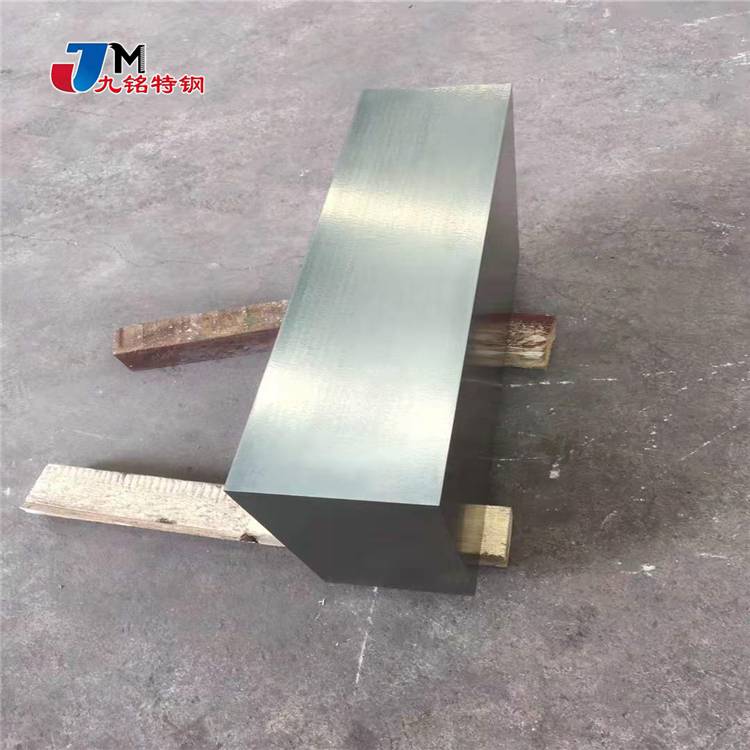
Custom-processed F51 Forged Ring, Austenitized F53 Forgings, F55 Forged Plate, F55 Bright Bar, F60 Forgings
F60 stainless steel is a duplex steel 2205, also known as S32205, commonly referred to as F60. The equivalent domestic grade is 00Cr22Ni5Mo3N.
In addition to Duplex Steel S32205, common grades include S31803 (also known as F51), S32750 (also known as F53), and S32760 (also known as F55).
31803 Chemical Composition: The chemical composition of Duplex Steel 2205 is quite similar, with only slight price differences. Therefore, Duplex Steel 2205 is generally used as a substitute for 31803 Duplex Steel, but the reverse is not possible.
Chemical Composition: C≤0.030, Mn≤2.00, Si≤1.00, P≤0.030, S≤0.020, Cr 22.0~23.0, Ni 4.5~6.5, Mo 3.0~3.5, N 0.14~0.20 (Austenitic-Ferritic type)
Nickel-based corrosion-resistant alloys generally possess an austenitic structure. In the solution and aging treatment states, there are still intermetallic phases and metal carbides present on the austenitic matrix and grain boundaries of the alloy. The various corrosion-resistant alloys are classified by composition and their characteristics are as follows:
Nickel-Copper alloys exhibit superior corrosion resistance in reducing media compared to nickel, and in oxidizing media, they outperform copper. Under anaerobic and oxidizing agent conditions, they are excellent materials for withstanding high-temperature fluorine, hydrogen fluoride, and hydrogen fluoride gases (see metal corrosion).
Ni-Cr alloys are also known as nickel-based heat-resistant alloys; primarily used under oxidizing medium conditions. They resist high-temperature oxidation and corrosion from sulfur, vanadium, and other gases, with their corrosion resistance increasing with the addition of chromium. These alloys also exhibit good resistance to corrosion by hydroxides (such as NaOH, KOH) and stress corrosion.
Ni-Mo alloy is primarily used under conditions of corrosive reduction media. It is a good alloy for resisting salt corrosion, but its corrosion resistance significantly decreases in the presence of oxygen and oxidizing agents.
The Ni-Cr-Mo(W) alloy combines the properties of both the Ni-Cr and Ni-Mo alloys. It is primarily used under oxidizing-reducing mixed media conditions. This type of alloy exhibits excellent corrosion resistance in high-temperature hydrogen fluoride gas, in salt solutions containing oxygen and oxidizing agents, in hydrofluoric acid solutions, and in wet chlorine gas at room temperature.
Ni-Cr-Mo-Cu alloy boasts both nitric acid and corrosion resistance, and also exhibits excellent corrosion resistance in some oxidizing-reducing mixed media.
Forged to Perfection, Superior Quality
The primary alloying elements are copper, chromium, and molybdenum. They offer excellent comprehensive properties, capable of withstanding various corrosions and stress corrosion. Nickel-copper (Ni-Cu) alloys, also known as Monel alloys (Ni 70 Cu30); in addition, there are nickel-chromium (Ni-Cr) alloys (which are nickel-based heat-resistant alloys and heat-resistant corrosion-resistant alloys in the corrosion-resistant alloys), nickel-molybdenum (Ni-Mo) alloys (mainly referring to the Hastelloy B series), and nickel-chromium-molybdenum (Ni-Cr-Mo) alloys (mainly referring to the Hastelloy C series). At the same time, pure nickel is also a typical representative of nickel-based corrosion-resistant alloys. These nickel-based corrosion-resistant alloys are mainly used for manufacturing components for various corrosive environments, such as in the oil, chemical, and power industries.


