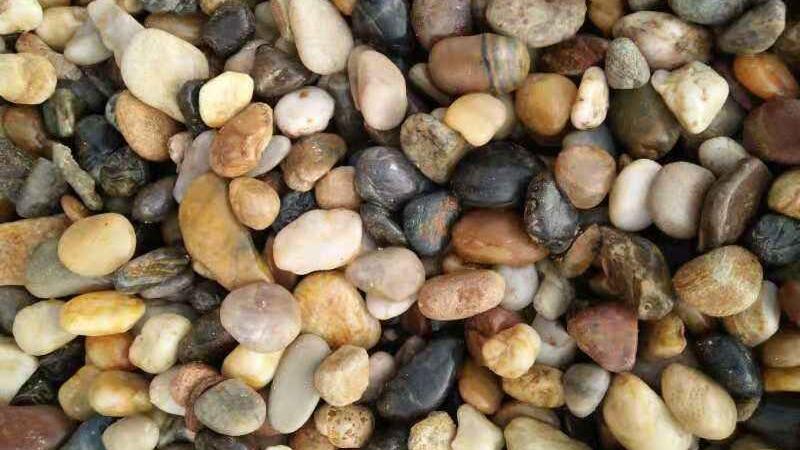

G卵stones are commonly used in our daily lives for paving roads. What are the precautions to take during their installation?
In Nanjing, before laying cobblestone paving, the subgrade must be thoroughly cleaned. If laying on natural soil in the yard, first dig away the topsoil to the desired height according to the design, and then compact it. For indoor paving, remove some of the original concrete, lay fine stone concrete, and smooth it out, typically 8 to 10 centimeters thick. For smaller areas, sand mortar can be used directly. When laying concrete on natural soil, pay attention to laying cement dry powder; the height should be about three-quarters of the thickness of the cobblestone, then smooth it out.
The process of laying cobblestone paths in Nanjing is quite crucial. You can arrange the cobblestones according to the pattern you desire. When placing them, insert about two-thirds of the thickness of the cobblestones into the dry cement mixture, ensuring a tighter spacing so the stones are nearly touching. If the gaps are too wide, the finished path will look unclear and unattractive. When placing the stones, maintain a level surface on the stone's surface. After laying the stones, gently sweep off the surface cement dust with a soft broom.
The key step in laying cobblestone paths in Nanjing is watering. The watering must be even and not excessive. This is to prevent washing away the cement dust on the stone surface and to provide moisture for the cement to set. Water slowly until the entire area is thoroughly damp and some water begins to overflow. If there is cement dust on individual stones, simply spray a little water and scrub it off with a wire brush.