

High-Liandong Greenhouse Method for Light Transmission Rate
I. Strategic Layout
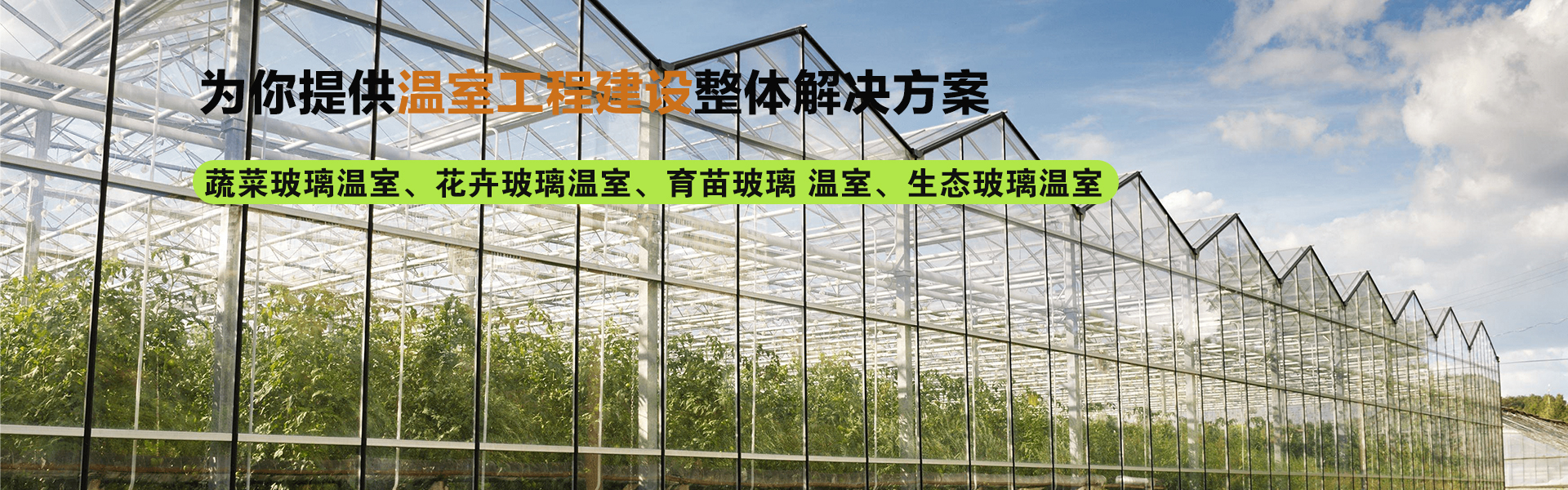
When cultivating various types of vegetables in multi-span glass greenhouses, adhere to the principle of "higher in the north and lower in the south" to ensure a staggered and orderly arrangement of plant heights, minimizing the occurrence of mutual shading. For transplanting the same type of vegetable, strive for uniform seedling sizes to promote uniform plant growth and reduce shading between plants. Additionally, it is preferable to orient the beds for planting from north to south to maximize sun exposure.
Maintain clean greenhouse film.
Water droplets, dust, and other debris on greenhouse film can reduce light transmission by about 30%. After 2, 10, and 15 days of use, the light intensity inside the greenhouse will decrease by 14%, 25%, and 28% respectively. Therefore, it is essential to regularly clean and wash away dust, dirt, and water droplets on the film surface to maintain its cleanliness and enhance transparency. During snowy days, it is also important to promptly clear away accumulated snow.
Section 3: Selection of Drip-Free Film
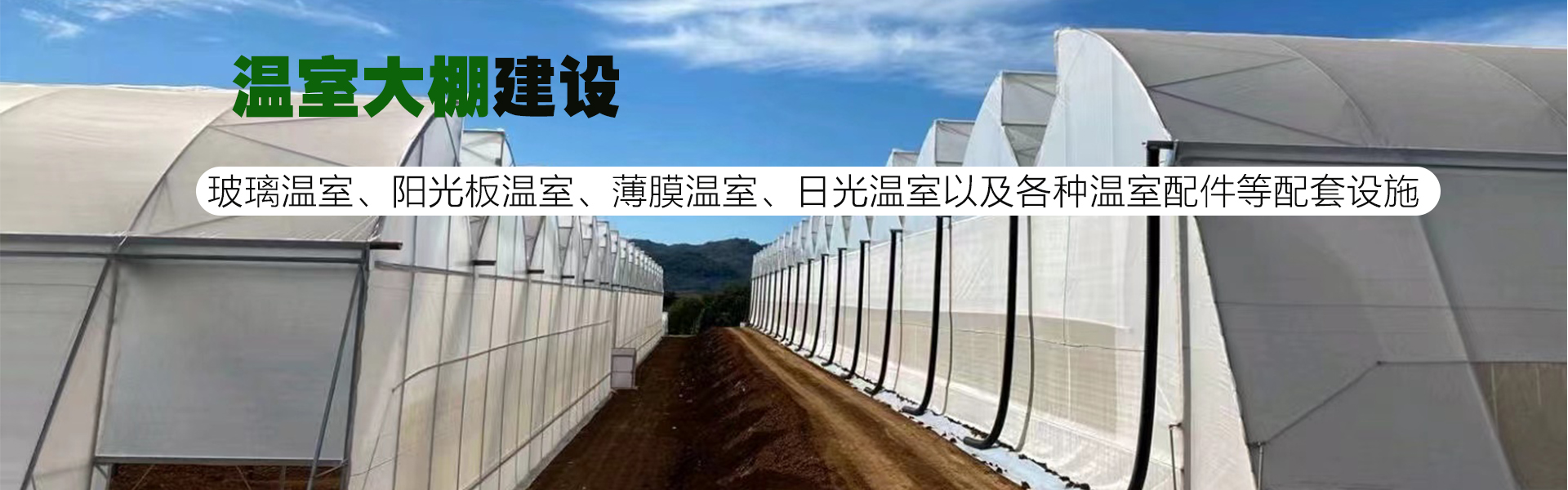
Dropless Film incorporates several active agents in its production formula, significantly reducing the affinity between water molecules and the film surface, allowing water droplets to roll off the film and onto the ground without forming. The use of dropless film for greenhouse construction can enhance light intensity within the multi-span glass greenhouse and raise the temperature inside the shed.
