
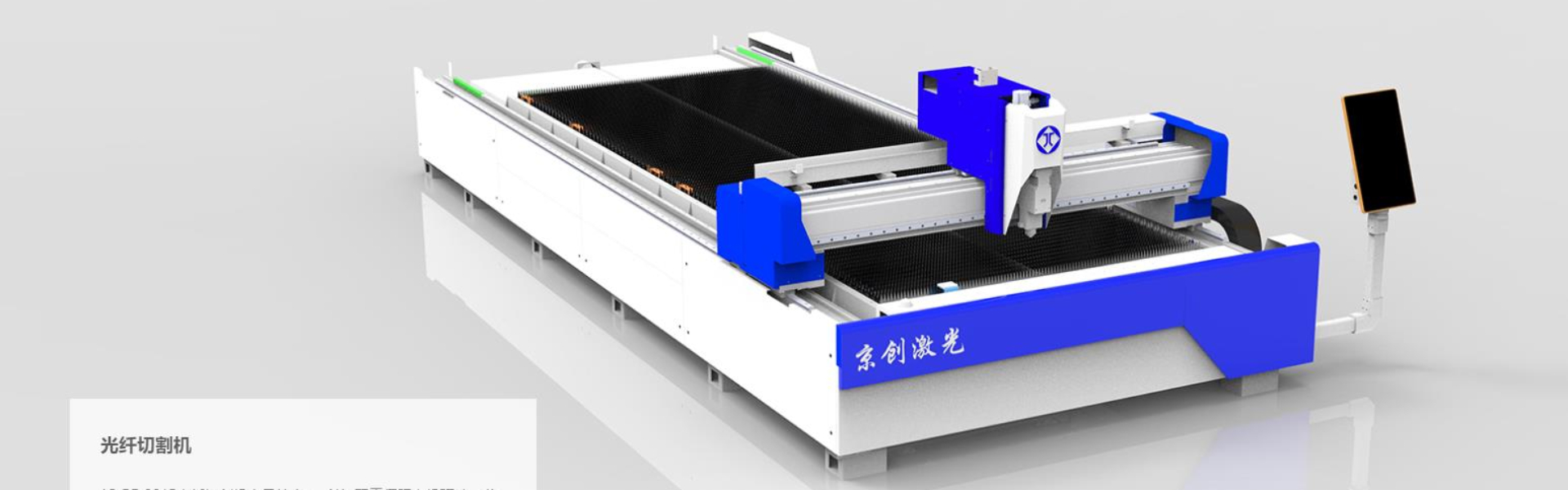

Common issues with laser cutting machines during the processing stage include the propensity to generate burrs. Typically, irregular metal parts such as sharp angles and burrs appear at transition points on the workpiece surface. However, this does not mean that burrs are acceptable, as they directly impact the dimensional accuracy, shape, and positional accuracy of the workpiece, as well as the surface roughness, lowering product quality and causing numerous issues with subsequent inspection, assembly, performance, and aesthetics. Therefore, the occurrence of burrs should be minimized as much as possible.
Is the quality issue with the laser cutting machine equipment to blame for the burr production?
Many businesses find that when using laser cutting machines for cutting, there's a significant amount of burrs on the workpieces, resulting in unsatisfactory quality, leading them to suspect a quality issue with the cutting machine. Is this the real reason? Not necessarily. In most cases, the appearance of burrs is not due to the machine's inherent quality problem, but rather to incorrect operation by the operator or inadequate maintenance of the cutting machine.
Moreover, another significant cause of burrs is the auxiliary gas issue. During laser cutting, the laser beam emits a high temperature onto the workpiece surface, causing evaporation and thus cutting through the metal. The role of the auxiliary gas is to blow away any residual slag from the workpiece surface after it has been irradiated by the laser and vaporized. Failure to do so would result in the formation of adherent burrs on the workpiece's cutting surface during cooling.
Next, let's summarize several common burr causes and their corresponding solutions to help you avoid issues with laser cutting burrs.
Common Causes and Solutions for Burrs
Reason one: The laser cutting machine produces an uneven focus deviation of the laser beam vertically, resulting in energy not being concentrated on the workpiece. This leads to non-vaporization of the workpiece, increased slag production, difficulty in blowing it away, and a higher likelihood of burrs.
Solution: Adjust the position of the laser beam focus, and modify it to an optimal state based on the offset.
Reason two: The laser cutting machine's output power is insufficient, resulting in the metal not being vaporized and producing a large amount of slag and burrs.
Solution: Verify that the laser cutting machine is functioning properly; if not, schedule timely maintenance and repairs. If it is, check if the output values are accurate.
Reason three: The laser cutting machine's slow cutting line speed compromised the surface quality of the cut, resulting in burrs.
Solution: Adjust and increase the cutting line speed promptly to reach the normal value.
Reason four: The purity of the auxiliary gas in the laser cutting machine cannot meet the required standards, which will also cause burrs on the workpiece.
Solution: Replace with high purity auxiliary gas.
Reason Five: The laser cutting machine's extended working hours lead to unstable operation of the equipment, which also results in burrs.
Solution: Turn off the laser cutting machine, allow it to rest for a while, and then restart and move it to ensure it gets adequate downtime.
