




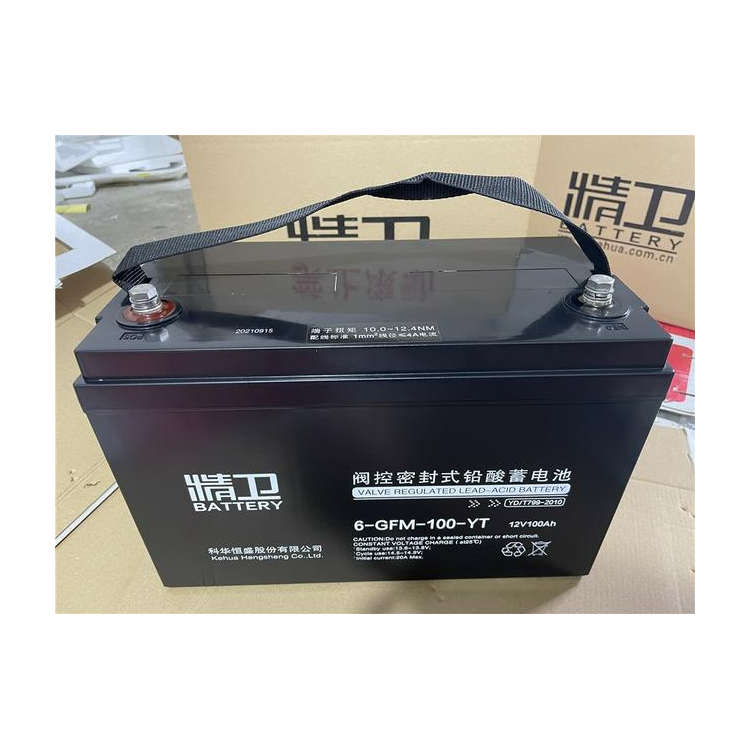
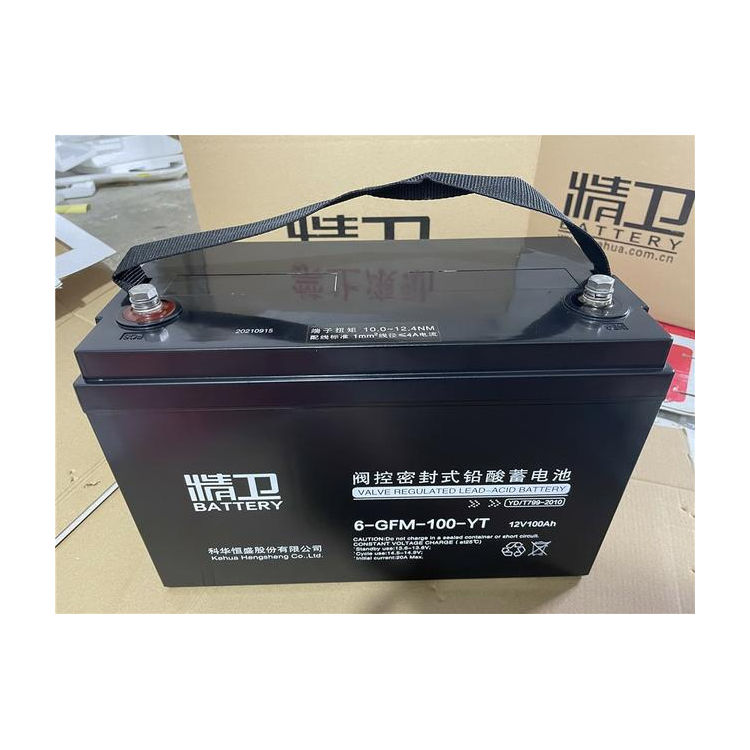
Maintenance-free batteries exhibit a self-discharge effect. From the production and manufacturing facility to the user, there is typically a delay of several months. For example, with lead-acid batteries, stored at 30℃ for 8 months, the remaining capacity is only half of the original. Therefore, for newly purchased batteries and those paired with UPS systems, a longer initial charging period is usually required, known as the initial charge. The initial charge current should be set at 0.1C. The battery can be recharged after the discharge is complete, which is called normal charging. Currently, two charging methods are commonly used in UPS systems: float charging and pulse charging. Float charging refers to the rectifier output being parallel to the battery while simultaneously supplying power to the load. Essentially, the rectifier provides current to two paths: one to the load and another to the battery to compensate for internal losses. The float charging method has simple wiring and is beneficial for improving the transient response characteristics of the UPS output. Pulse charging is characterized by the charging current varying with the battery capacity. This method can shorten the charging time.
1. Charging Voltage
The UPS battery operates in a backup mode, charging when the main power is normal and discharging only during power outages. To extend the battery's lifespan, the UPS charger typically controls charging with a constant voltage and current limiting method, switching to float charging once the battery is fully charged.
For batteries with a terminal voltage of 12V, the normal float voltage is between 13.5V and 13.8V. Low float voltage results in incomplete charging, while high float voltage can cause overvoltage charging. Overvoltage charging is deemed to occur when the float voltage exceeds 14V. It is strictly prohibited to overcharge battery packs, as overvoltage charging can cause the water in the electrolyte of the battery to electrolyze into hydrogen and oxygen, increasing the electrolyte concentration and shortening the battery's lifespan, even leading to damage.
2. Charging Current
Battery charging current is generally represented by "C", with the actual value of C related to the battery capacity. For instance, if the battery is 100Ah: C is 100A. The charging current for lead-acid maintenance-free batteries is about 0.1C, and it must never exceed 0.3C. Either too high or too low a charging current will affect the battery's lifespan.
The ideal charging current should be implemented using a staged constant current charging method, which involves using a higher current during the initial charging phase, then switching to a lower current after a certain period, and finally using an even smaller current towards the end of charging. The design of the charging current is typically 0.1C, and charging currents exceeding 0.3C are considered to be overcurrent charging. Avoid using rapid chargers, as they can place the battery in a "momentary overcurrent charging" and "momentary overvoltage charging" state, leading to a decrease in the available battery capacity and potentially damaging the battery. Overcurrent charging can cause the battery plates to bend, active material to fall off, reducing the battery's power supply capacity and, in severe cases, damaging the battery.
