
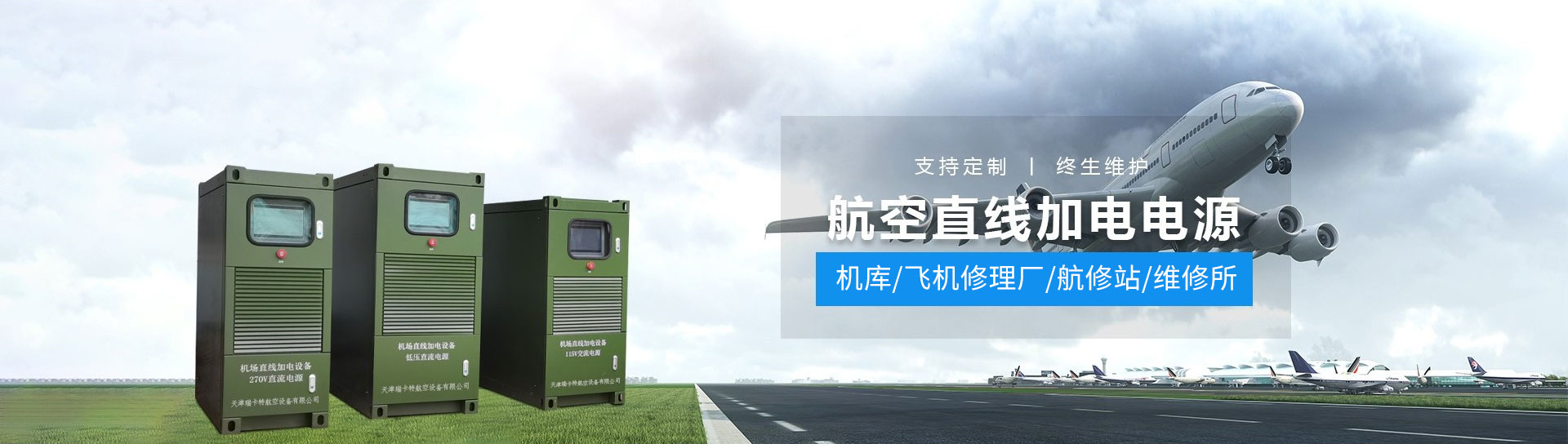


DC Voltage Regulators, also known as DC Stabilizers, are typically powered by AC voltage. They maintain a stable direct output voltage regardless of changes in AC supply voltage or load resistance. The parameters of a voltage regulator include voltage stability, ripple coefficient, and response speed. There are two types of DC voltage regulators: continuous conduction type and switching type. The former converts single-phase or three-phase AC voltage to an appropriate level using an industrial frequency transformer, rectifies and filters it to obtain an unstable DC power supply, and then stabilizes it to a constant voltage (or current) through a voltage stabilization circuit. This type of power supply has a simple circuit, low ripple, and minimal mutual interference, but it is large in size, consumes more materials, and has low efficiency (usually below 40% to 60%). The latter adjusts the output voltage by changing the on-off time ratio of the regulating element (or switch) to achieve voltage stabilization. These power supplies have low power consumption, with efficiency around 85%, but they have the drawbacks of high ripple and significant mutual interference. Aviation Ground Power: 2, 36V Aviation Power, 1, 400HZ Frequency Converter Power Supply, 7, 115/200V Power Supply, 2, 27V DC Power Supply, 5, 400HZ Power Supply, 12, Aviation Power Supply
Operationally, the categories are as follows: ① Controllable Rectification Type. Adjusts output voltage by timely changing the thyristor. ② Chopper Type. With unstable DC input voltage, a unidirectional pulsating DC is obtained by changing the on-off ratio of the switch circuit, and a stable DC voltage is obtained after filtering. ③ Inverter Type. Converts unstable DC voltage to high-frequency AC through an inverter, then performs voltage conversion, rectification, and filtering to sample a new DC output voltage, and feedback controls the inverter's operating frequency to achieve a stable DC output voltage. The stabilized DC power supply is widely used in: ① Institutions, industrial and mining enterprises, electrolysis, electroplating, DC motors, charging equipment, etc. ② Suitable for PCB aging, home appliance aging, IT product aging, CCFLs aging, and tube aging. ③ For aging and testing of electronic components that require automatic timing on and off, and automatic recording of cycle numbers. ④ Electrolytic capacitor pulse aging. ⑤ Resistor, relay, motor, and other component aging tests. ⑥ System aging; performance testing of electronic components, routine tests.
