
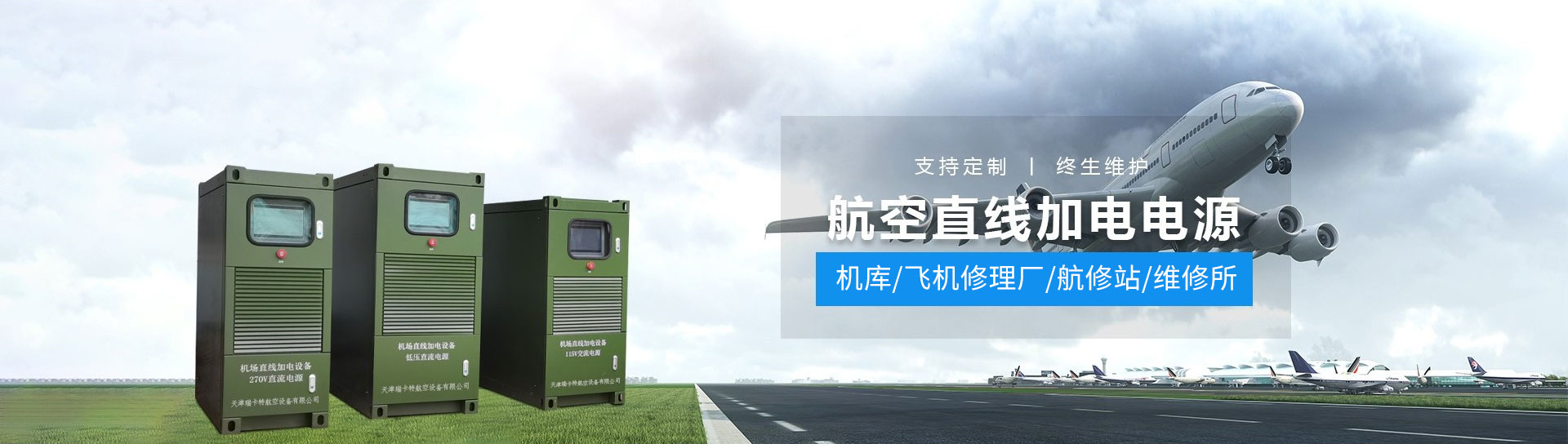


The DC voltage stabilizer, also known as a DC voltage regulator, typically receives AC voltage for its power supply. It maintains a stable direct output voltage regardless of changes in the AC supply voltage or the output load resistance. The parameters of the voltage stabilizer include voltage stability, ripple coefficient, and response speed.
Direct current (DC) voltage regulators come in two types: continuous conduction and switching types. The former uses a power frequency transformer to convert single-phase or three-phase AC voltage to an appropriate value, then rectifies and filters it to obtain an unstable DC power supply, which is further stabilized by a voltage regulation circuit to achieve a stable voltage (or current). This type of power supply circuit is simple, has low ripple, and minimal mutual interference, but it is large in size, consumes more materials, and has low efficiency (usually below 40% to 60%). The latter adjusts the output voltage by changing the on-off time ratio of the regulating element (or switch) to achieve voltage stabilization. This type of power supply has low power consumption, with an efficiency of about 85%, but it has the drawbacks of high ripple and significant mutual interference. Aviation ground power, 2; 36V aviation power, 1; 400Hz frequency converter power, 7; 115/200V power, 2; 27V DC power, 5; 400Hz power, 12; aviation power.
Operationally, the following types can be distinguished: ①可控整流型 - Adjusts output voltage by timely changing thyristors. ②Chopper Type - Utilizes an unstable DC voltage input, achieving unidirectional pulsating DC through varying the on-off ratio of the switch circuit, then filtering to obtain a stable DC voltage. ③Inverter Type - Converts unstable DC voltage to high-frequency AC via an inverter, followed by voltage conversion, rectification, and filtering to sample a new DC output voltage, with feedback control of the inverter's operating frequency to achieve a stable DC output. The stabilized DC power supply is widely used in: ①Industrial and mining enterprises, electroysis, electroplating, DC motors, charging equipment, etc. ②For PCB aging, home appliance aging, IT product aging, CCFLs aging, tube aging. ③For aging and testing of electronic components requiring automatic timing on/off and cycle counting. ④Electrolytic capacitor pulse aging. ⑤Resistor, relay, motor, etc., testing aging. ⑥Complete unit aging; performance testing of electronic components, routine tests.
