
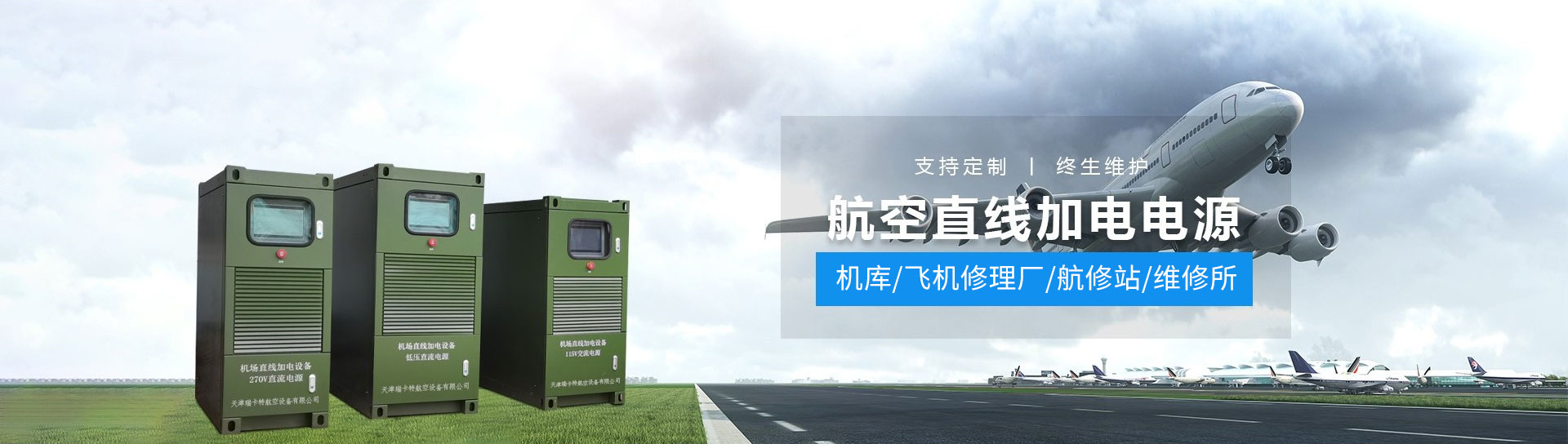


DC power has two electrodes, positive and negative, with the positive electrode having a higher potential and the negative electrode having a lower potential. When connected to a circuit, they maintain a constant potential difference between the circuit's ends, thus forming a current from the positive to the negative electrode. The difference in water levels alone cannot sustain a steady flow; however, by continuously pumping water from lower to higher levels using a pump, a constant water level difference can be maintained, resulting in a steady flow.
Direct current (DC) systems are employed in hydroelectric and thermal power plants, as well as various transformer stations. These systems primarily consist of battery banks, charging equipment, DC feeder screens, DC distribution cabinets, DC power monitoring devices, and DC branch feeders, forming a vast and widespread DC power supply network. This network ensures a safe and reliable power source for various sub-systems such as relay protection devices, circuit breakers, signaling systems, DC chargers, UPS, and communication systems.
The working principle is divided into two types: one uses household electricity to convert AC to DC, while the other uses DC power. Aviation ground power: 2, 36V aviation power; 1, 400HZ variable frequency power supply; 7, 115/200V power supply; 2, 27V DC power supply; 5, 400HZ power supply; 12, aviation power.
Upon the utility power passing through the input switch and being connected to the transformer, the voltage is converted to the designed level. It then enters the pre-regulation circuit, which serves to initially stabilize the required output voltage. Its purpose is to reduce the voltage drop across the input and output of high-power adjustment tubes, decrease their power consumption, and enhance the efficiency of the DC power supply. The pre-regulation power supply typically employs a silicon-controlled rectifier (SCR) for continuous phase shift adjustment, with a relay-switched transformer tap for voltage regulation. After passing through the pre-regulation power supply and filter ①, the voltage is relatively stable with minimal ripple. This DC power, controlled by the power adjustment tube in the control circuit, undergoes rapid topping up to achieve a stabilized DC voltage that meets the standard precision and performance. It is then filtered again by filter ② to obtain the desired output DC power. To achieve the desired output voltage or steady-state current values, we need to sample and detect the output voltage and current values and transmit them to the control/protection circuit. The control/protection circuit compares and analyzes the detected output voltage and current values with those set by the voltage/current setting circuit, driving the pre-regulation circuit and high-power adjustment tubes to output the set voltage and current values. Additionally, if the control/protection circuit detects abnormal voltage or current values, it activates the protection circuit to enter the protective state of the DC power supply.
Two AC input lines of direct current power supply pass through a switching device to output a single AC line (or just one AC input line), which powers various charging modules. The charging modules convert the incoming three-phase AC power to DC, charging the battery, and simultaneously supplying power to the busbar load. Additionally, the busbar is powered by a voltage reduction device (which may not be required in some design schemes) to supply power to the control busbar.
Each monitoring unit in the DC power system is managed and controlled by the master monitoring unit, with information collected by the monitoring units sent to the master unit for unified management via RS485 communication lines. The master monitoring unit can display various system information, and users can query system information and perform "four remote" functions through touch or button operations on the master monitoring display screen. System information can also be connected to a remote monitoring system through the master monitoring unit's higher-level communication interface. In addition to the integrated measurement basic units, the system can be configured with functional units such as insulation monitoring, battery patrol, and switch quantity monitoring to monitor the DC system.
