
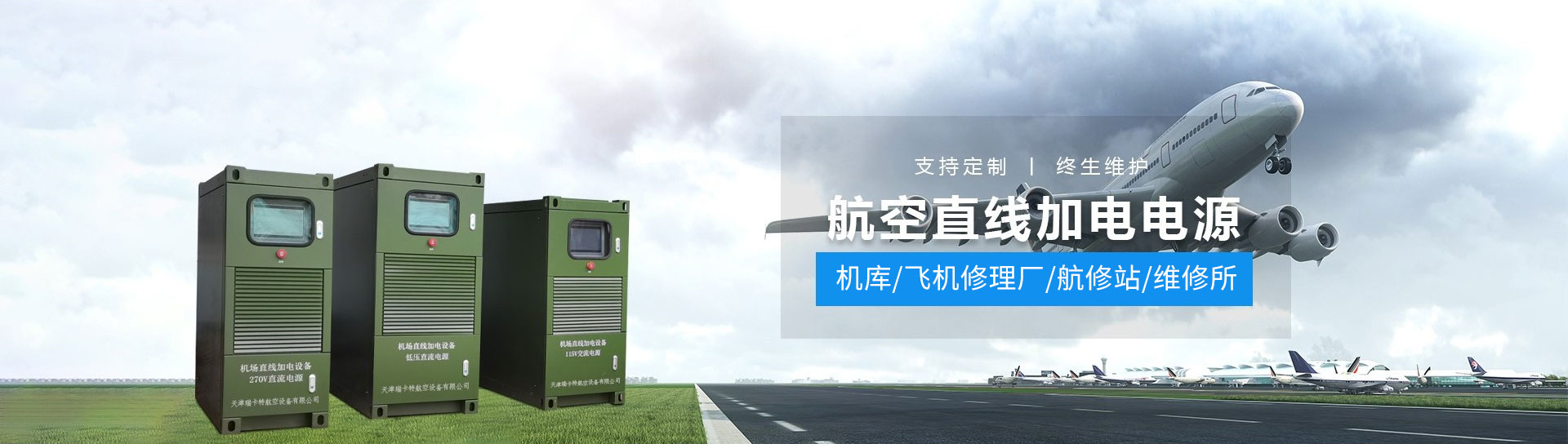


The field of DC switching power supply technology, a frequent area of interest, involves the concurrent development of related power electronic devices and switching frequency conversion techniques, mutually promoting and driving the annual growth rate of DC switching power supplies to exceed two digits, moving towards lightweight, compact, slim, low-noise, high-reliability, and anti-interference directions. DC switching power supplies can generally be categorized into isolated and non-isolated types, with isolated types necessarily including a switching transformer, while non-isolated types may not. They are mainly divided into AC/DC and DC/DC categories, with DC/DC converters now being modularized. The design technology and production processes have matured and standardized both domestically and internationally, and have gained user recognition. However, the modularization of AC/DC converters encounters more complex technical and manufacturing issues due to their inherent characteristics. Avionics Ground Power: 2 units, 36V Avionics Power: 1 unit, 400HZ Frequency Conversion Power Supply: 7 units, 115/200V Power: 2 units, 27V DC Power: 5 units, 400HZ Power: 12 units, Avionics Power Supply
AC/DC conversion involves transforming alternating current (AC) into direct current (DC), with power flow capable of being bidirectional. Power flow from the power source to the load is termed "rectification," while power flow from the load back to the power source is known as "active inversion." AC/DC converters receive AC power at 50/60 Hz, necessitating rectification and filtering, which in turn makes relatively large filter capacitors indispensable. Additionally, due to safety standards (such as UL, CCEE) and electromagnetic compatibility (EMC) directives (such as IEC, FCC, CSA), the AC input side must incorporate EMC filtering and utilize components that meet safety standards, thereby limiting the miniaturization of AC/DC power supplies. Furthermore, internal high-frequency, high-voltage, and high-current switching actions increase the difficulty of addressing EMC electromagnetic compatibility issues, demanding highly dense internal circuit design. For the same reason, high-voltage and high-current switches result in increased power consumption during operation, limiting the modularization process of AC/DC converters. Therefore, it is essential to employ optimized power system design methods to achieve a satisfactory level of efficiency.
The AC/DC conversion can be categorized based on the circuit wiring method into: half-wave circuit, full-wave circuit. It can be divided into single-phase, three-phase, and multi-phase based on the number of power phases. Additionally, it can be further classified by the quadrant of circuit operation: first quadrant, second quadrant, third quadrant, and fourth quadrant.
