
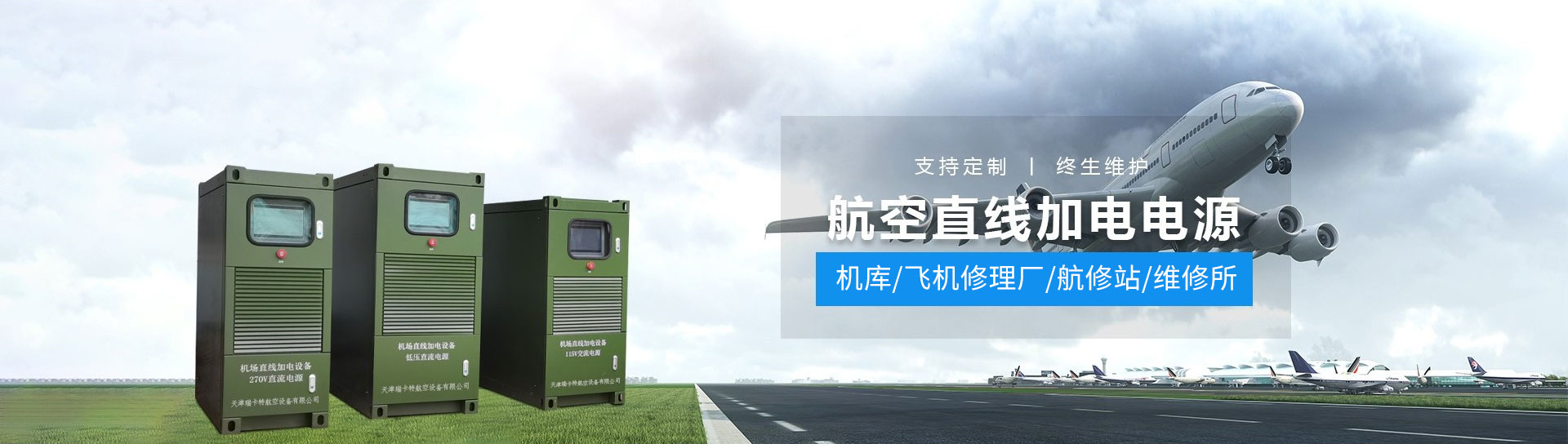


1. Voltage Stabilizer: Designed for unstable voltage conditions, it primarily serves as a protective measure for backend equipment, offering comprehensive protection features. Generally, large-scale UPS systems also require a voltage bypass system. The voltage stabilizer's application range is quite extensive, suitable for almost any electrical need where voltage instability is a concern. For households with computers and televisions, a high-precision, fully automatic voltage stabilizer, known as an SVC AC voltage stabilizer in the market, is sufficient and quite affordable. For industrial use, a high-power AC voltage stabilizer is recommended, simple, practical, and convenient. We have provided a thorough introduction and explanation of both UPS and voltage stabilizers, hoping this information will be helpful in understanding stabilizers and UPS systems, allowing for easy differentiation and better usage in your daily life. 2. Aviation Ground Power Supply, 36V Aviation Power Supply, 400HZ Frequency Converter Power Supply, 115/200V Power Supply, 27V DC Power Supply, 400HZ Power Supply
2. UPS power supplies are categorized into backup, online, and online interactive types. The backup type commonly found in computers is an emergency power supply, utilizing full voltage regulation technology with a wide input voltage range (160V~280V) and capable of connecting to generator grids. The power devices used in the inverter circuit have strong load-bearing capabilities and feature short-circuit protection during inversion. The charging circuit employs advanced constant current float charging, extending battery life, and includes an internal lead-acid maintenance-free battery for easy use. This unit boasts excellent load compatibility, suitable for home computers, small office environments, small communication switches, small network equipment, commercial PC workstations, and their peripherals. Online UPS: During operation, the online UPS first converts AC power to DC for charging the UPS battery, while the inverter converts this DC to AC to power the load. Since the AC power undergoes conversion from AC to DC and then back to AC, the original interference and pulse voltage components in the AC power are filtered out, resulting in a very stable output voltage from the online UPS. The benefits of high-frequency UPS include compact size, light weight, and high efficiency, but its drawback is poor overload and surge resistance. Online Interactive UPS: It has superior electrical characteristics, completely eliminating any effects of voltage fluctuations, waveform distortion, frequency fluctuations, and interference from the AC power supply. Compared to other types of UPS, this model can provide stable frequency and voltage power supply to the load, offering a significant advantage in power quality. Therefore, it is widely used, but the rectifier in operation can degrade the input power quality, necessitating harmonic mitigation measures. Additionally, it is relatively expensive.
