
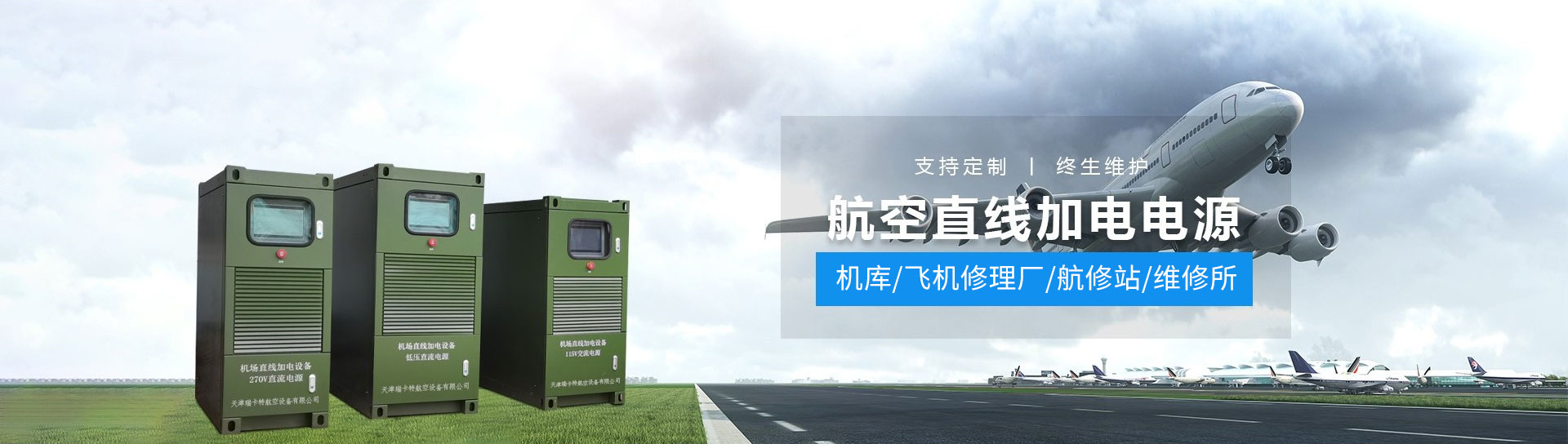


During power outages, high-power high-voltage power supplies convert stored electrical energy from batteries to provide continuous power to the load. Generally speaking, the standard UPS, which we refer to as the "standard unit," is equipped with an internal battery and can typically continue to supply power for several to several dozen minutes after a power failure. In contrast, the long-life high-power high-voltage power supply, known as the "long-life unit," is equipped with an external battery pack to meet the user's need for continuous power during extended outages. The full-load configuration of a long-life high-power high-voltage power supply can last for several hours, even several dozen hours or more. Aviation Power Supply
Typically, the backup time of general long-lasting UPS systems is limited by factors such as battery capacity, installation space, and battery recharge time. In regions with poor power conditions and frequent power outages, a combination of high-power, high-voltage power sources and generators is commonly used for power supply. During power outages, the high-power, high-voltage power source is initially powered by the battery for a period. If the outage lasts longer, a backup generator can be started to continue supplying power to the high-power, high-voltage source. When the city power is restored, the supply is switched back to city power. The discharge current of the high-voltage power source battery can be calculated using this formula: Discharge Current = High-Power High-Voltage Power Source Capacity (VA) × Power Factor / (Battery Discharge Average Voltage × Efficiency). To calculate the battery discharge time under actual load, simply replace the high-power, high-voltage power source capacity with the actual load capacity. 400HZ Power Supply
