
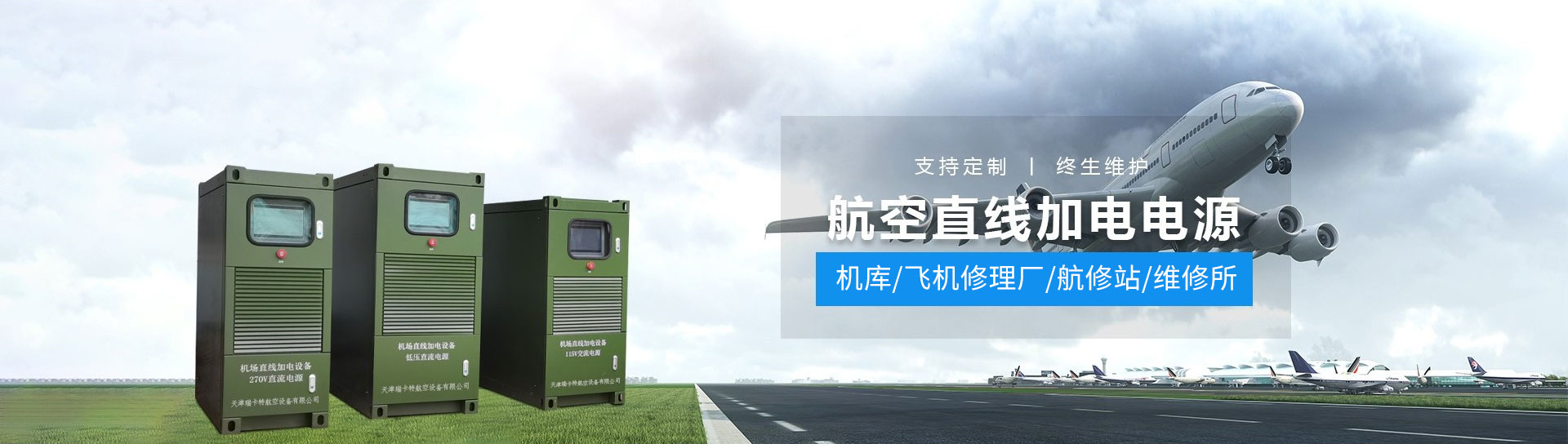


Direct current (DC) power supplies are energy conversion installations that convert other forms of energy into electrical energy to supply circuits, maintaining a steady flow of current. The difference in water levels alone cannot sustain a steady water flow; however, by continuously pumping water from a lower to a higher level using a pump, a certain water level difference can be maintained, thereby creating a steady water flow.
Direct current (DC) power sources are installations that maintain a constant voltage and current in electrical circuits. Examples include dry cells, lead-acid batteries, and DC generators. DC power sources have two electrodes, a positive one with a higher potential and a negative one with a lower potential. When these electrodes are connected to a circuit, they maintain a constant potential difference between the circuit's ends, thus forming a current that flows from the positive to the negative electrode in the external circuit.
Similarly, a static electric field generated solely by charge cannot sustain a steady current. However, with the aid of a direct current power source, non-static forces (referred to as "non-static forces") can be utilized to move positive charges from the negative pole with lower potential back to the positive pole with higher potential through the internal circuit of the power source. This maintains the potential difference between the two electrodes, thereby forming a steady current.
The non-electrostatic force in a DC power supply points from the negative to the positive pole. When a DC power supply is connected to an external circuit, due to the push of the electric field, an electric current is formed from the positive to the negative pole in the external circuit (external circuit). Within the power supply (internal circuit), the action of the non-electrostatic force causes the current to flow from the negative to the positive pole, thereby forming a closed loop of charge activity.
