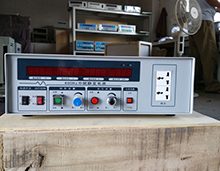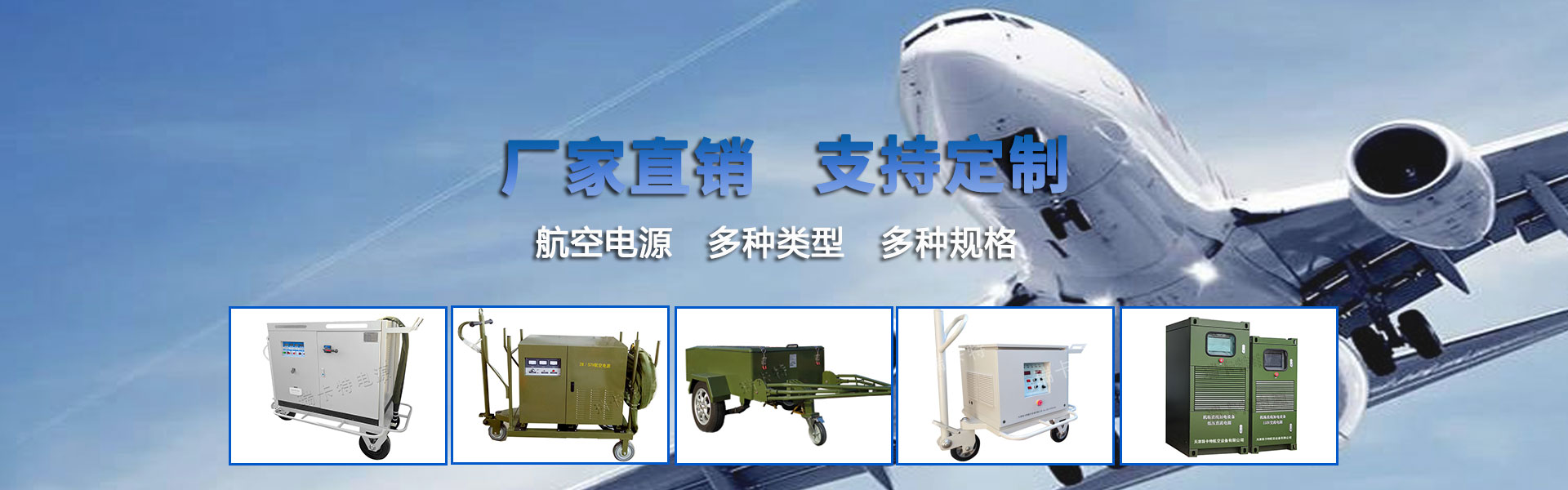


In industrial production, you often see the presence of a high-voltage DC regulated power supply, which offers a continuous adjustable voltage and current range from zero to its rated value. It features automatic switching between constant voltage and constant current, and the ability to select protective power as well as displaying both voltage and current simultaneously.
Inverter circuits typically input direct current (DC) voltage, as photovoltaic power generation produces DC electricity through solar cell arrays. Therefore, the input circuit includes relevant filtering circuits. The output circuit generally incorporates filtering to minimize the impact of the inverter circuit on the load.
The auxiliary circuit converts the high-voltage DC input voltage into the DC working voltage required by the control circuit. The protection circuit features overvoltage, undervoltage, overload, and short-circuit protection functions. Additionally, the inverter main circuit is crucial in the high-voltage DC stabilized power supply.
The inverter main circuit consists of inverter power switches and other components, typically divided into two types: isolated and non-isolated. These components form several major parts to create a complete power supply circuit. The actual circuit is composed of various electronic components to achieve intelligent control of a high-voltage DC stabilized power supply.