
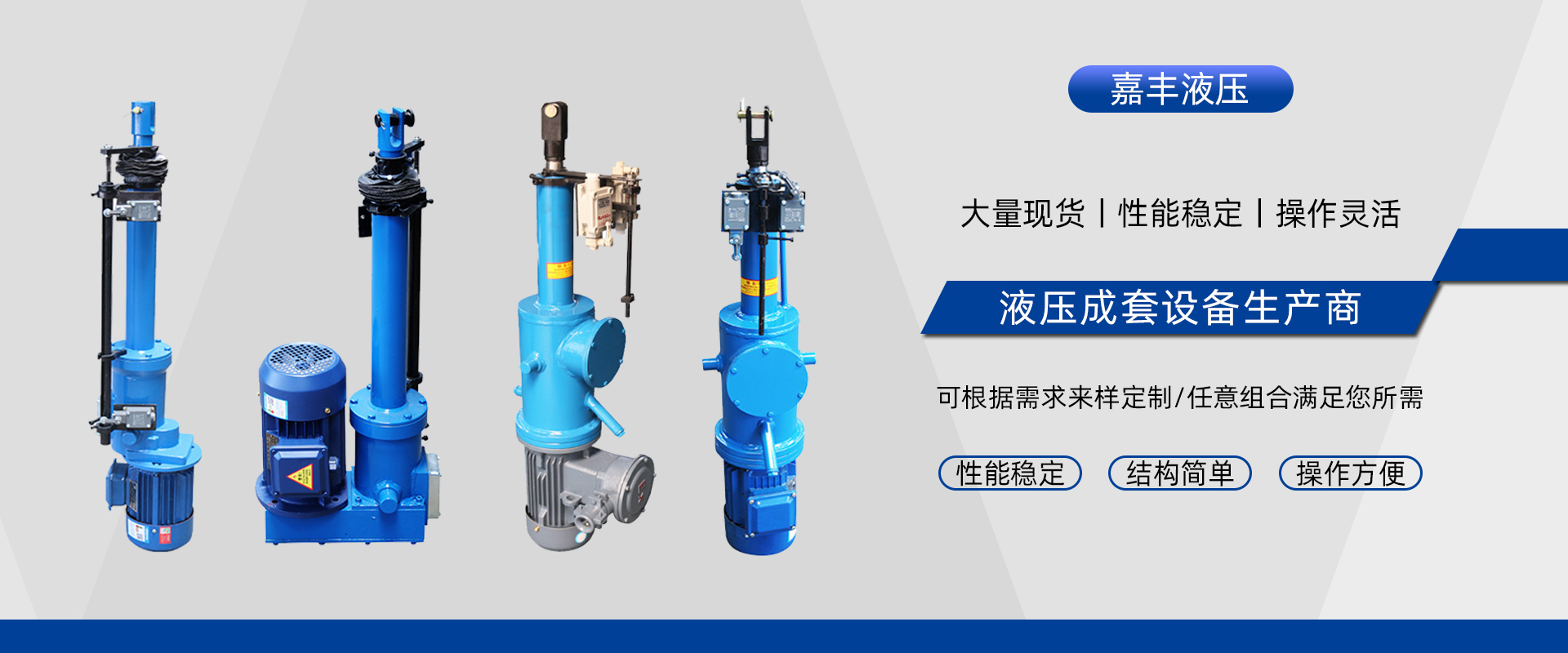
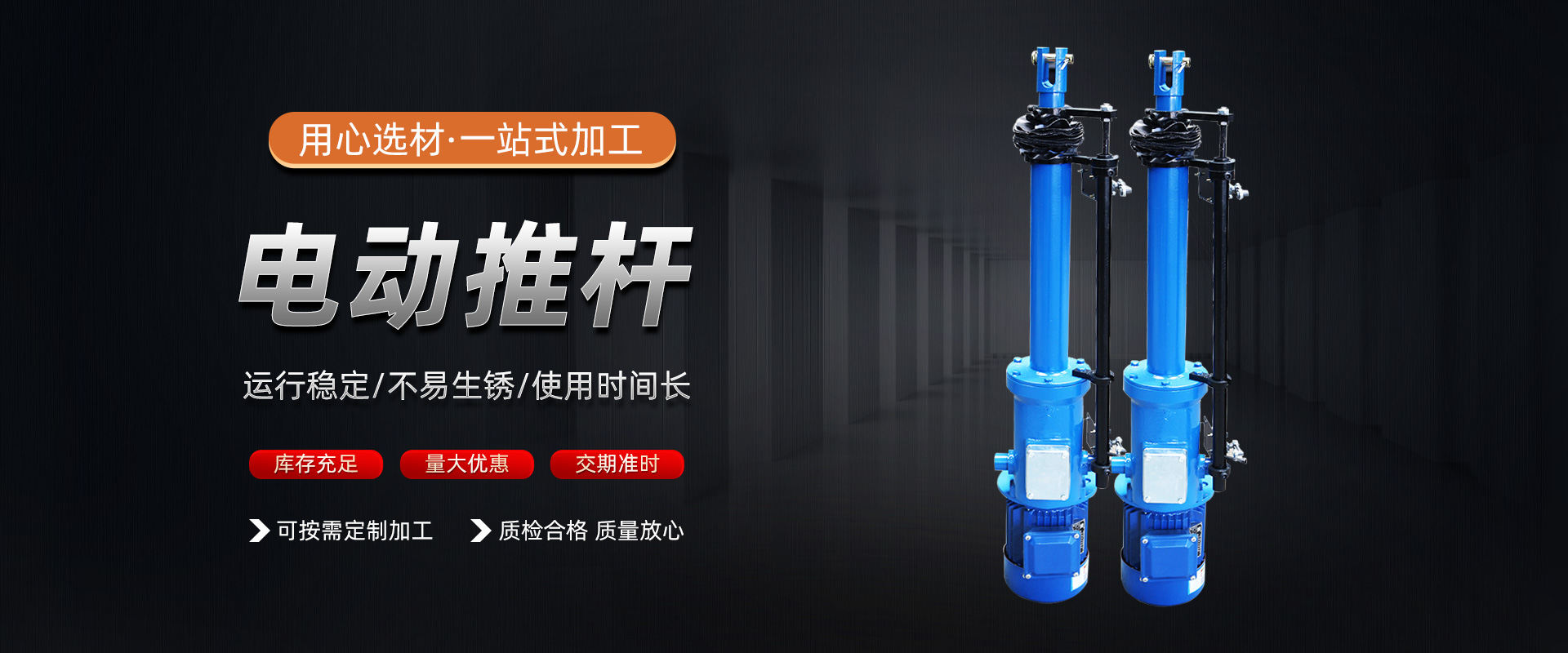

Electromagnetic actuators can be used as executing mechanisms in both simple and complex process flows, enabling remote, centralized, and automatic control in applications such as traffic, machinery, metallurgy, chemicals, and cranes, etc. Common uses include cranes, valves, gates, and more. What should be noted when using small electromagnetic actuators? Let's find out together!
An electric actuator is a power-driven device that converts the rotational motion of an electric motor into a linear reciprocating motion of the push rod. On uneven contact surfaces, small electric actuators exert pressure, which is consistent with the direction of the push rod's motion. The greater the angle of the push rod, the greater the pressure it needs to bear. Therefore, reducing the angle of the push rod as much as possible can improve efficiency and minimize energy loss due to movement friction.
During the design process, attention should be paid to the pressure of the small electric push rod: the entire supporting structure of the small electric push rod must be reasonable to bear greater loads with a smaller movement path, and suitable materials should be selected based on the application. Aluminum alloy, with its strong toughness, is suitable for areas with frequent instantaneous motion frequencies.
