
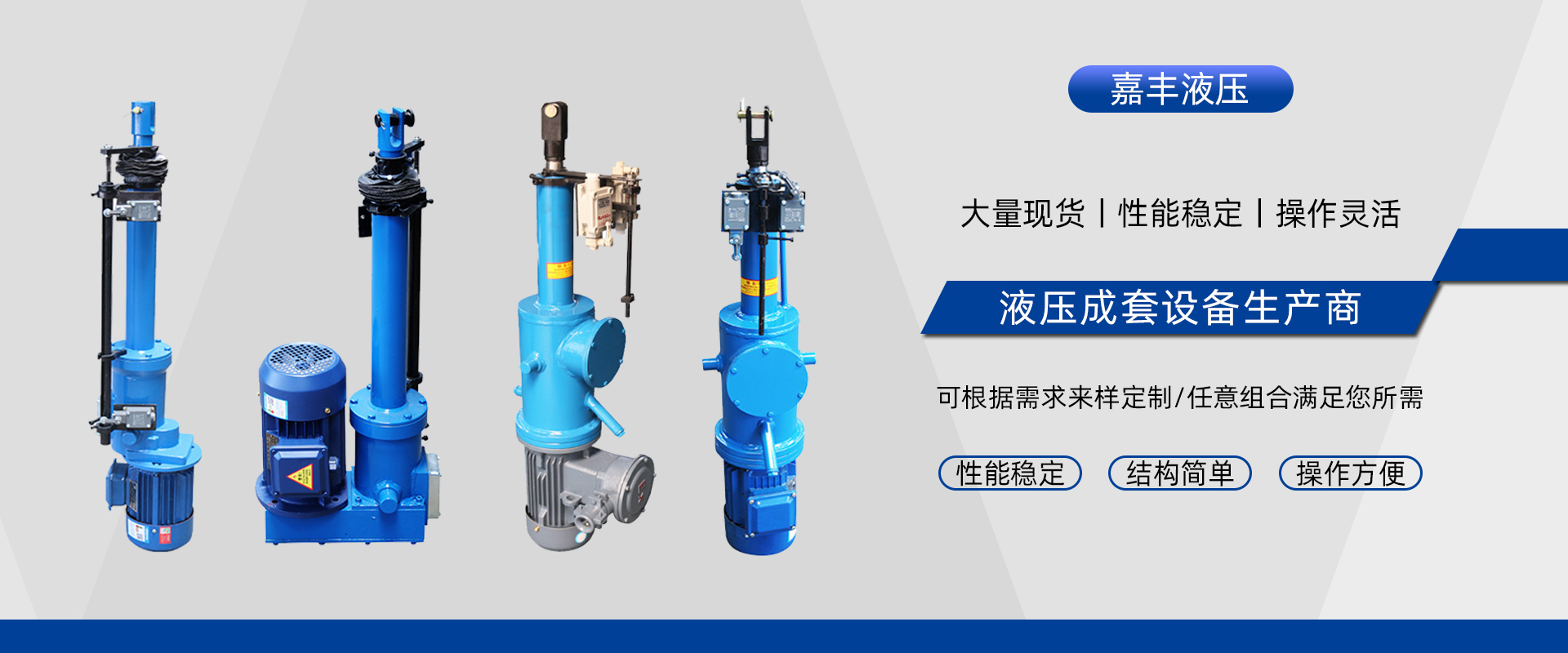
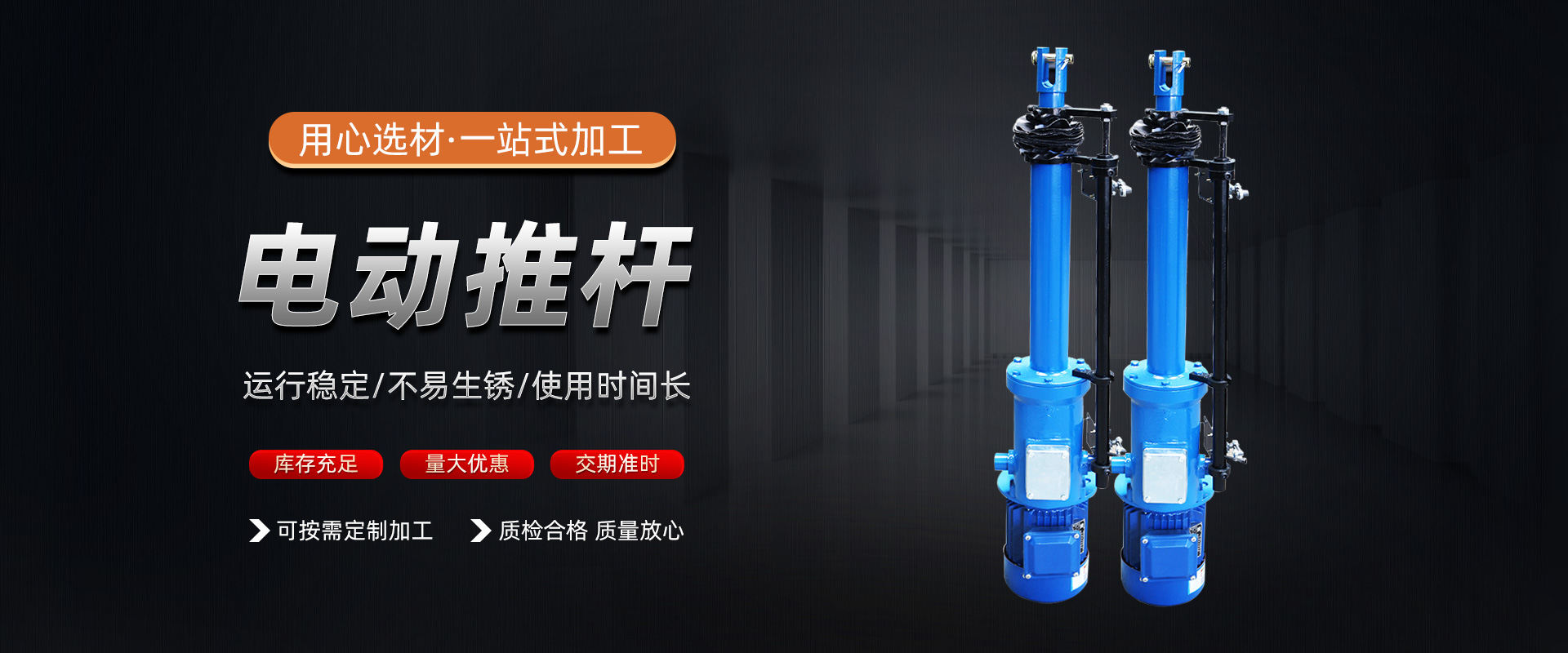

An electric actuator is a mechanical device that achieves linear motion through motor-driven power, widely used in industries, agriculture, healthcare, and household applications. Its basic structure includes a motor, gears, guide rails, and a push rod, converting electrical energy to drive the push rod for smooth and precise linear motion, suitable for various scenarios requiring linear drive. Compared to traditional hydraulic and pneumatic equipment, electric actuators do not require complex piping and oil, offering advantages such as ease of operation and environmental friendliness.
Core Feature: Enhancing Efficiency
Precision Control Enhances Production Accuracy
Electromagnetic actuators are equipped with an intelligent control system that allows for the adjustment of the actuator's movement distance, speed, and direction through digital signals. This precise control capability is particularly important in scenarios requiring high-precision operations, such as bed adjustment in medical equipment and product sorting in industrial automation. Compared to traditional mechanical equipment, electromagnetic actuators can effectively prevent production losses caused by operational errors, thereby enhancing overall efficiency.
Modular design for easy installation and maintenance
The modern electric push rod features a modular design with high integration and ease of installation. This not only reduces the initial investment for enterprises but also simplifies the difficulty of later maintenance. In cases of replacement or repair, operators only need to replace the damaged parts, without the need for complex disassembly, significantly shortening downtime and helping enterprises quickly resume production.
Versatile and Flexible for Multiple Applications
The electric actuator supports various installation methods, easily adapting to different working environments. Whether horizontally, vertically, or inclined, it operates stably. For instance, in the home sector, the electric actuator can adjust the height of a lift table; in agricultural machinery, it can be used for opening and closing the seed drill's mechanism.
Comparison Advantages Over Traditional Equipment
Electric actuators demonstrate a multifaceted competitive edge over hydraulic and pneumatic devices.
Environmental Efficiency: Electric actuators eliminate the need for hydraulic oil or compressed air, thus preventing energy waste and potential pollution issues.
Lower Noise: Thanks to advancements in motor technology, electric actuators operate with reduced noise, making them more suitable for environments that demand high levels of acoustic tranquility.
Low Maintenance Costs: Traditional equipment often requires regular replacement of hydraulic oil or maintenance of the pneumatic system, while electric actuators only need a basic electrical inspection, significantly reducing maintenance costs compared to other equipment.
How Electric Push Rods Can Help Businesses Optimize Processes
In the wave of industrial automation, many companies face the challenge of improving production efficiency and reducing costs. The electric push rod is the solution to this challenge:
On the production line, electric push rods can automate tasks such as pushing and transporting workpieces, saving labor costs.
In the warehouse system, electric push rods can be used to adjust shelf heights, enhancing space utilization; during the assembly process, the precision of the electric push rods allows for more efficient execution of complex procedures.
The continuous advancement of technology will further expand the application scope of electric actuators, creating more value for businesses.
