

1. Flexible and adaptable: Due to the higher density and wider distribution of the road transportation network compared to rail and waterway networks, road transport vehicles can be found "everywhere and at all times." Road transport also offers significant flexibility in terms of scheduling, as vehicles can be deployed and loaded at any time, with minimal connection times between stages. Especially, road transport is highly adaptable to varying passenger and cargo volumes, with truck payloads ranging from small (about 0.25t to 1t) to large (about 200t to 300t), allowing for individual vehicle transportation or by forming convoys with multiple vehicles simultaneously. This is particularly crucial for emergency response and relief transportation.
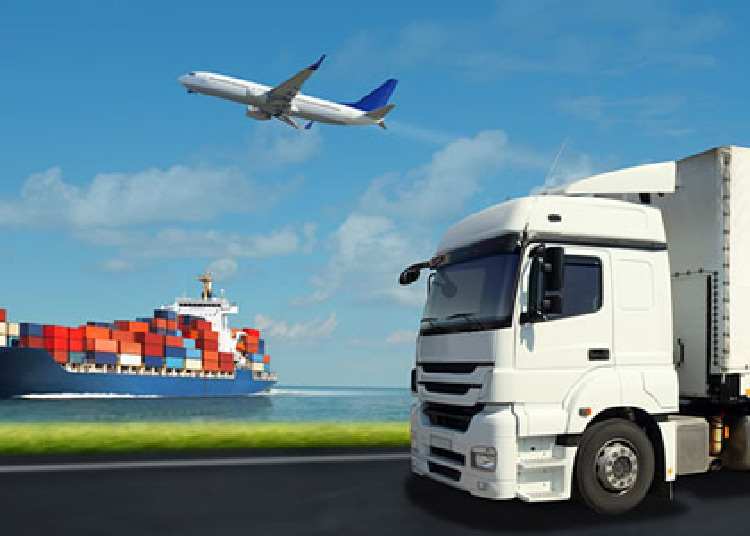
2. Achieves "Door-to-Door" Direct Transportation: Due to its compact size, the vehicle typically does not require reloading en route. In addition to operating on a widespread road network, it can also venture off the grid into factories, rural fields, and urban residential areas, allowing for direct transport of passengers and goods from the origin's doorstep to the destination's doorstep. This "Door-to-Door" direct transportation is a unique feature that cannot be matched by other modes of transport.
3. In medium and short-haul transportation, faster delivery speeds are achieved: In medium and short-haul transportation, due to the direct "door-to-door" delivery capability of road transportation, there is no need for transshipment or transfers. Goods and passengers can be delivered directly to their destination without any detours, resulting in shorter transit times and faster delivery speeds compared to other modes of transportation.
4. Low initial investment, quick capital turnover: Compared to road, rail, water, and maritime transportation, road transportation requires simpler fixed facilities and generally lower vehicle acquisition costs. As a result, it is easier to invest in and has a shorter payback period. According to relevant data, under normal operating conditions, road transportation investments can be turned over 1 to 3 times per year, whereas rail transportation requires 3 to 4 years for a single turnover.
5. Mastering Vehicle Driving Skills is Easier: Compared to the training requirements for train drivers or pilots, mastering car driving skills is relatively straightforward, and the requirements for drivers' overall qualities are also relatively low.
6. Lower volume, higher transportation costs: Currently, the world's largest truck is the mining dump truck produced by General Motors in the United States, measuring over 20 meters long and weighing 610 tons, with a carrying capacity of approximately 350 tons. However, it is still much smaller than trains and ships; due to its lower carrying capacity, the driving resistance is 9 to 14 times greater than that of railroads, and the fuel consumed is more expensive liquid gasoline or diesel. Therefore, besides air transportation, truck transportation has the highest costs.
7. Poor Operation Continuity: According to relevant statistical data, among various modern modes of transportation, the average road transportation distance is the shortest, indicating poor operation continuity. For instance, in China in 1998, the average road transportation distance for passenger transport was 55km, and for cargo transport, it was 57km, while for rail passenger transport, it was 395km, and for cargo transport, it was 764km.
8. Low Safety, Significant Environmental Pollution: Historical records indicate that since the birth of the automobile, over 30 million lives have been claimed. Particularly since the 1990s, the number of deaths from car accidents has skyrocketed, averaging over 500,000 annually. This figure exceeds the annual death toll from AIDS, war, and tuberculosis. The exhaust emissions and noise produced by cars also pose a severe threat to human health, making them one of the largest sources of pollution in urban environments.
