
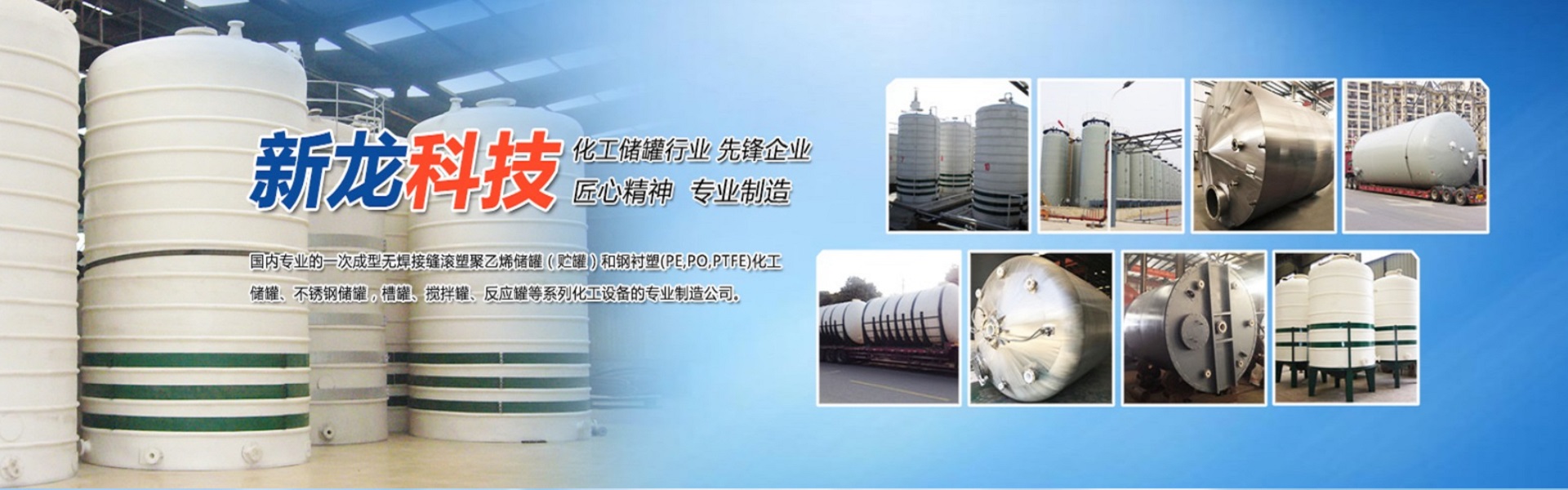
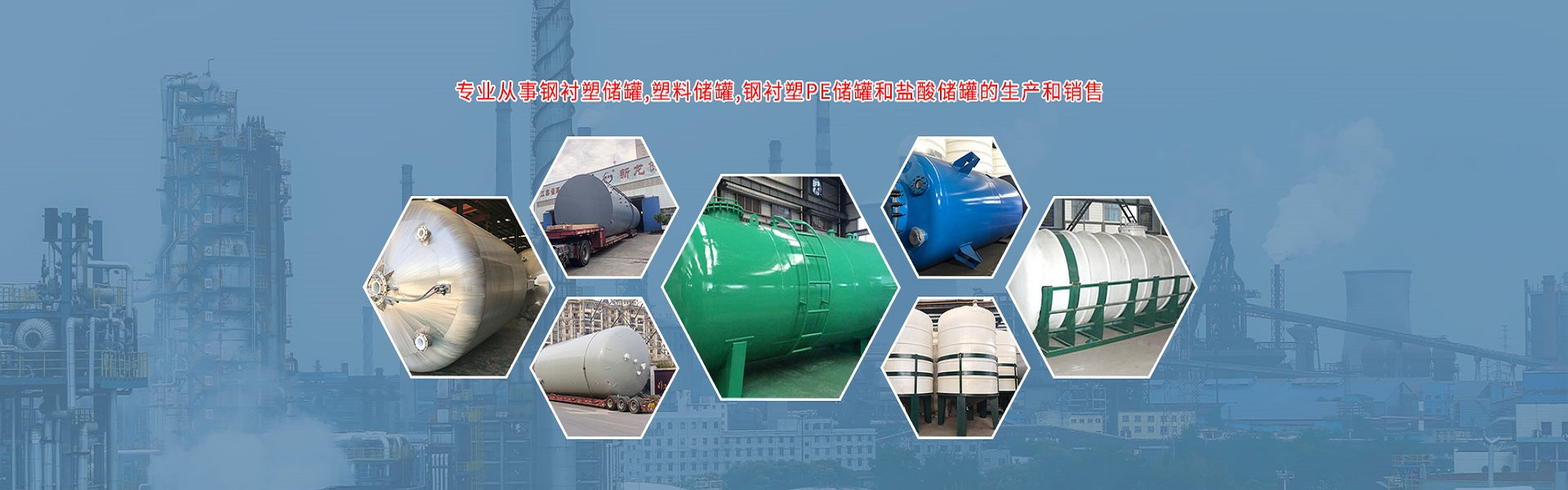


The steel-plastic PE reaction tank employs advanced rotational molding technology and can utilize a series of integrated heat-rolled paint wire mesh products made from steel-plastic pipes, including ST/PE, ST/PO, ST/PP, and ST/PPS. It is a new type of pipeline transportation engineering product that introduces the overseas advanced heat melting rotational lining technology. Based on carbon steel and stainless steel plates, it combines heat-resistant plastics with excellent chemical resistance with the steel substrate, offering good bonding strength, resistance to negative pressure, steel strength, and plastic corrosion resistance.
It boasts wear and corrosion resistance, making it suitable for transporting corrosive materials, liquids, and solid slurry media, without causing any toxic or adverse effects on the substances being conveyed. It can be widely used in chemical plants, power engineering, textile industry, drinking water supply, and wastewater treatment fields. Fittings, elbows, tees, crosses, elevated tanks, and non-standard components can be custom-made upon request.
Operating Temperature: Isoprene rubber types (PO, PE, PP): -40℃ to 85℃. Polyphenylene sulfide (PPS): -60℃ to 120℃. Pressure: Positive pressure: 5Kpa to 1.6MPa, Negative pressure: -0.096MPa.
High-pressure polyethylene PE (steel-plastic). Usable substances: Various concentrations of strong acid, strong alkali solutions, and certain organic chemical water solutions. Corrosion resistance: Resists ammonium sulfate, sulfuric acid, dilute hydrochloric acid, organic matter, alkanes, and salts. (Detailed specification sheet of inner lining anti-corrosion coating properties) Abrasion resistance: Resists damage from suspended particles; abrasion resistance is equivalent to 7.3 times that of high-carbon steel. Anti-scaling: Common plastics have low surface tension and minimal adhesion to common solid substances, thus scaling is unlikely. Fluid transmission: Smooth surface, low friction resistance, and low liquid energy consumption. Non-toxicity: Plastic does not contain harmful substances, is suitable for food applications, and is less likely to cause contamination.
