


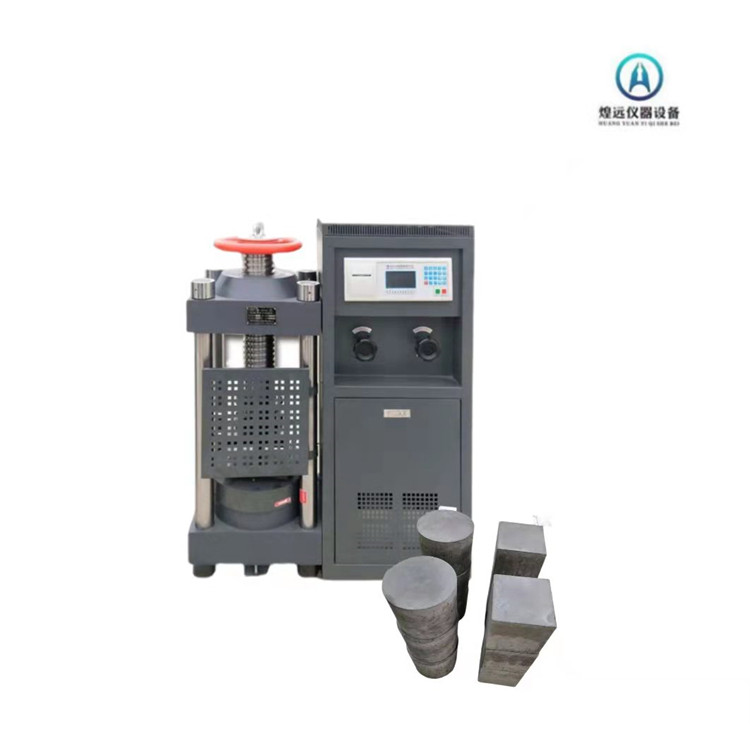
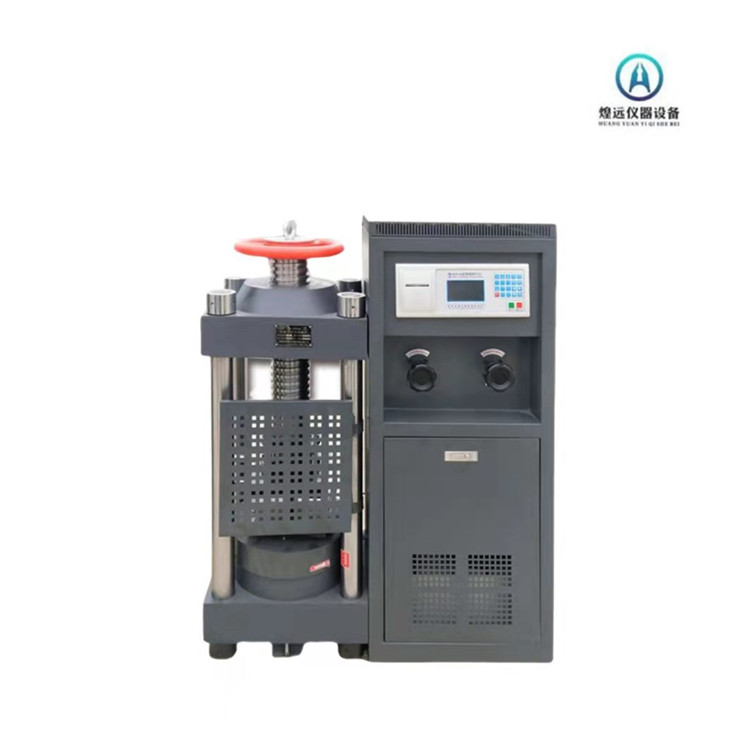
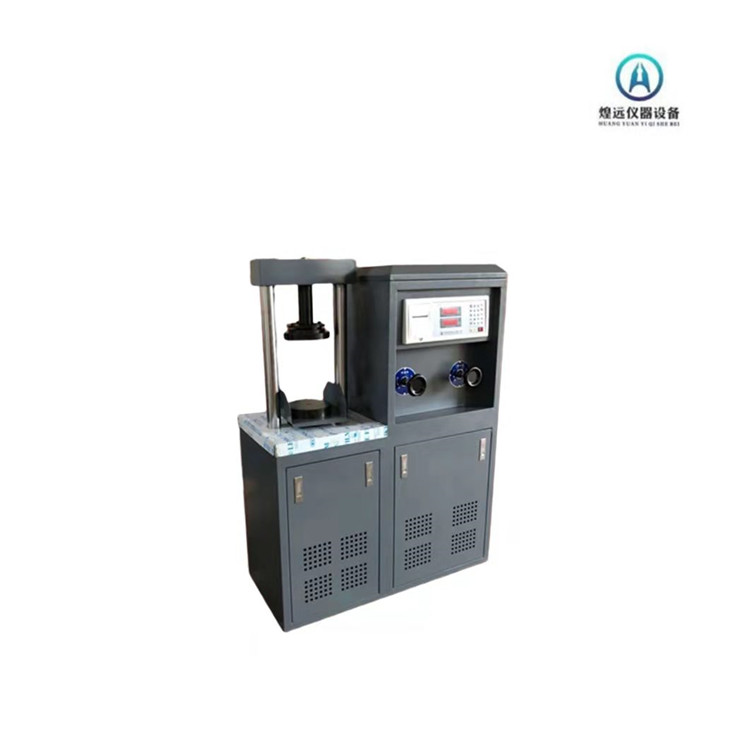
Electro-hydraulic pressure testing machine
Application and Scope
The 2000-type Electro-hydraulic Pressure Testing Machine (hereinafter referred to as the testing machine) is mainly used for pressure tests on specimens of metals and non-metals, such as concrete, cement, bricks, and stones. It is suitable for construction, building materials, highways, bridges, mines, and other engineering construction units.With inspection agencies。
Specs and Technical Parameters
1. Test Force:2000 (kN)
2. Test Machine Precision Level:1. Grade
3. Spacing between upper and lower plates:360 (mm)
4. Piston stroke: 0-50 (mm)
5. Specs for Upper and Lower Plates:240x240 (mm)
6. Motor Power:0.75 (KW)
7. Dimensions: Length900 W x 360 D x 1250 H (mm)
8. Net Weight:650 (Kg)
Work Conditions
1. At room temperature10—3Within the range of 0°C
2. Horizontally installed on a stable base
3. In a vibration-free, non-corrosive medium, and dust-free environment
4. Power Voltage380V
Operation Method
1. Plug in the power, start the oil pump motor, close the return oil valve, and open the oil supply valve to raise the worktable.Over 5mm, close the oil supply valve.
2. Place the specimen on the lower pressure plate, adjust the handwheel to position the upper pressure plate away from the specimen2-3 mm.
3. Adjust the pressure value to zero.
4. Open the oil supply valve and apply load to the specimen at the speed required for the test.
5. After the specimen breaks, open the return oil valve to lower the lower pressure plate, remove the specimen if possible, close the oil supply valve, and record the specimen's pressure resistance value.
Maintenance and care
1. Certain reasons can disrupt the level of the testing machine, so it should be checked regularly for level. If the level exceeds the specified range, it should be re-adjusted.
2. The testing machine should be wiped clean regularly. After cleaning the unpainted surfaces, apply a small amount of rust-proof oil.
The test machine's piston rise must not exceed the specified position.

