




- AllProduct Category
-
NG-B Medium Voltage Fire Resistant Cable
Electrified Railway 27.5kV Cable
Flame-retardant Power Cable, Class WDZB1
Rigid Mineral Insulated Cable
NG-A(BTLY) Flexible Mineral Insulated Cable
Flexible Mineral Insulated Cable
RTTZ(YTTW) Flexible Mineral Insulated Cable
DYJY Airport Guidance Lighting Cable
S-DH Railway Continuity Ground Wire
WDZ-YJYD Series High Current Cable
ZR-VVD Series High Current Cables
YJVD Series High Current Cables
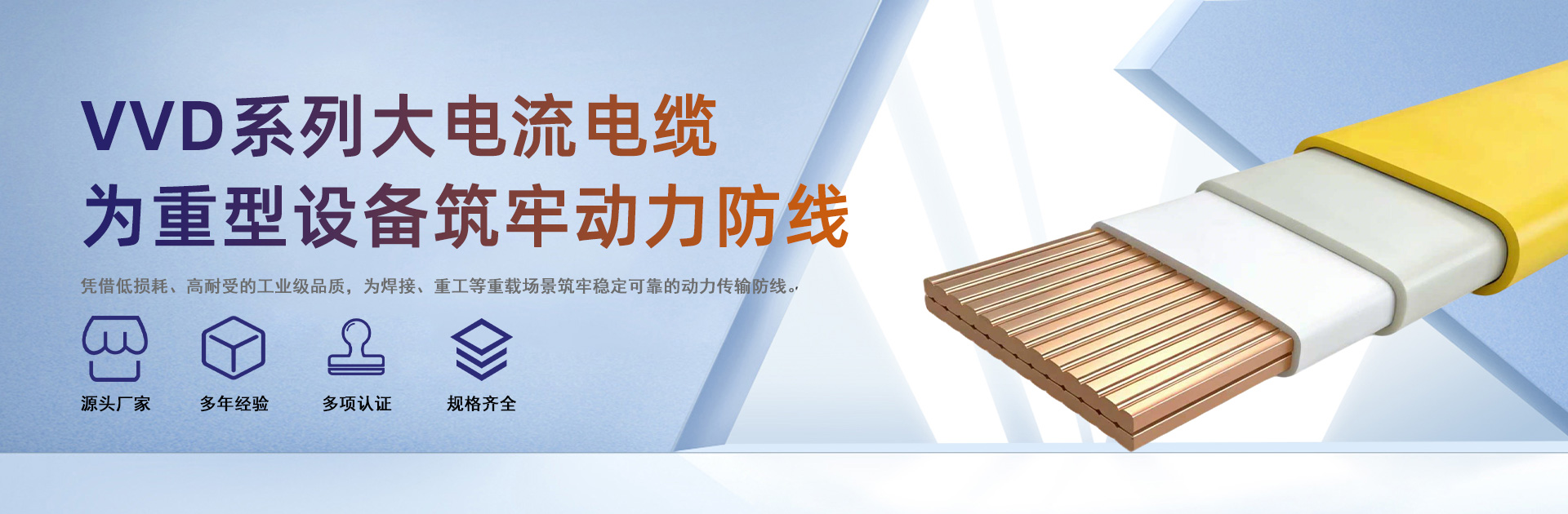
VVD Series High Current Cables


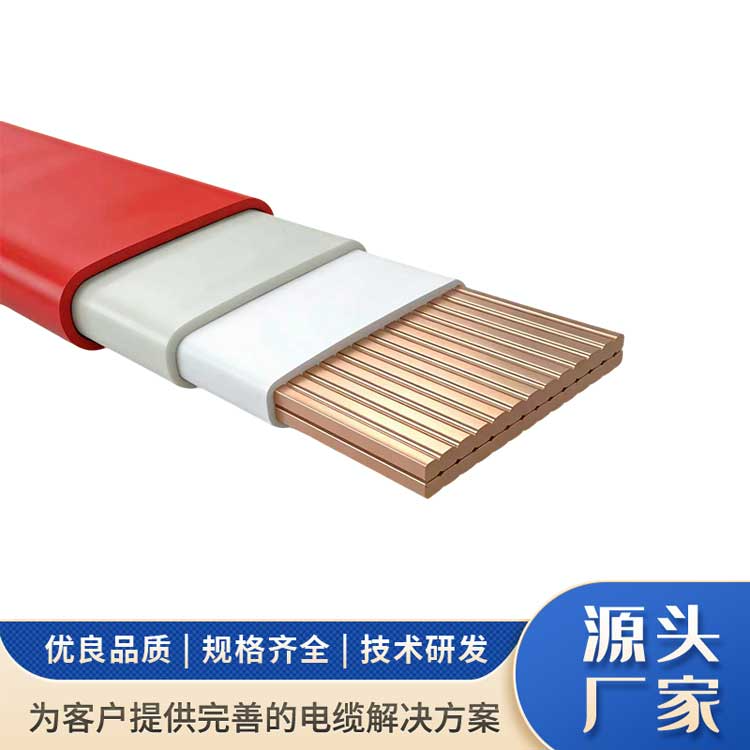
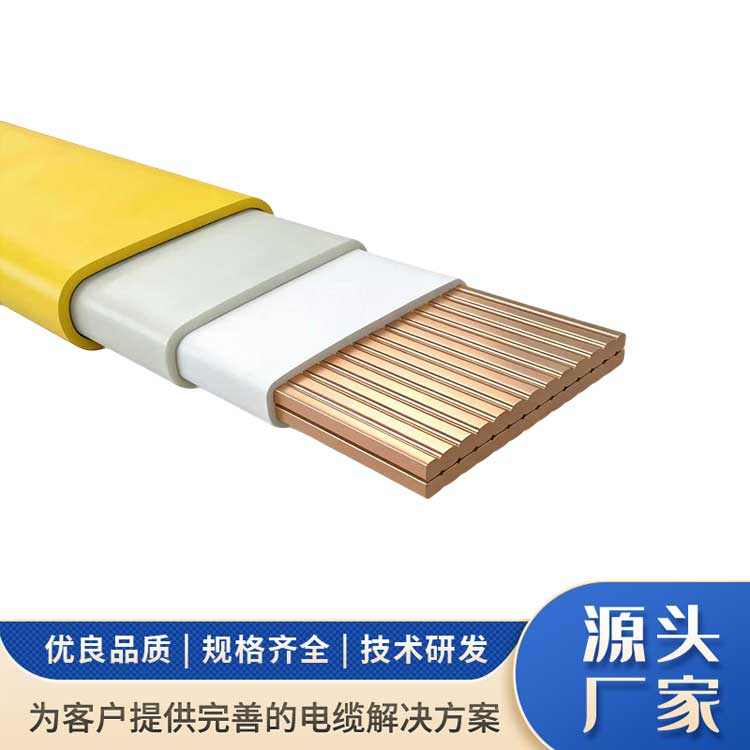
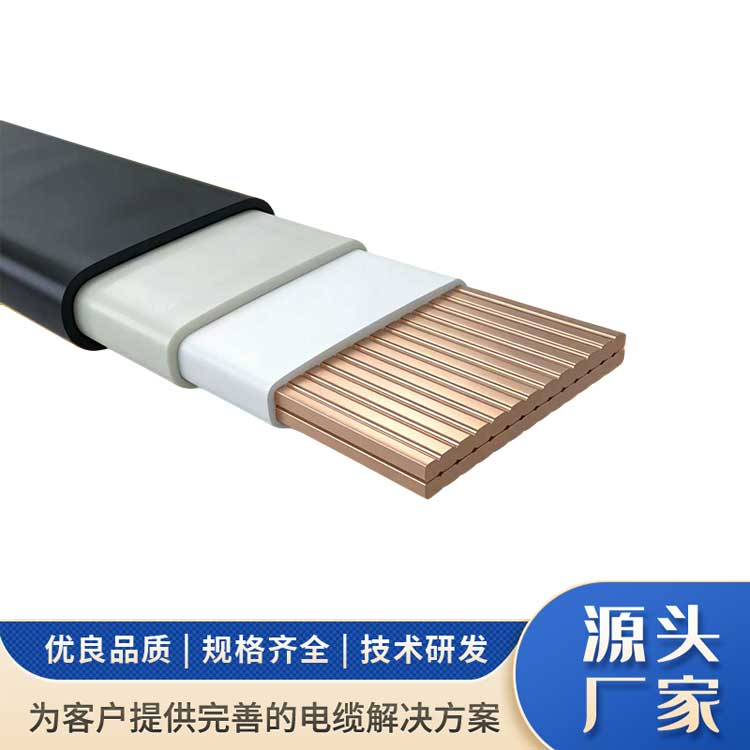
详情描述
BTTZ Rigid Mineral Insulated Cable Product Introduction
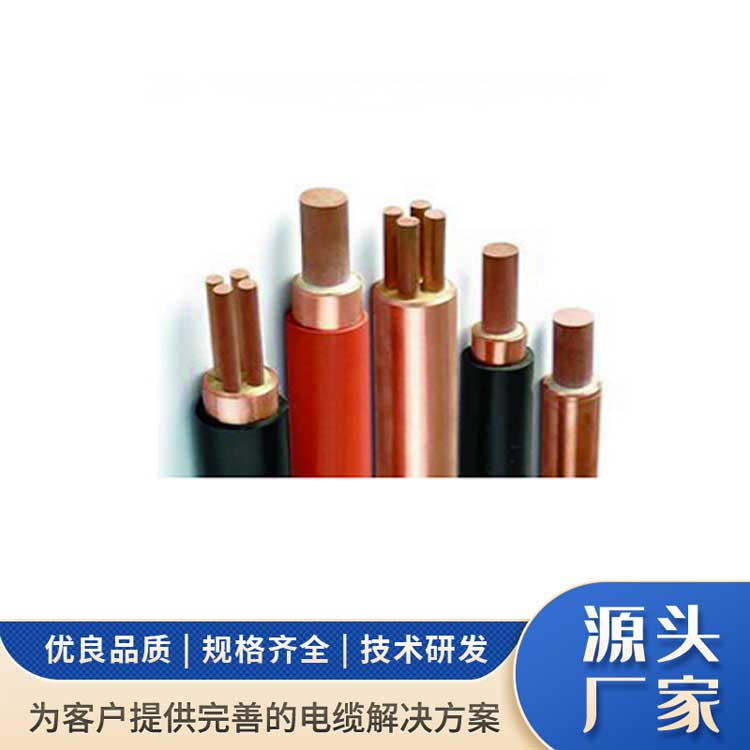
The BTTZ cable is a copper-core and copper-jacketed magnesium oxide insulated heavy-duty fire-resistant cable, also known as heavy-duty mineral insulated cable. It is a new type of cable with a seamless copper tube sheath and magnesium oxide crystal powder as the insulation material. The conductor consists of a single copper rod. It features high resistance to high temperatures, fire, explosion, and non-combustibility (can operate continuously for long periods at 250°C, and for short periods of 30 minutes at the extreme 1000°C). It has a large current carrying capacity, small outer diameter, high mechanical strength, long service life, and generally does not require an independent grounding conductor.
Name and Applicable Voltage
BTTZ Cable Product Overview
Model and Specifications Range
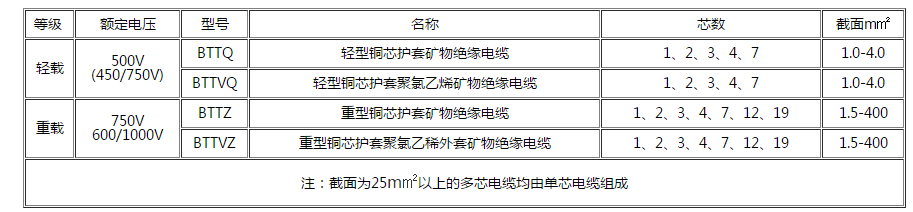
Model Descriptions and Product Examples
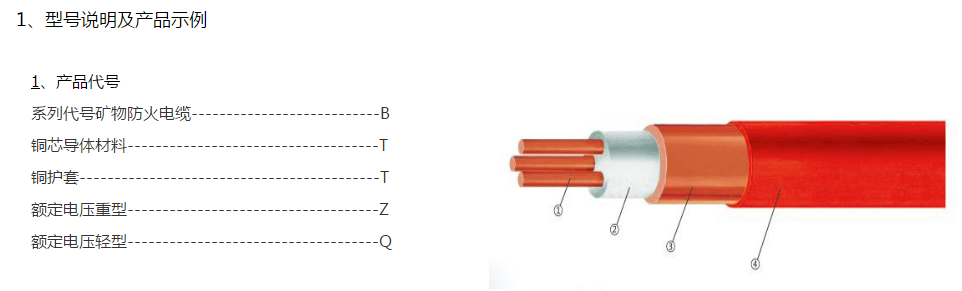
2. Product Representation Examples
For example:
Lightweight copper-core sheathed mineral insulated cable, rated voltage 500V, single-core, 16mm², designated as: BTTQ-500 1*16.
Heavy-duty copper-core sheathed mineral insulated cables, rated voltage 750V, 3 cores, 25mm², represented as: BTTZ-750 3*25.
Heavy-duty copper-core sheathed polyvinyl chloride jacket mineral insulated cable, rated voltage 750V, 4 cores, 185mm², represented as: BTTVZ-750 4*(1*185).
Product Name & Applicable Voltage
1. Product Application
The mineral-insulated cable operates continuously at 250°C, can supply power for 3 hours at temperatures between 950°C and 1000°C, and can operate close to copper's melting point of 1083°C for short periods or in extraordinary circumstances (magnesium oxide has a melting point of 2800°C). Due to the superior properties of mineral-insulated cables, they are suitable for fire and low-voltage circuits rated at 1000V and below.
2. Product Features
Fire-resistant propertiesDue to the mineral cables being composed entirely of inorganic materials (copper and magnesium oxide powder), they are non-flammable and do not support combustion. Even in the presence of an external flame, the cables can continue to operate normally. After the fire is extinguished, there is no need to replace the cables, making them truly fire-resistant. They provide a fail-safe guarantee for fire protection and emergency circuits.
High flow capacityDue to the mineral insulated cables' normal operating temperature reaching up to 250°C, IEC60702 specifies a continuous working temperature of 150°C for such cables, considering the requirements for terminal sealing materials and safety. Even so, their current-carrying capacity significantly exceeds that of other cables because magnesium oxide powder has a better thermal conductivity than plastic. Consequently, at the same working temperature, the current-carrying capacity is greater. For lines above 16mm², one cross-sectional size can be reduced, and for areas where human contact is not permitted, two cross-sectional sizes can be reduced.
Waterproof and explosion-proofDue to the cable's sheath being made of copper tube, the conductor, insulation, and sheath form a dense, compressed entity. This not only prevents water, moisture, oil, and certain chemicals from penetrating but also inhibits the spread of flammable oil vapors, gases, and flames.
Overload ProtectionWhen the circuit is overloaded, plastic cables can overheat or break down due to excessive current or voltage. However, for mineral insulated cables, as long as the heat does not reach the melting point of copper, the cable will not be damaged. Even if there is a momentary breakdown, magnesium oxide at the breakdown point will not form carbides when exposed to high temperatures. After the overload is cleared, the cable's performance remains unchanged and can continue to be used normally.
Operating TemperatureDue to the higher melting point temperature of magnesium oxide insulation compared to copper, the maximum normal operating temperature of the cable can reach 250°C, and it can continue to operate at temperatures close to copper's melting point of 1083°C for short periods.
Shielding PerformanceThe copper sheath of the cable serves as a shielding layer, protecting against interference from the cable itself to other cables, as well as against external magnetic fields.
LifeDue to the cable being composed of inorganic materials, it does not age and has a minimum lifespan of over a century. Moreover, the cable can be disassembled and reused repeatedly, accompanying equipment relocation or line modifications.
Outer Diameter WeightCompared to cables of the same specification made of plastic, mineral insulated cables have a diameter reduced by 50% and a weight reduced by 30%, which not only decreases the space occupied but also facilitates installation.
Radiation resistanceDue to the cable being composed of inorganic materials, its electrical and mechanical properties remain unchanged after exposure to nuclear radiation.
Safe and eco-friendlyThe cable is composed entirely of inorganic materials, free of any organic substances. Consequently, even when subjected to烧烤 at temperatures above 1000℃ or placed in flames that are destructive to copper, it does not produce any smoke, nor does it emit halogens or toxic gases. This cable is truly a green and environmentally friendly product, ensuring safety without any "secondary disasters."
BendabilityDue to the thorough annealing process, the cable boasts exceptional flexibility that cannot be compared to ordinary plastic cables. The minimum bend radius is only 3-6 times the cable's outer diameter, and it is repeatable and can withstand multiple bends.
Resistance to mechanical damage: Due to the cable's metal sheath having certain strength and toughness, and magnesium oxide being highly compressed during the cable manufacturing process, the relative position of the core wire and the sheath remains unchanged during bending, flattening, and twisting, etc. There will be no short circuit, and the electrical performance will not be affected. Even when the cable's outer diameter deforms to two-thirds,
Operates normally.
Grounding PerformanceFor mineral insulated cables, due to the continuity of the copper sheath and extremely low ground resistance, they can be used as grounding conductors without the need for a separate grounding wire.
3. Fire resistance capability
1. Exceptional fire resistance capabilities
Electrical wiring safety is crucial in both factories and buildings. According to national statistics, over 50% of fires are caused by electrical wiring. Cables are the main component of the wiring and also the most challenging to protect. Therefore, cables must not only resist external flame damage but also possess a non-flammable nature. Since the mineral insulated cables are made of inorganic materials, the magnesium oxide insulator does not produce open flames during overload or short circuit. Thus, wiring composed of mineral insulated cables will never lead to fires. In the event of a fire caused by other factors, the cables must withstand intense flames and continuous impacts from falling debris. The ability of the cables to operate without emitting smoke or toxic gases, while ensuring the normal operation of fire-fighting equipment, extinguishing the fire, and evacuating personnel, is the key to evaluating the cable's fire resistance.
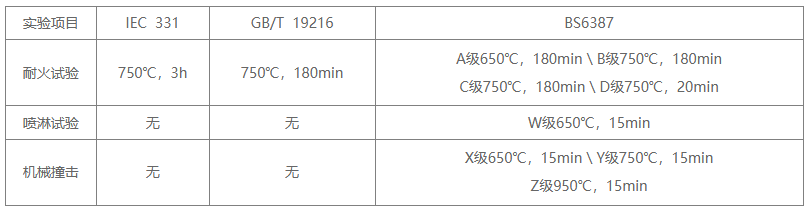
4. Fire Resistance Test Method
5. Fire Retardant Capacity
From the testing methods outlined in the table above, it can be deduced that only the methods specified in BS6387 (British Standard) truly test the cable's actual fire resistance during a fire. As cables are not unaffected by external disturbances when on fire, they are continuously impacted by fire-fighting water, falling debris from the fire, and other heavy objects. We know that the fire resistance of organic (plastic) electrical terminations is achieved through mica tape insulation between conductors and insulation. Once a plastic fire-resistant cable is exposed to fire, the mica and insulation will respectively form hard shells and carbon shells. The carbon shell will conduct electricity when it comes into contact with water, and the hard mica shell will detach upon impact from water or other heavy objects. Multiple tests by authoritative foreign institutions have proven that only mineral insulated cables can meet the testing requirements of BS6387 (British Standard). Other cables relying on mica-insulated fire-resistant properties (NH) cannot guarantee absolute safety of electrical conductivity during a fire.
6. Overload Resistance
Test Conditions: Tests are conducted using cables of different types with the same rated current capacity, all test cables are connected in parallel, and the test cables are simultaneously connected to an adjustable transformer.
Testing Method: Gradually increase the transformer's output voltage to alter the current passing through the tested cable, observing the cable's condition until it reaches overload.
Test Conclusion: After subjecting the cables to overvoltage, some cables generated a fire source due to the conversion of electrical energy into heat. The test results also indicate that only mineral insulated cables do not experience electrical faults due to overload, nor do they ignite fires.


