




Copper Plating Technique
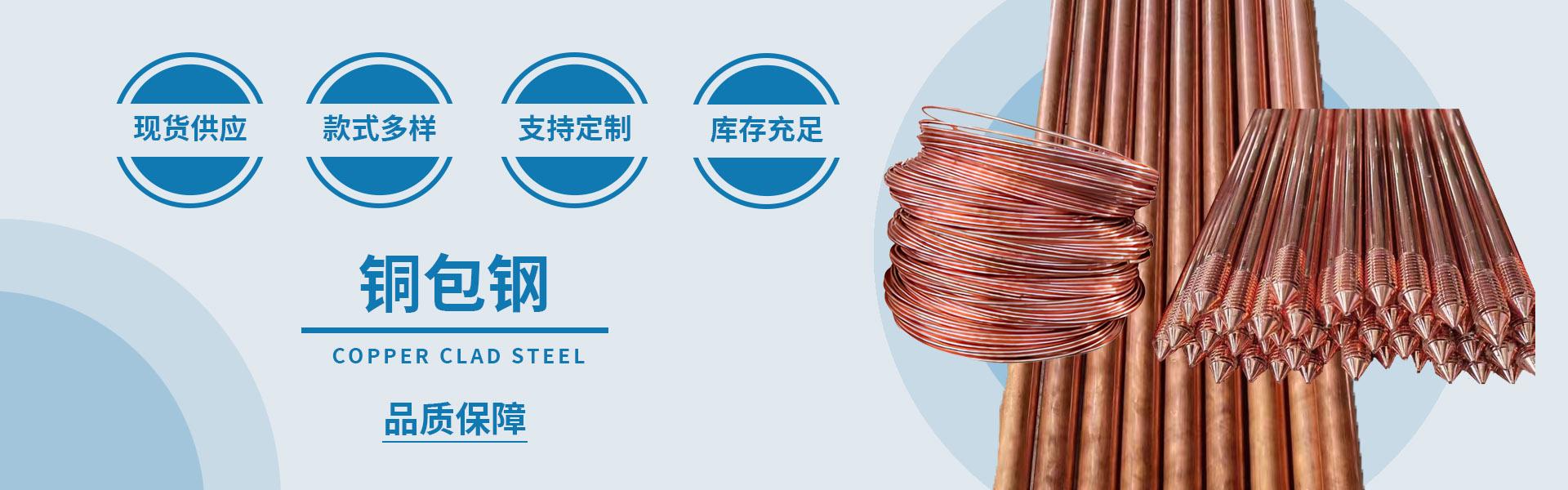
The copper plating process for copper-plated round wires is crucial for their performance and thermal stability. The copper plating process involves steps such as cleaning, degreasing, acid cleaning, activation, intermediate layer plating, final copper plating, and cleaning and drying. Among these, the copper plating is the decisive step for the quality and thermal stability of the copper-plated round wires.
The quality of copper plating plays a crucial role in the performance and thermal stability of copper plated round wire. An excessively thick copper layer can lead to abnormal grain growth and structural changes in the metal, thereby affecting the conductivity and coefficient of thermal expansion of the copper plated round wire. An overly thin copper coating can reduce the corrosion resistance and oxidation resistance of the copper plated round wire, thereby impacting the lifespan and reliability of the devices.
2. Winding Technology
The winding process also has an impact on the thermal stability of copper-plated round wire. During the winding process, copper-plated round wire must undergo steps such as straightening, drawing, and painting. These processes affect the tensile properties, strength, and hardness of the copper-plated round wire.
During the winding process, copper-plated round wire must maintain a certain degree of tensile strength for resistance to temperature fluctuations and mechanical stress. Additionally, to ensure stability during winding and use, appropriate coating and sheathing measures must be taken to prevent issues such as oxidation, corrosion, and mechanical wear.
Application Environment
The thermal stability of copper-coated round wire also relates to its operating environment. Under different application conditions, copper-coated round wire is subject to varying degrees of high temperatures, oxidation, and thermal expansion. Therefore, when selecting copper-coated round wire as a conductive material, it is necessary to consider factors such as temperature, humidity, and corrosiveness of the operating environment.
Under high-temperature and humid conditions, copper-coated round wires are prone to oxidation and corrosion, which can affect their conductivity and thermal stability. Therefore, it is necessary to choose copper-coated round wires with anti-corrosion, anti-oxidation, and moisture-proof properties in such situations.
