
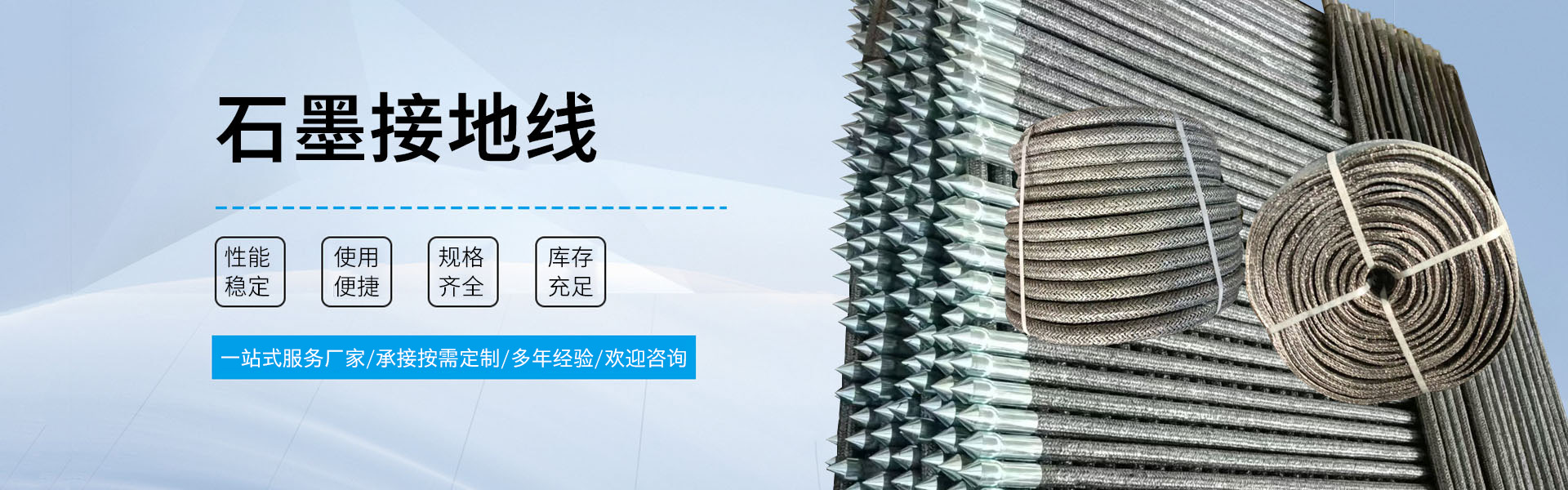
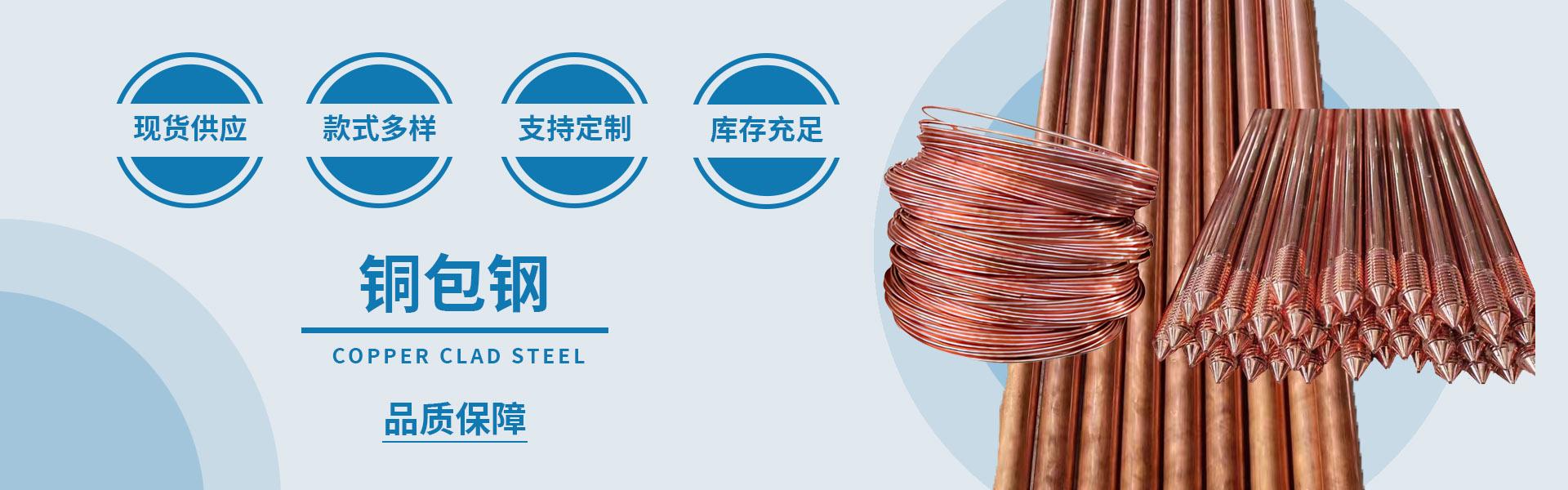




Cu-coated round steel products from our factory generally possess excellent electrical conductivity, low resistance, superior performance, ease of transportation, and convenience in construction. They are suitable for both construction areas and industrial manufacturing processes. Copper-clad steel is typically flat-laid, such as steel strip and copper strip coiled rolling; copper-coated steel is curved-laid, usually sealed, like copper strip wrapping around steel wire, with seams welded using argon arc welding and then drawn to reduce diameter and re-coated. The wholesale factory of copper-coated round steel introduces that the specifications for using galvanized or copper-coated round steel as lightning arresters or meshes require a thickness of not less than 8mm. Copper-coated steel grounding materials utilize a copper layer of 0.254mm thickness on the surface, which is resistant to corrosion, and the intermolecular penetration electroplating process enhances the bonding between the copper layer and the steel core. Compared to traditional materials, it offers good economic performance and achieves the full life cycle equipment management, aligning with the scope of new materials, new processes, and new equipment.
One: Copper-plated round steel bars were previously required to inspect high-voltage grounding wires. Check for broken ends in the soft copper wire, loose connections at the screw joints, and whether the spring tension of the wire hooks has deformed. If any of these conditions occur, replace or repair the wire before using it again.
Two, utilizing high-voltage grounding lines suspended at both ends of the address to prevent back-feeding and induced electricity has proven effective, with numerous cases demonstrating its benefits.
Prior to hanging the high-voltage grounding wire, it is necessary to conduct an electrical test. Failing to do so before hanging the high-voltage grounding wire is a common customary violation among the grassroots, and during the hanging process, the grounding wire must not come into contact with the body.
Four, cherish the high-voltage grounding wire. During use, the high-voltage grounding wire must not be twisted. When not in use, the soft copper wire should be coiled neatly. After the high-voltage grounding wire is removed, it should not be dropped from the air or thrown carelessly on the ground. It should be passed using a rope, and attention should be paid to the cleanliness of the high-voltage grounding wire.
