



 通过中商114认证

The general characteristics of an office space are its public nature, catering to the aesthetic needs and functional requirements of multiple employees. Currently, the design philosophy of office spaces typically emphasizes three key elements.
Team Space
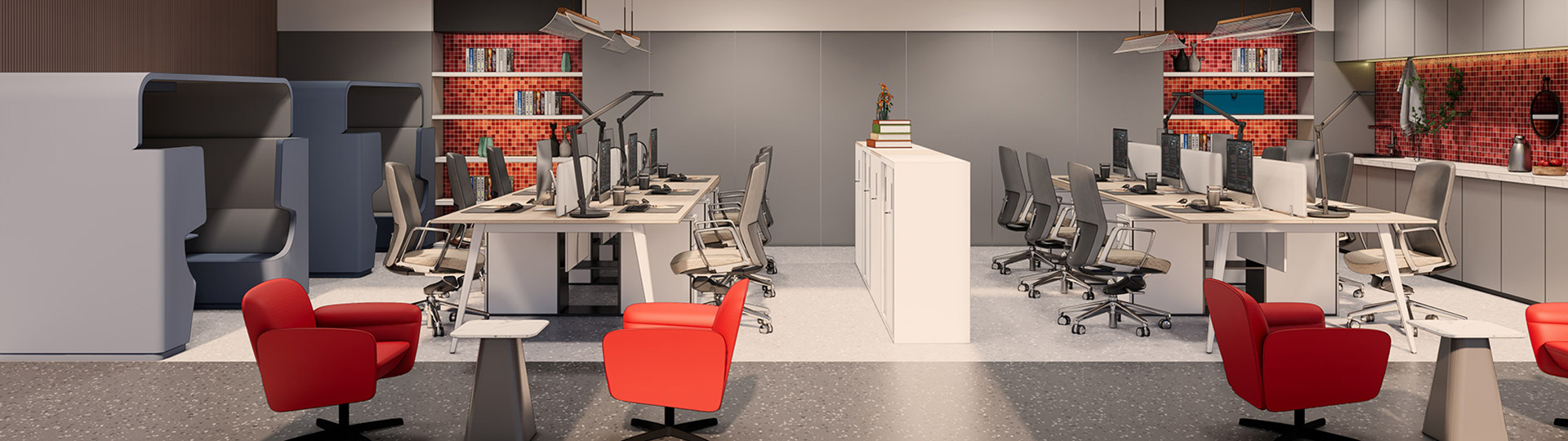
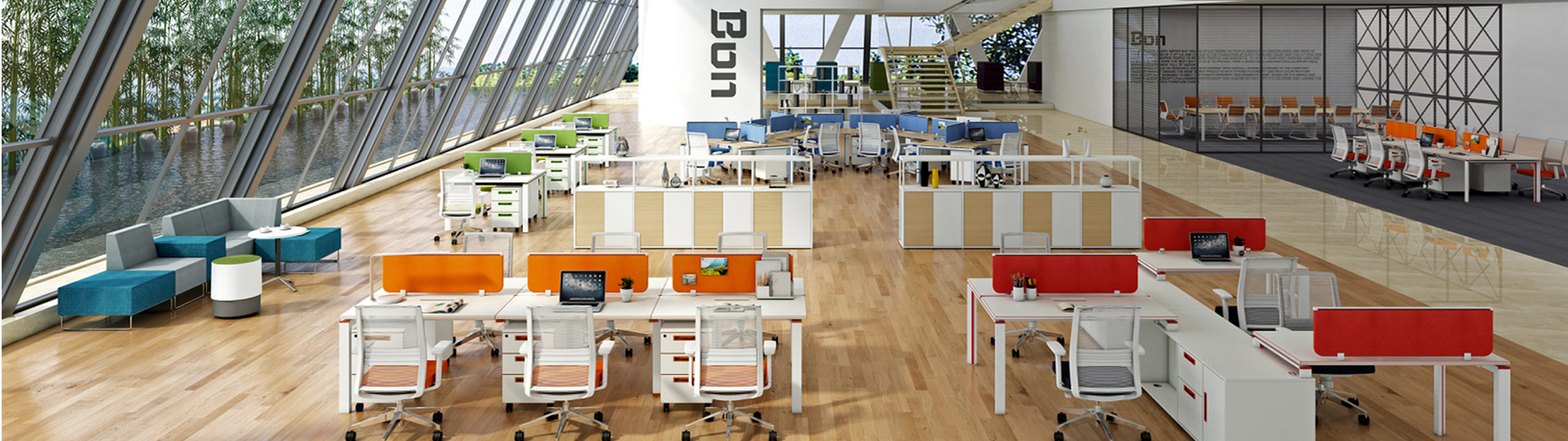
Divide the office space into various teams (with 3 to 6 people per area), allowing teams to personalize their shared spaces, which can be used for meetings and document storage, and thoughtfully design individual spaces based on their communication and work needs.
Public Space
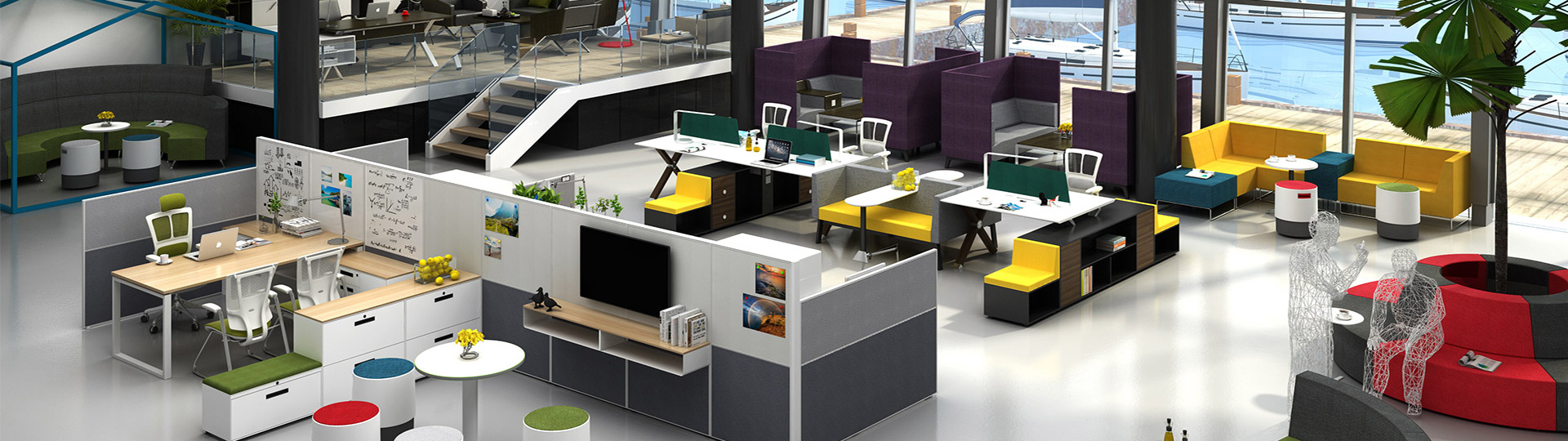
Currently, some office spaces have smaller public areas, where you enter directly into the lobby and offices upon exiting the elevator, lacking a transitional process. A good design must have a spatial transition, not just corridors, but also an environment that leads from public to private spaces. Some clients might find this concept extravagant, but it's entirely different. For instance, the area near the elevator could be designed as a lounge or a negotiation room, effectively separating public and private spaces while creating a different rhythm. As public spaces, they should not only include formal meeting rooms but also informal areas, such as cozy tea stations or intentionally empty corners. Informal public spaces allow for spontaneous encounters and discussions, often sparking ideas that could lead to serious meetings. Moreover, they strengthen communication among employees. Additionally, office spaces should empower employees to personalize their work environment.
In addition, the spatial design of office buildings must also prioritize the practical efficiency of flat spaces, which is a matter of great concern for many users.
