


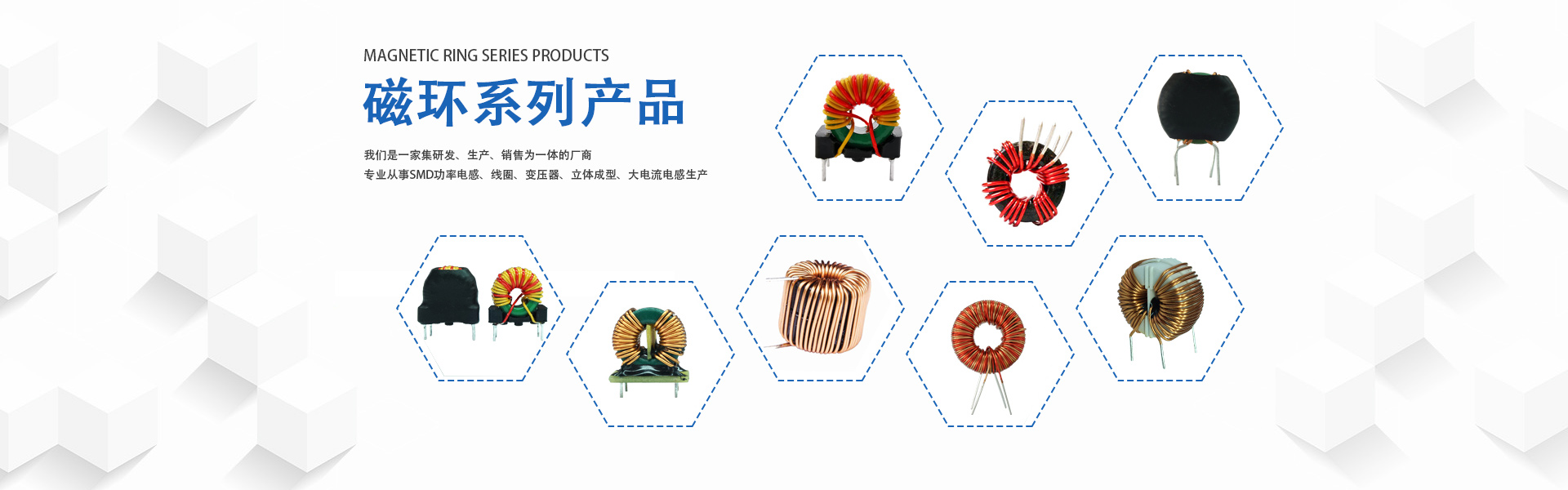






Wild Electronics is a staple for two commonly used inductors in the market, indispensable in various motherboards, power banks, smartphones, and some large-scale equipment. So, a client asked, what are the differences between surface mount inductors and power inductors?
Can they be interchanged? What are the special features in terms of performance? Which one is better? Hold on, let me explain step by step. After a special visit to Wh尔德's engineers, I got a detailed introduction from them.
Key performance indicators include: inductance, temperature coefficient, DC resistance, Q-value, rated current, etc. Don't worry, the editor will provide a detailed analysis for you, combining the engineer's detailed introduction and the information found online.
1. When it comes to inductance, it's essential to discuss its inductance value. The basic unit of inductance in surface mount inductors and power inductors is the same; it's the Henry, abbreviated as "H" and represented by the letter "H." Conversion units include: Henry, millihenry, microhenry, and nanohenry. The conversion is as follows: 1,000.
2. The temperature coefficient, as a factor affecting the difference between the nominal inductance and the actual inductance, cannot be overlooked. Since the nominal inductance is calculated at room temperature, and the temperature conditions for inductors in different fields vary, our company's R&D team has tested the inductance under various temperature conditions. Due to the significant temperature coefficient and non-linearity of the magnetic permeability of ferrite, it is necessary to pay attention to the temperature drift of inductance when required.
Special consideration should be given to ferrite chip inductor stack layers and wire-wound chip inductors with ferrite as the core, while the temperature coefficient of the inductance of their surface mount power inductors is much smaller.
