
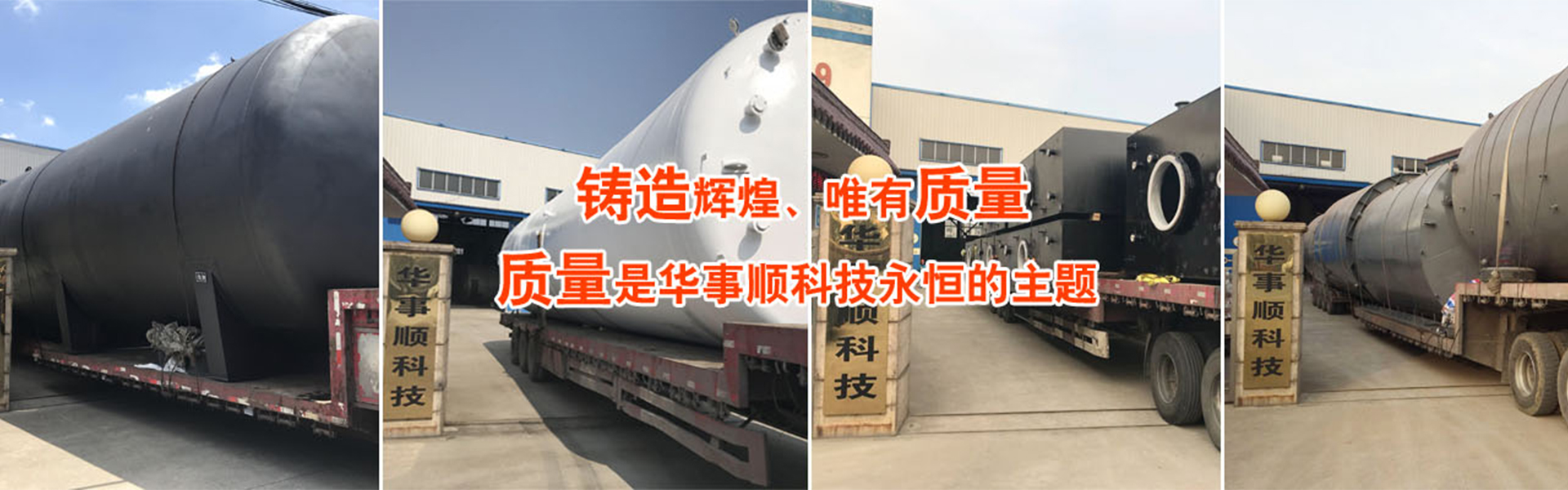



Steel Lined PE Storage Tank Technology and Characteristics:
Steel-lined plastic storage tanks are made from polyethylene (PE) and are formed through a spinning molding process (heated rotation molding) in one piece. The steel mesh is welded to the surface of the steel body, integrating the steel surface, steel, mesh, and plastic into a single unit.
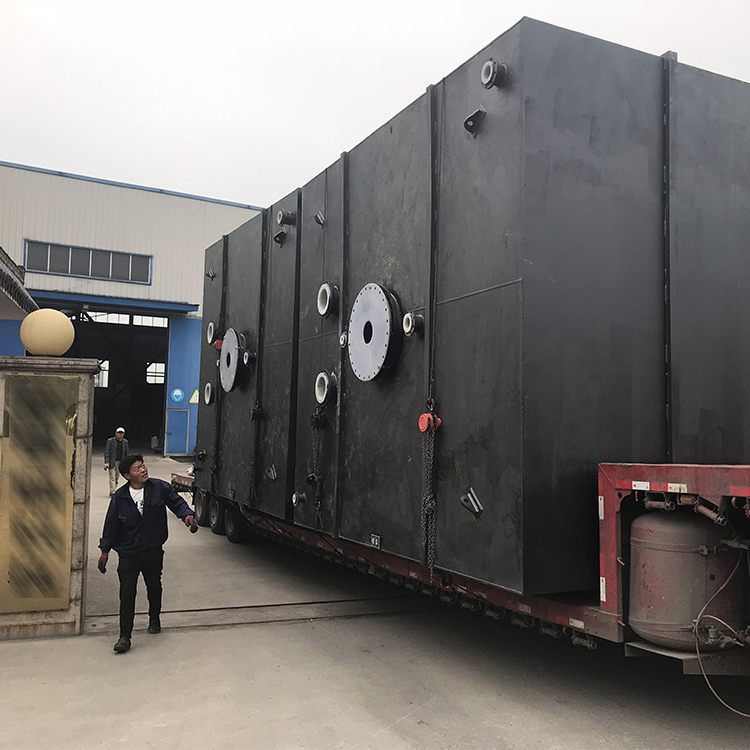
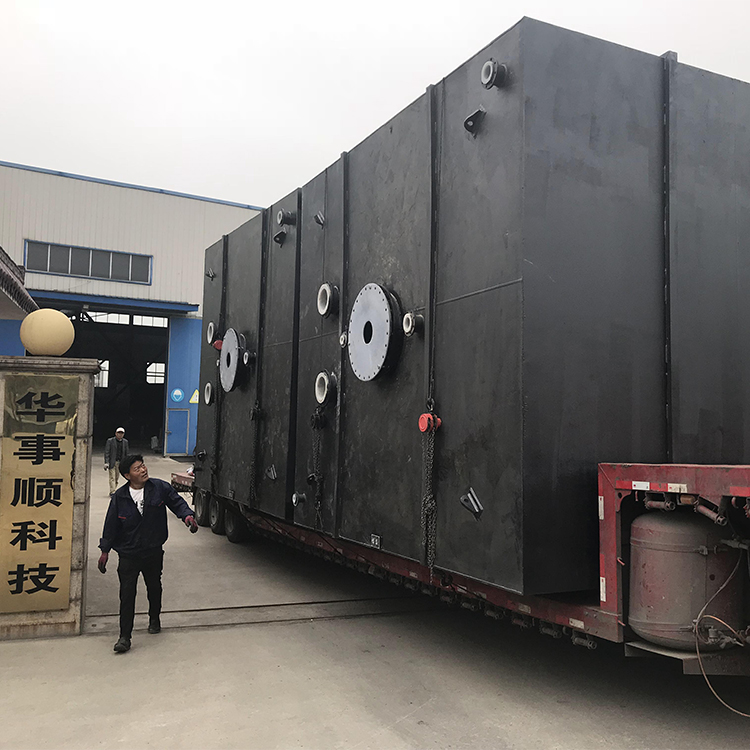
Structure: Steel-plastic lined products typically consist of the body, flat bottom, top cover, manhole, inlet flange, outlet flange, and liquid level hole flange. Horizontal steel-plastic storage tanks usually also feature standard steel supports. These steel-plastic products are generally designed and manufactured based on the specific on-site usage requirements of the customer.
Steel-lined plastic storage tanks, featuring their unique rotational molding process, excellent overall structure, and superior material properties, boast superior integrity, high strength, seamless design, leak-proof, impact resistance, good toughness, lightweight, long service life, resistance to acids and alkalis, resistance to organic solvents, compliance with hygiene standards, and a wide variety of specifications and types. Particularly, their corrosion resistance, long lifespan, and extensive range of specifications and types offer significant advantages, making them the ideal product for storing and transporting various chemical liquid and semi-solid substances.
Steel-lined PTFE Storage Tank Technology and Characteristics:
The steel-lined PTFE storage tank refers to selecting an appropriate thickness of 3mm/4mm polytetrafluoroethylene (PTFE) sheet based on the specific operational requirements of the customer. The PTFE sheet is bonded to the inner surface of the steel body to achieve corrosion resistance. The specific steps include first sandblasting and cleaning the steel base of the equipment with a detergent, followed by drying. Then, a special adhesive is evenly coated on the inner surface of the product, and an adhesive layer is also applied to the reverse side of the PTFE sheet. The PTFE sheet is then bonded in place, and after the adhesive-coated PTFE sheet is properly aligned, it is first bonded. Local heating and rolling are then applied to expel air trapped between the sheets, ensuring a tighter bond. Once all the composite panels are bonded, a professional cutting machine is used to create a "V" shaped long slot at the junction of the two panels. An imported high-temperature welding torch with Φ3.5mm PFA welding rods is used to weld the two panels together in the slots, ensuring no impurities, bubbles, or incomplete welds. After the overall welding is completed, a pinhole tester is used to test with 15,000 volts to check for any microholes and make necessary repairs. After inspection, an imported sawing machine is used to flatten the protruding welding rods on the composite panels, and a 20mm-wide welding strip is applied on top to reinforce the welds, ensuring a solid and bubble-free weld. The welding is then tested with 30,000 volts to confirm the welding integrity, and any impurities in the gaps are cleaned thoroughly.

