


1. The two differ in their structural characteristics.
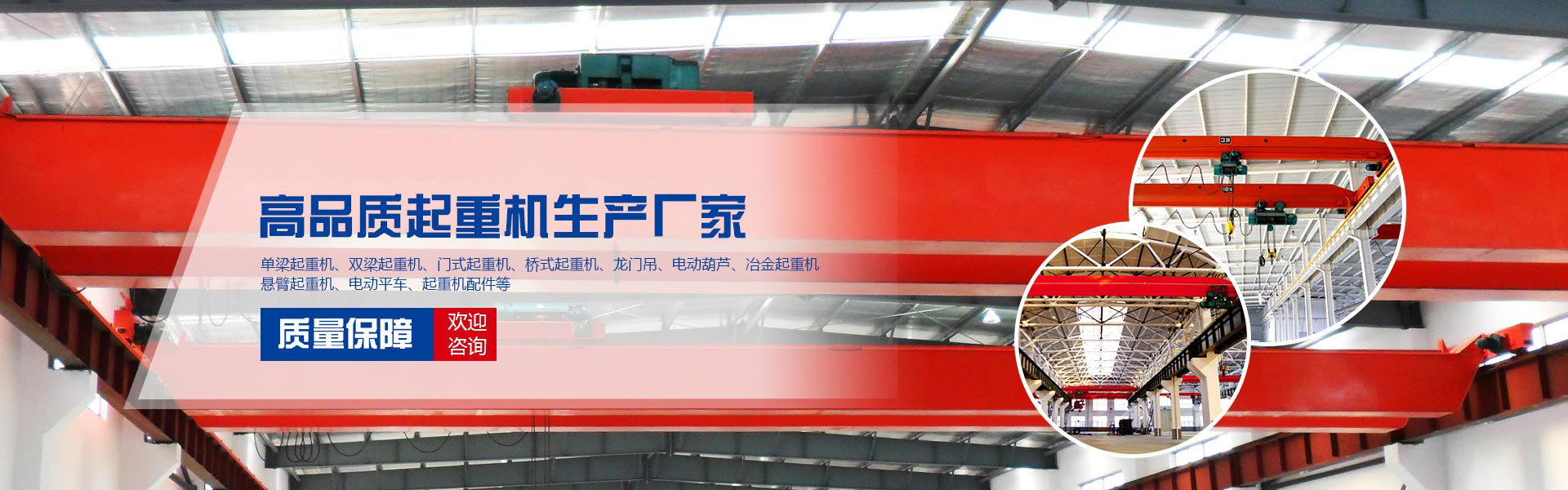
The single girder crane structure is relatively simple and lightweight, making it easier for installation, daily maintenance, and disassembly. However, the double girder crane has a more complex structure, is heavier, and is more challenging to install, maintain, and repair on a daily basis.
2. There are differences in the production costs of the products.
Single girder cranes have a shorter span, consume less raw material, and thus, have a lower cost. In contrast, double girder bridge cranes have a larger span, more material consumption, and higher technological content, resulting in higher production costs for the product.
3. Varying in practical operational methods
In practical operation, single girder cranes are typically operated on the ground, allowing for hands-on or remote control operation through handles. In contrast, double girder cranes require operators to control them during operation.
4. In terms of mechanical properties
In terms of mechanical performance, single girder cranes have relatively lower stability, smaller rated lifting capacity, and a lower working grade. Conversely, double girder cranes offer relatively higher stability, heavier rated lifting capacity, and a higher working grade.
5. The two differ in their work environments.
Single girder cranes are typically suited for work environments with shorter spans, lighter lifting capacities, and relatively smaller construction site spaces. On the other hand, double girder cranes are more appropriate for areas with longer spans, heavier lifting capacities, and more open construction site spaces.
News Center Co., Ltd.
