


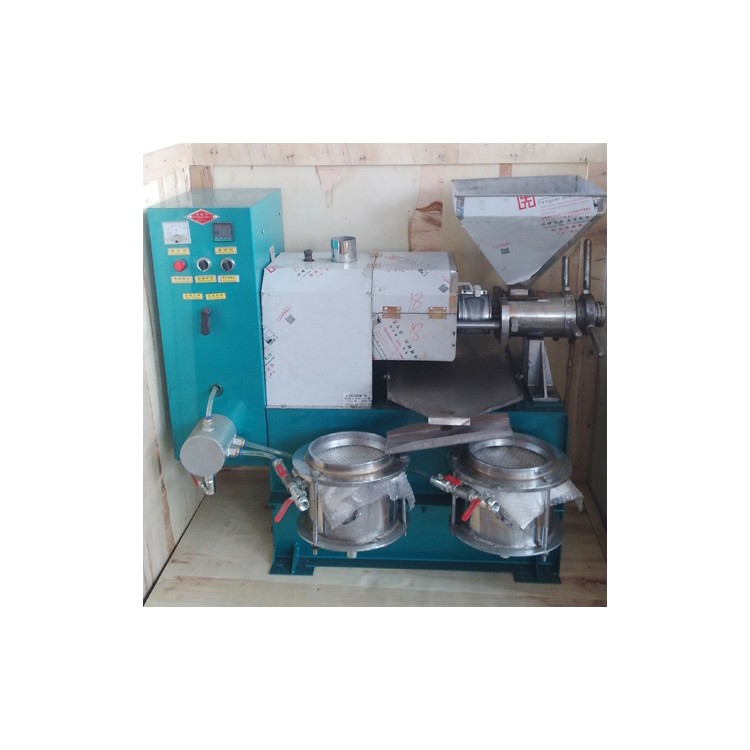
About Sesame Oil Extraction:
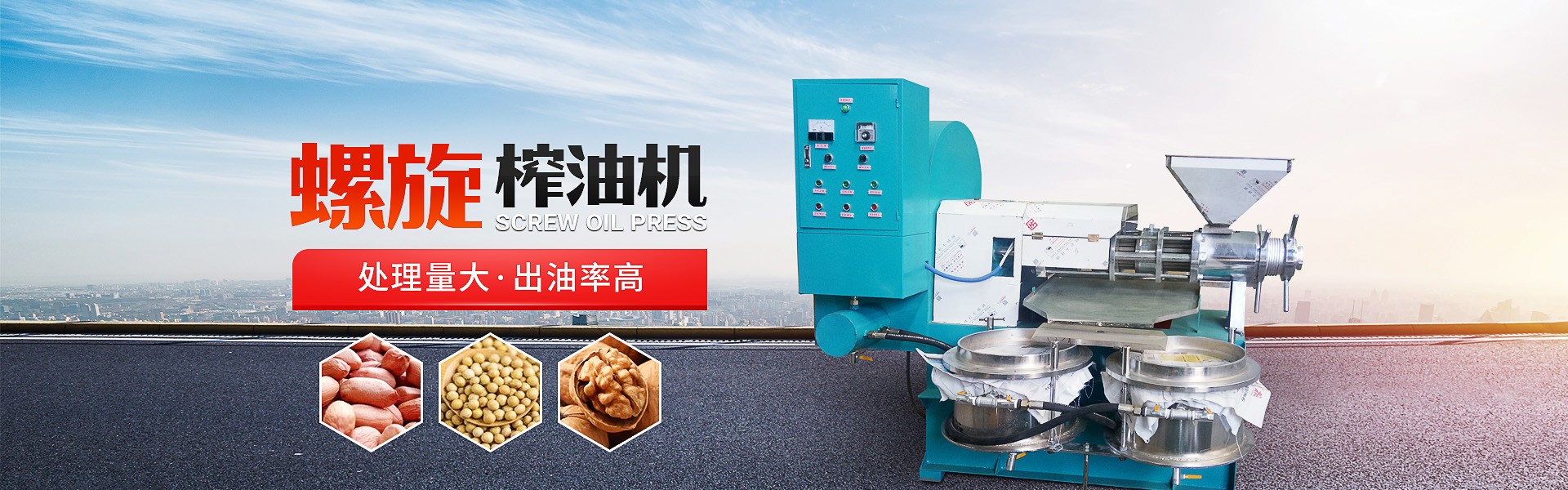
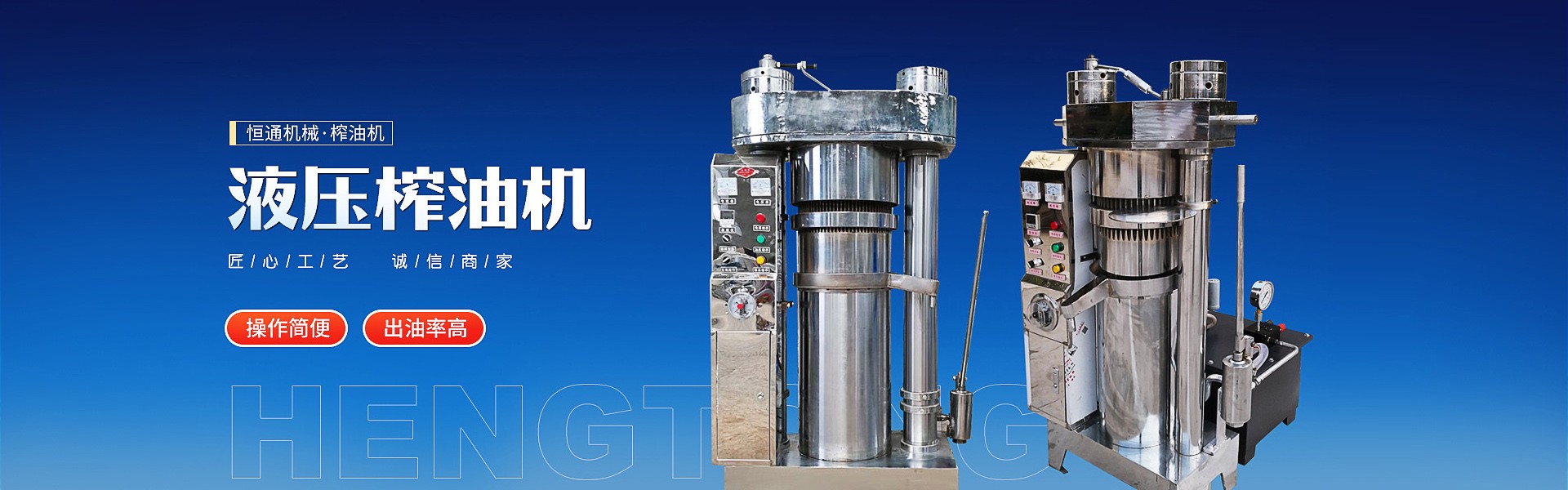
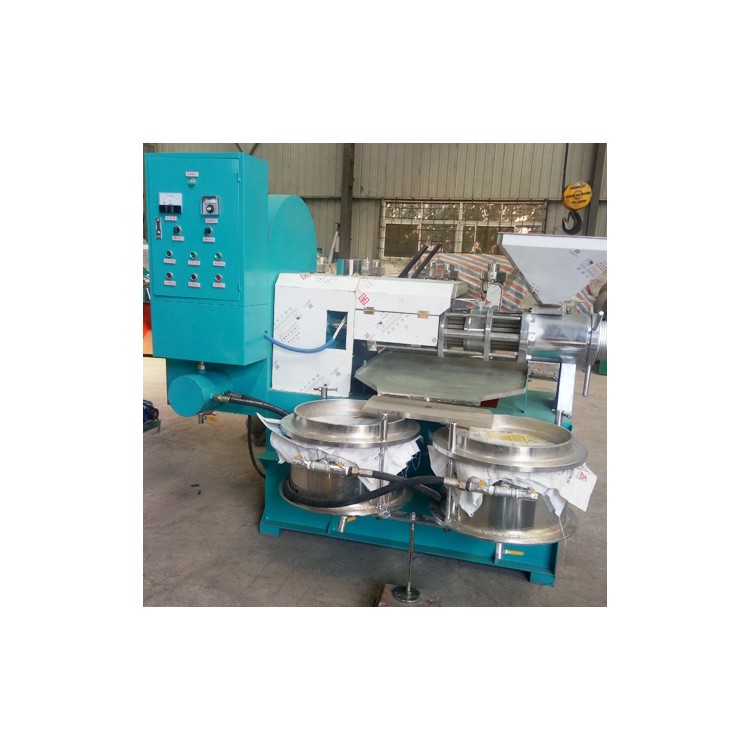
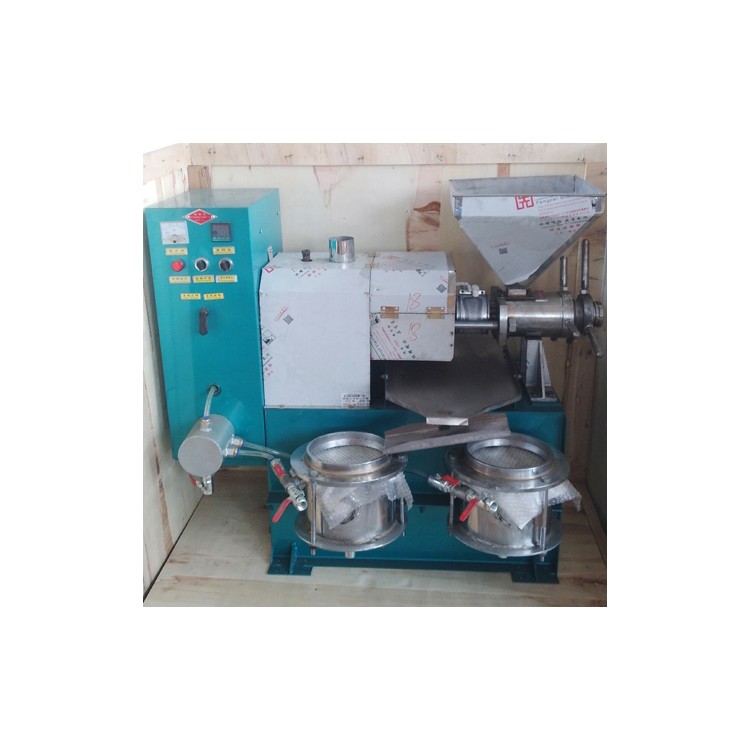
Sesame oil, also known as seed oil or sesame seed oil, is a commonly used edible oil. It is extracted by pressing sesame seeds, with two main pressing methods: the traditional water displacement method and the current pressing method. The pressing method is the one we're discussing today for making pressed sesame oil.Screw Oil Press MachineYetHydraulic Oil Press MachineHere, based on feedback from a wide range of users, our company recommends hydraulicOil Press MachineMost users report that the hydraulic press sesame oil has a clearer and brighter texture.
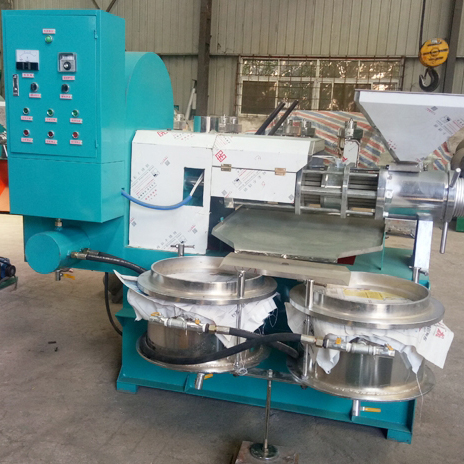
Sesame oil is a unique type of oil that requires roasting before pressing, whether using traditional or modern methods. This process releases the aromatic flavors from the oil seeds, hence the name "sesame oil." In other words, sesame oil seeds can only be hot-pressed, not cold-pressed. For sesame oil extraction, you can choose an automatic hydraulic oil press or a screw oil press.
Sesame Oil Press MachineCompany Profile:
The fully automatic hydraulic oil press is a mechanical oil press that is easy to operate, has a high oil yield, and requires few replacement parts.Small oil press machine, is an advanced equipment replacing the manual operation of small sesame oil, due to its short pressing time (3-5 minutes per cycle) and capacity (1.5-20 kg per cycle), it is particularly suitable for the consumer psychology in large and medium-sized cities who prefer to buy genuine products (from raw material to sesame oil). It also ensures quick processing of rural supplies in rural towns (your oil material yields your oil), known as trustworthy oil.
Hydraulic oil press machines primarily process oil crops such as sesame, walnuts, peanuts, pine nuts, and almonds, among other high-oil content crops.
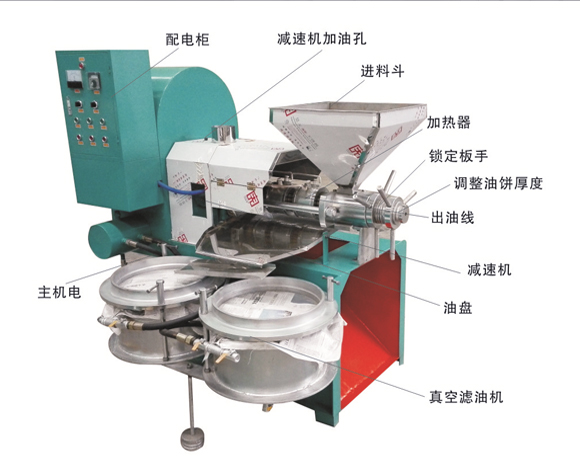
Sesame oil press machine composition:
The complete unit is mainly composed of three major parts:
1. Main Body Component: Comprising the base plate, upright columns, top deck, press assembly, oil pan, nuts, and other parts, it forms one of the main components of the machine. The oil, within the press assembly, is pushed upwards by the force of the cylinder assembly. The oil flows out through the oil gap of the press and into the oil pan, eventually being transferred to the oil storage drum.
2. Transmission hydraulic section:
This unit's primary driving force for high oil output consists of components such as the drive shaft, worm gear, worm, gear pump, high-pressure pump, overflow valve, manual valve, hydraulic cylinder assembly, pipe joints, and more. Equipped with the world's leading hydraulic pump station, the Korean three-plunger pump station, it operates at a lower speed and higher oil pressure than domestic two-plunger pumps, withstanding high temperatures. It can continue to work without cooling at oil temperatures above 65 degrees Celsius.
3. Electrical Control Section: This is where the machine's advanced features lie, comprising of components such as motors, voltmeters, temperature control regulators, pressure gauges, and power fuses.
