




Peanut Oil Press MachineIntroduction:
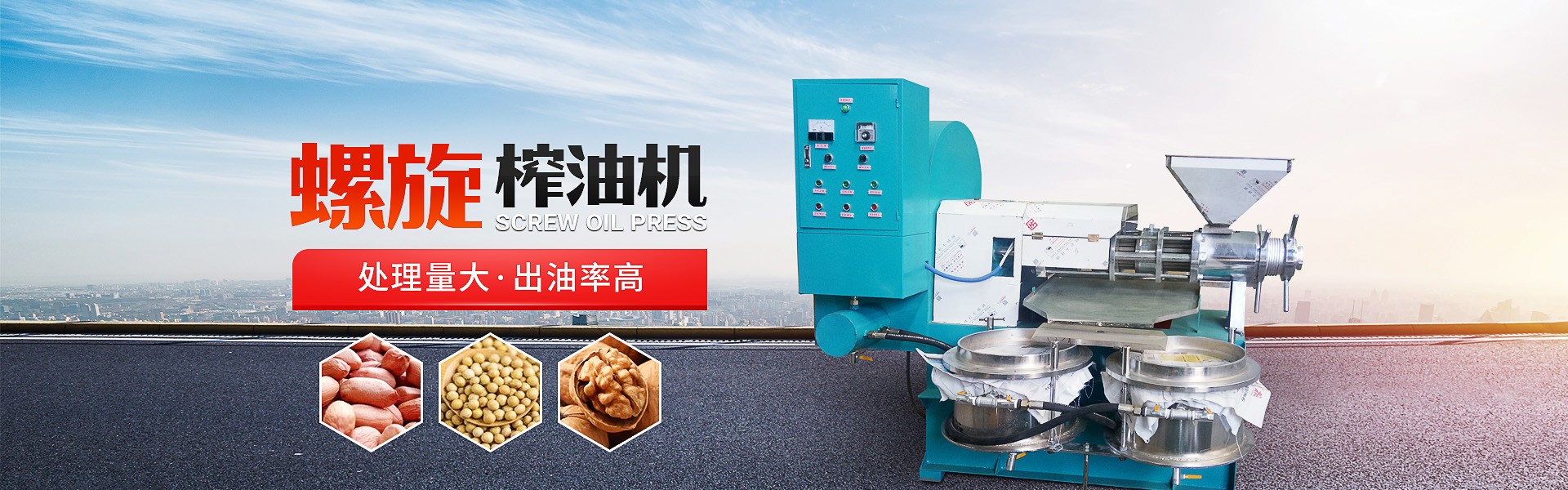
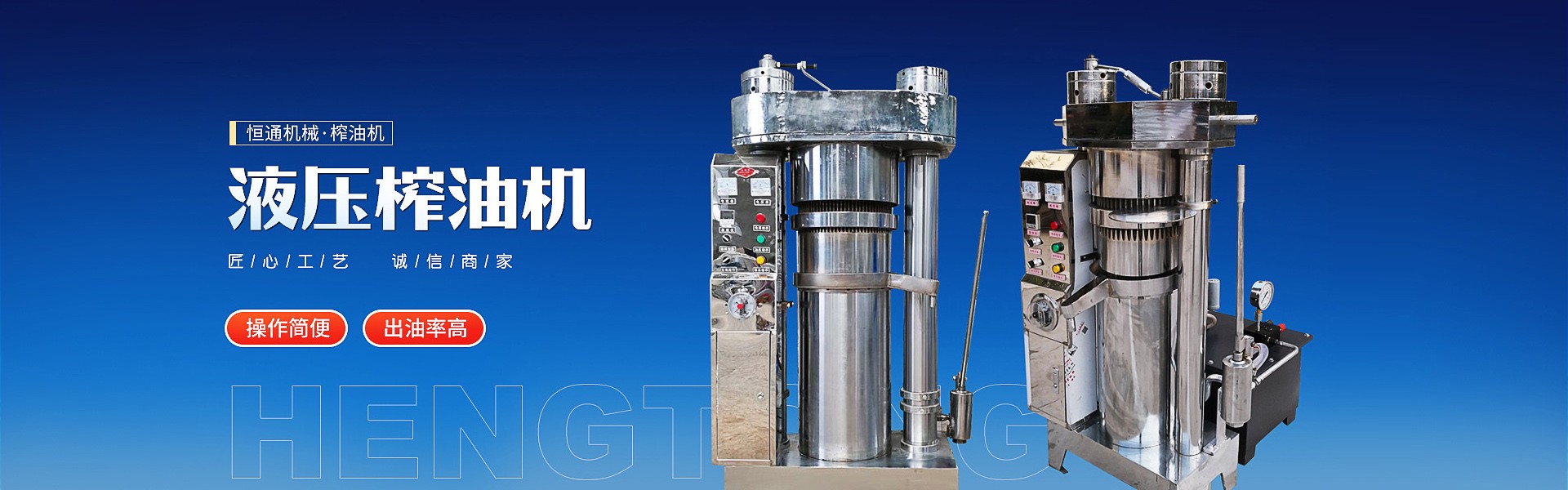
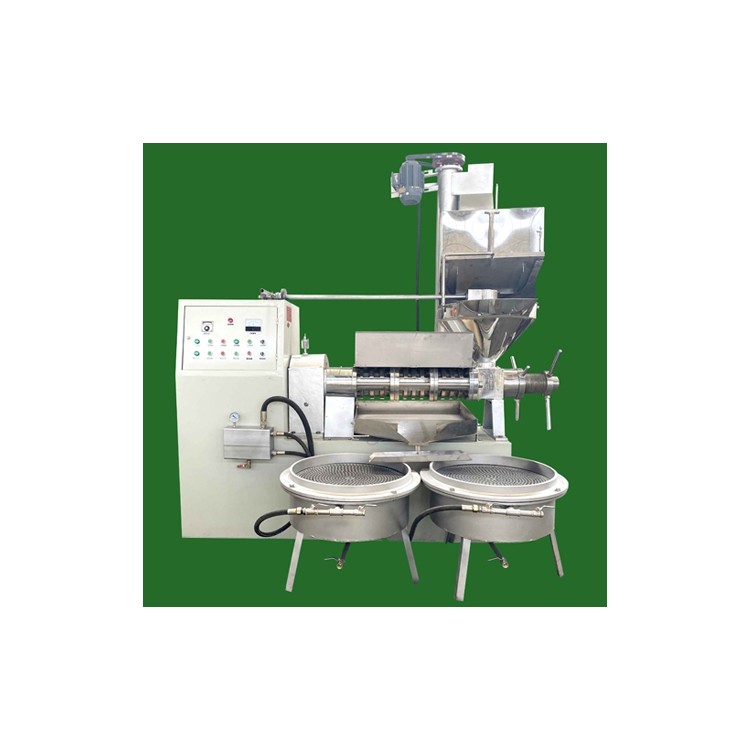
PeanutsOil ExtractorIt is specifically designed for peanut oil extraction.Oil Extractor EquipmentThe fully automatic peanut oil press features simple operation, low labor requirement, small footprint, fast efficiency, and high oil yield. It can be used for contract processing as well as in factory settings. It can press a variety of vegetable oils such as rapeseed, peanuts, soybeans, sesame, and oil sunflower seeds. The machine is microelectronically controlled, infrared heated, vacuum filtered, and triple-pressing, and is capable of hot pressing, making it an ideal equipment for individual processing. The peanut oil press, in essence, isSpiral Oil ExtractorIt is an advanced oil extraction equipment product. There are many types of peanut oil presses on the market, but the multi-functional spiral oil press is one of the more advanced ones. Its working process involves extracting oil from peanuts using high pressure, followed by a secondary filtration. The oil produced is relatively clean. The peanut oil press uses mechanical pressure to squeeze the oil from oil crops under high pressure, thereby achieving the purpose of oil extraction.

Peanut Oil Expeller Working Principle:
During the operation of the peanut oil press (screw oil press), the processed oil material enters the pressing chamber through the hopper. The screw rotates, continuously pushing the material inward for pressing. As the material is in motion within the press chamber, it generates significant frictional resistance between the material and the screw, as well as between the material and the chamber walls, creating relative motion. Additionally, due to the increasing diameter of the screw's root and the decreasing pitch, the screw not only pushes the material forward but also flips it outward while the material layer adjacent to the screw threads rotates with the shaft. This results in each material particle moving at different speeds and directions within the chamber, with relative motion between particles. The heat generated by friction meets the heat requirements of the oil pressing process, facilitating the heat denaturation of proteins, destroying colloids, enhancing plasticity, and reducing viscosity, which aids in the extraction of oil. Consequently, the oil yield of the peanut oil press is increased, allowing oil to be pressed out of the material and flow out through the circular and slotted gaps.

Peanut Oil Press Efficiency Reference Chart
Name | Weight(kg) | Oil yield(%) | Oil Production | Product Bread |
Peanuts | 200 | 42-53Please provide the Chinese content to be translated.48%Please provide the Chinese content to be translated. | 96 | 102 |
Soybeans | 200 | 12-18As per15%Count | 30 | 168 |
Rapeseed | 200 | 32-43Please provide the Chinese content that needs to be translated.38%Count | 76 | 122 |
Oil sunflower | 200 | 36-42Please provide the Chinese content that needs to be translated into American English.41%Please provide the Chinese content you would like translated into American English. | 76 | 122 |
Sesame | 200 | 45-54Please provide the Chinese content you would like translated into American English.50%Please provide the Chinese content you would like translated into American English. | 96 | 102 |
