




 通过中商114认证

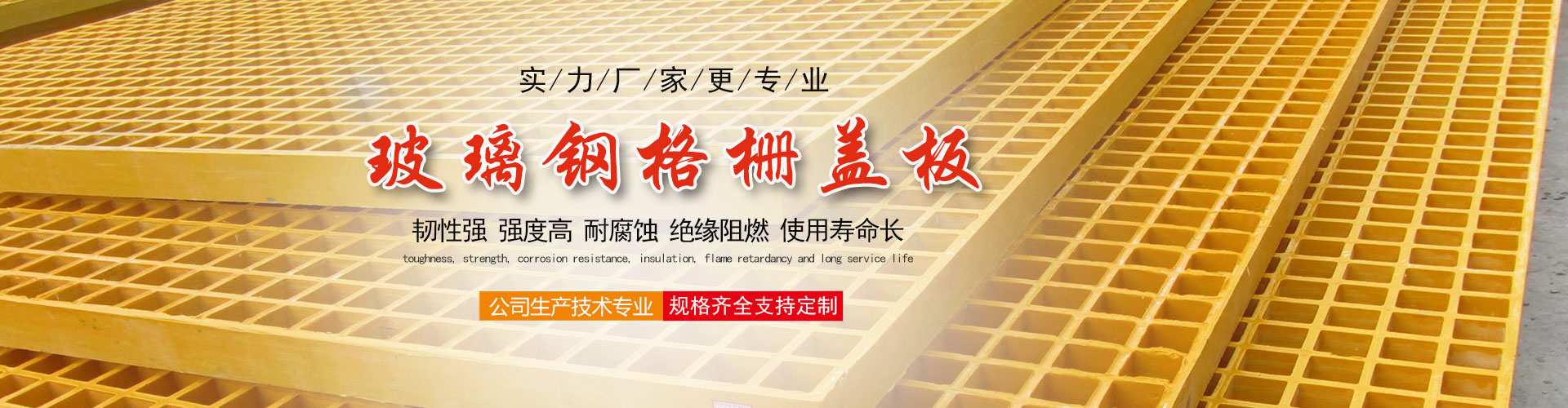
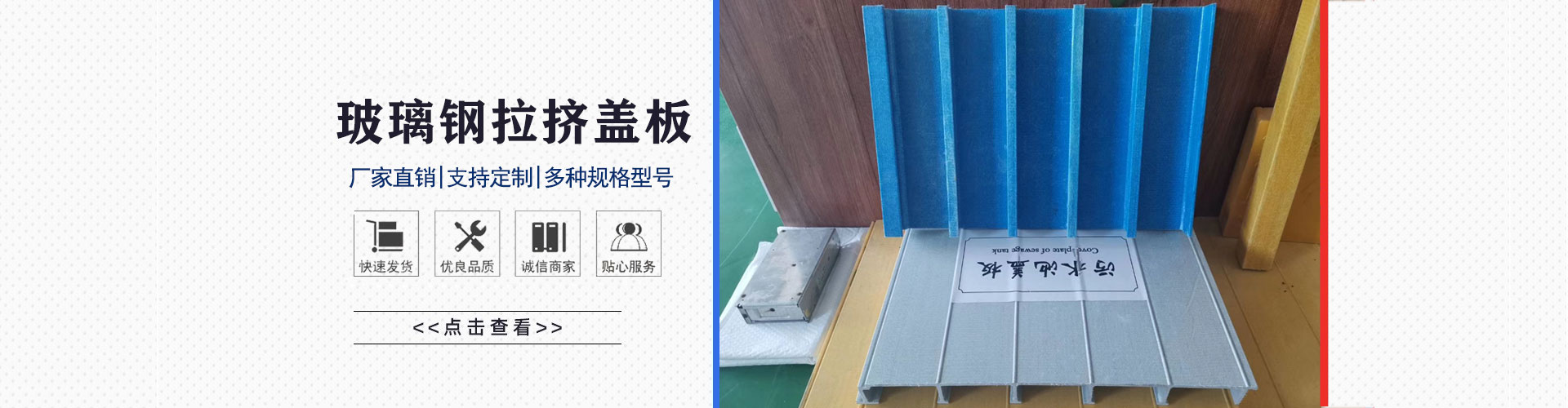
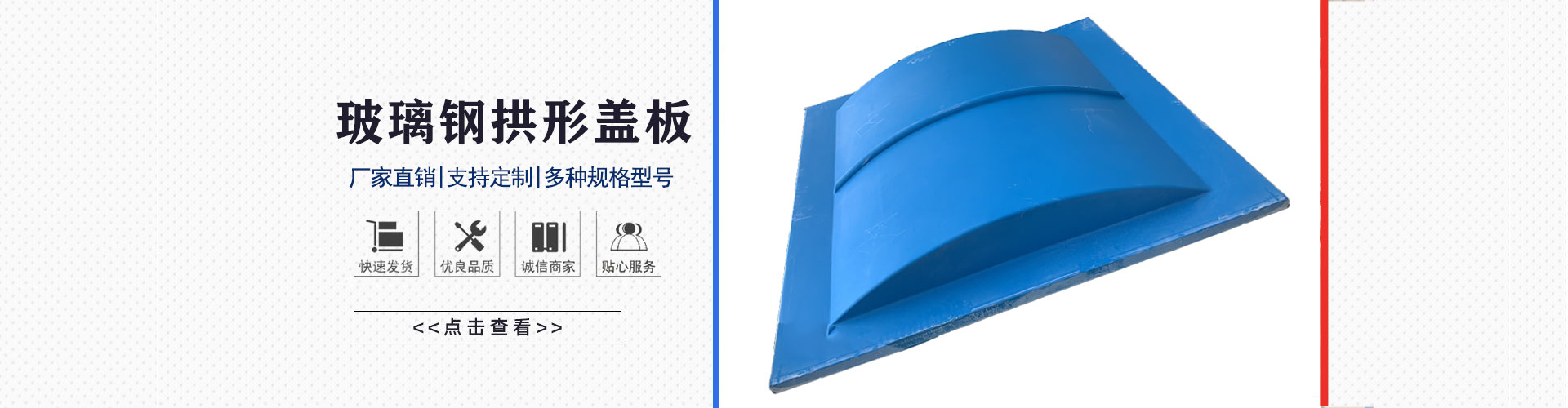
Glass-fiber reinforced channel gratings are specifically designed for laying in trenches, primarily utilizing their high strength, corrosion resistance, acid and alkali resistance, insulation, and flame-retardant properties.
Water Treatment: Inspection Walkways, Underground Drainage Covers, Large Containers, Cleaners, Silt Traps, Flow Channels, Biochemical Water Treatment Pool Fixtures, Ventilation Windows, Stairs, Cooling Tower Control Stations
Chemical Plant: Stair Treads, Operating Platforms, Guardrails, Double-Sided Floors, Ground-to-Ground Manhole Covers, Filter Grates
Oil Industry: Offshore Oil Platform Textile Factory: Replacing metal grates, wooden platforms, and covering cement ground, dyeing tanks, floors, and near valves, etc. Power Plant: Chemical water workshop ground manholes, wastewater pools, etc.
Metal Surface Treatment: Acid washing facility areas, machine surroundings, high-corrosive container perimeters, electroplating line walkways, double-layered flooring
Ocean Food Processing Plant: Slippery Surfaces and Harsh Conditions, Aboard Ships
Transportation Industry: Platform, Deck, Walkway, Stair Tread
Beverage Industry: Tread Plates, Cost-Effective Alternative to Expensive Stainless Steel, Load-Bearing Floors? Pulp and Processing Plants; Tread Plates and Floors, Walkways, Areas with High Humidity
Electronics Industry: Ground-level manhole covers, pickling workshops, antistatic (static-dissipative grating) areas, and high-purity cleanrooms for meat processing
Manufacturing Facilities: Corrosion-resistant floors, staircases, slippery workbench surfaces, and staircase treads. Additional Products: Corrosion-resistant shelves, decorations, plaza fountains, scaffolding, civil construction equipment, farming enclosures, and double-deck floors.
Many chemical factories have numerous operation platforms, which are constructed using glass fiber reinforced plastic grating as the surface material. These platforms are corrosion-resistant, do not require painting, necessitate minimal maintenance, and have a long service life, typically lasting up to 15 to 20 years.
Inspection Steps for Glass Fiber Reinforced Plastic (GFRP) trench grating upon arrival:
1. Gutter grates should be uniformly marked with specifications, production date, batch number, and quality mark. Inspection quantity: full inspection.
2. The trench grating must not have defects such as missing edges, uneven corners, warping, or raised ribs; the surface of the components must not have exposed steel, rough surfaces, peeling, sanding, or stains; and the angle steel surface must be free of burrs, zinc spots, zinc shedding, exposed iron, zinc slag, and zinc ash. Inspection quantity: full inspection.
The dimensions of the reinforced concrete cover plates should conform to the specified requirements.
4. Inspect the width and height of the support base.
Inspection Quantity: Full Inspection.
Inspection Method: Steel ruler used.
5. Inspect the quality certification documents for trench grating, which primarily includes raw material certification, test reports, compression test reports for test blocks, and records of reinforcement layer testing for trench covers.
Precautions for installing glass fiber reinforced plastic grating trench grating:
Between installations, both side walls should be constructed, usually with concrete being the preferred material for the side walls.
Compared to glass fiber reinforced plastic grating, concrete offers greater stability, and the base of glass fiber reinforced plastic grating is not as substantial.
Based on the trench dimensions, the fiberglass trench covers are cut reasonably, after which they can be laid down.
To maintain the stability of the trench grate, it is advisable to make reasonable concave and convex arrangements on the concrete surface. Additionally, some fixed measures can be taken on the surface of the concrete wall, which is slightly more complicated than the concave and convex treatment.
