


Five-Lotus marble is quite common in our daily life, with a wide range of applications. Next, the editor will introduce to you the methods for judging the quality of Five-Lotus marble.
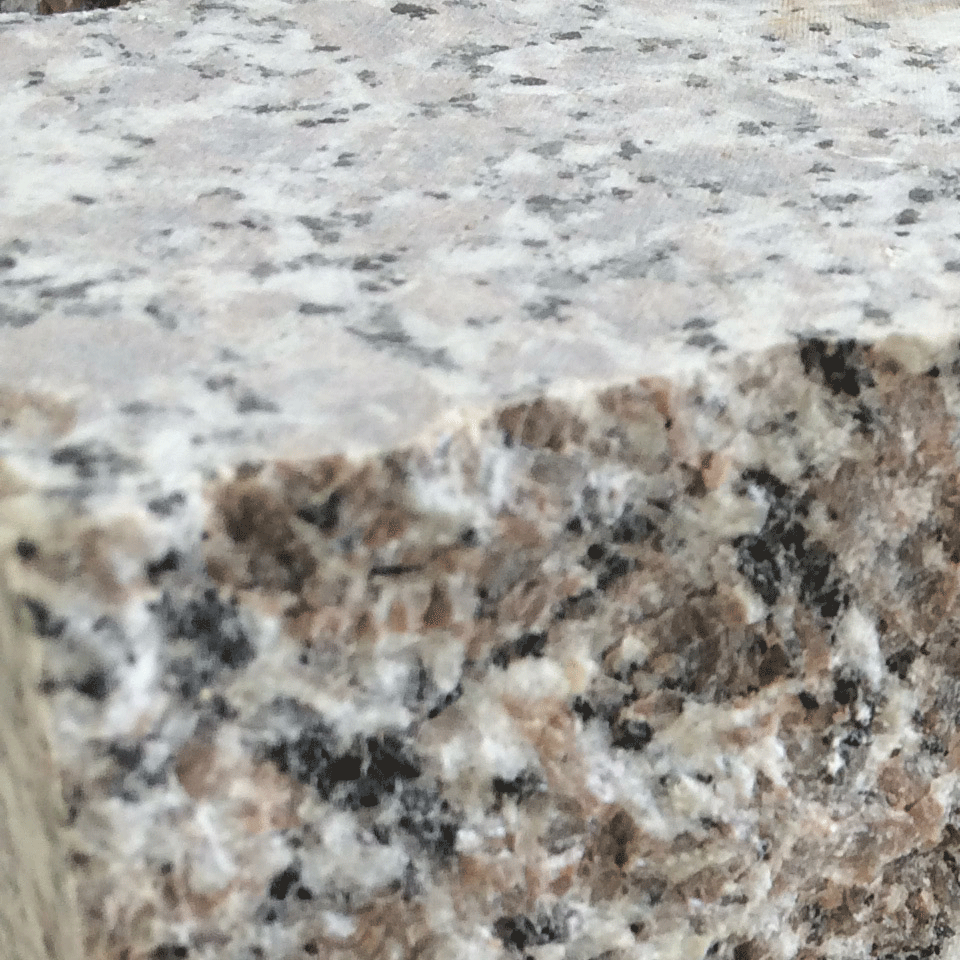
One observes, through the naked eye, the surface structure of the stone. Generally speaking, stones with a uniform fine-grained structure possess a delicate texture and are considered high-quality; those with coarse grains or uneven grain structures have a poorer appearance and inconsistent mechanical properties, indicating lower quality. Additionally, due to geological influences, natural stones often contain fine veins and micro-fissures, which can lead to fractures along these areas. These should be carefully removed. The lack of sharp edges and corners also affects aesthetics, so particular attention should be given to this during selection.
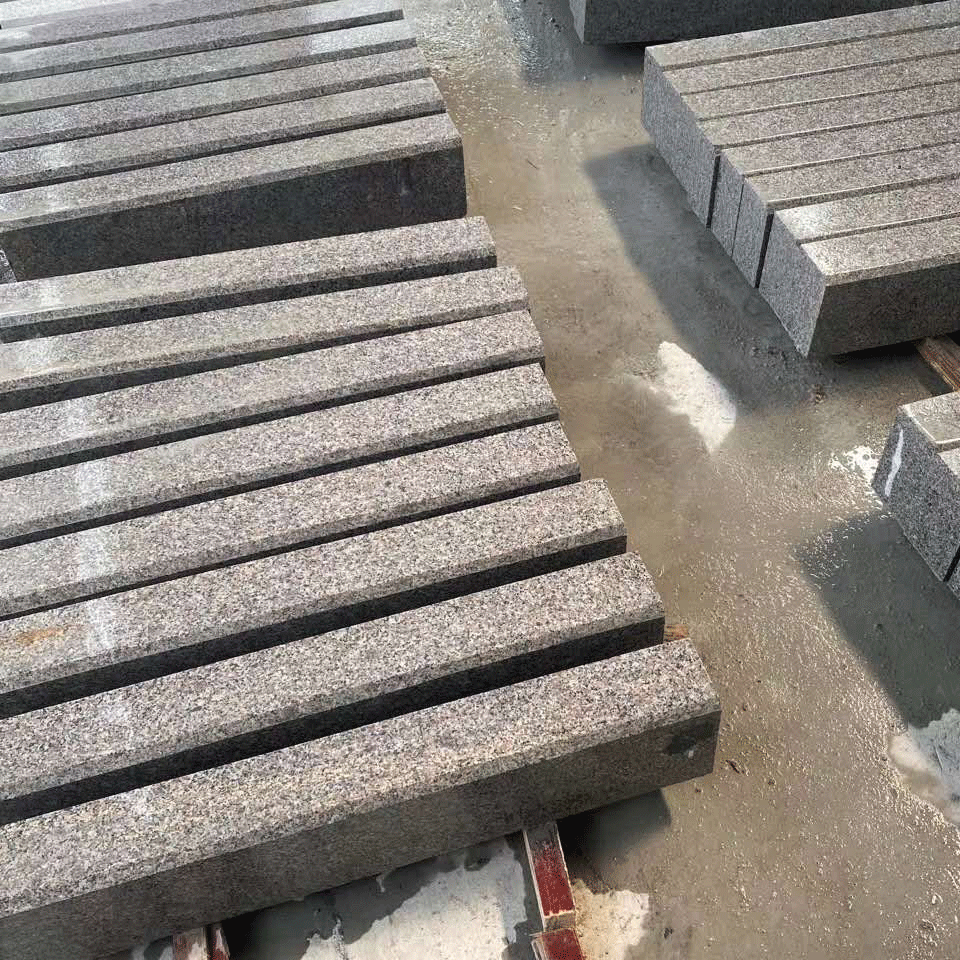
Two measures, or the size specifications of the stone, should be taken to avoid affecting the jointing or causing distortion in the patterns, motifs, or lines after jointing, which may impact the decorative outcome.
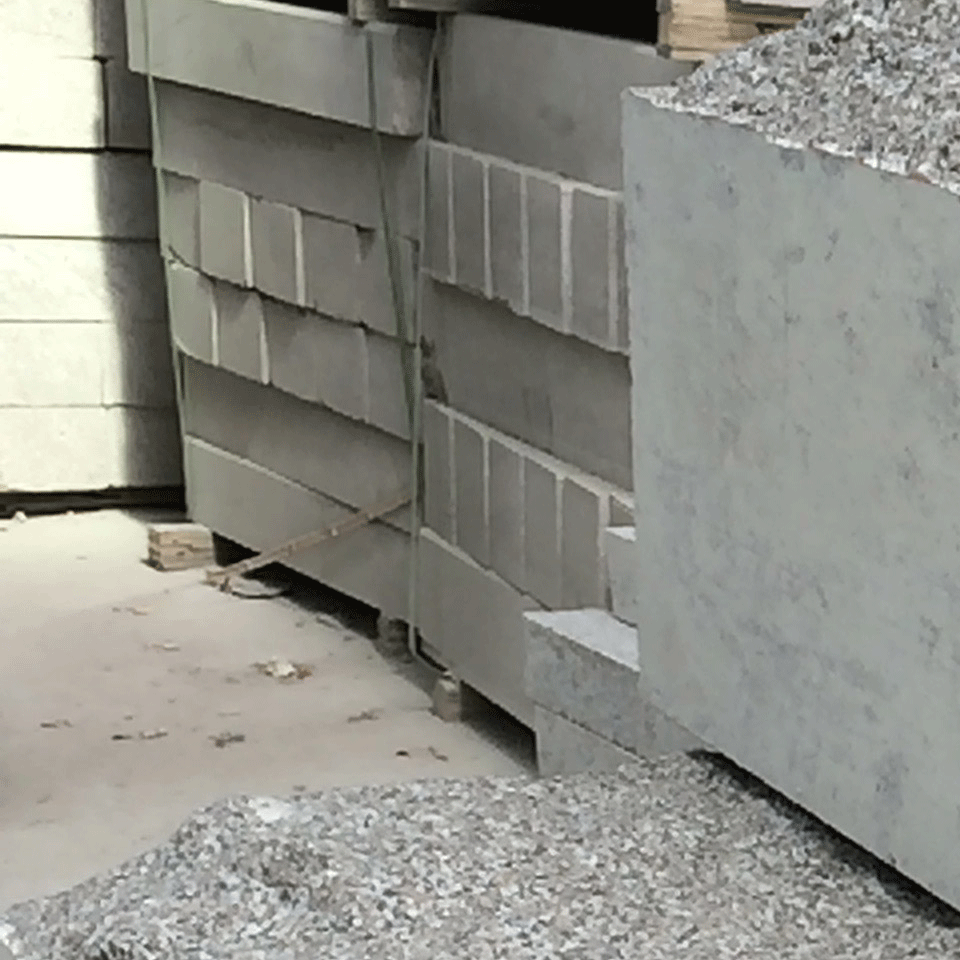
Listen three times, by striking the stone to hear its sound. Generally, high-quality stone with dense, even internal structure and no microscopic cracks emits a clear, pleasing sound when struck. Conversely, if the stone contains microscopic cracks or veins, or if the particles have become loose due to weathering, the sound will be rough and muffled.
Four trials, which involve simple testing methods to "evaluate" the quality of stone. Typically, a small drop of ink is placed on the back of the stone; if the ink quickly spreads and seeps out, it indicates that the stone's internal particles are loose or there are microscopic cracks, signifying poor stone quality. Conversely, this suggests the stone is dense and of good texture.
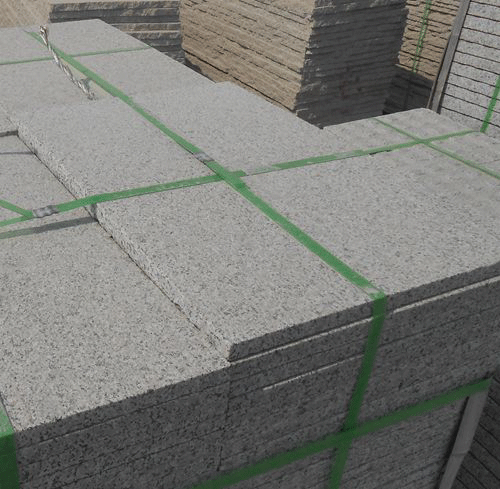
The above four points are the methods to judge the quality of five-leaf lotus. Our products are guaranteed. Contact us promptly! We eagerly await our collaboration with you!
