

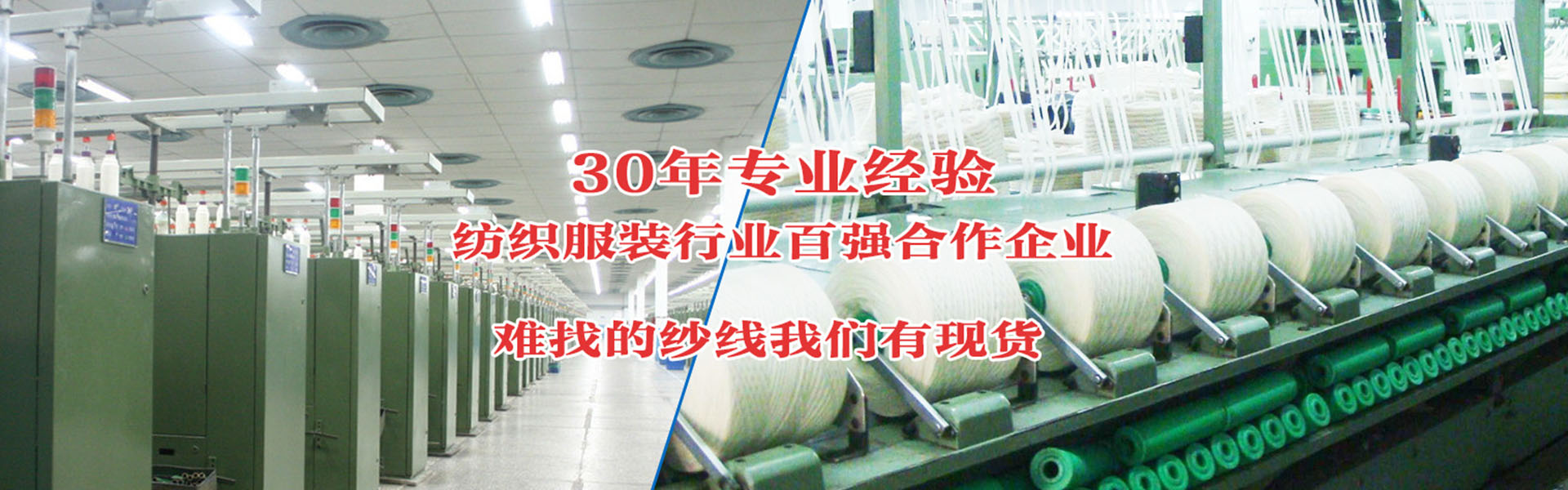



High tenacity yarn, low tenacity yarn, untwisted yarn, high strength yarn,涡流纺yarn, reverse twist yarn, bamboo yarn, and other "specialized, refined, unique, and innovative" yarn varieties. Offering premium cotton (BCI), organic cotton (GOTS, OCS), recycled cotton, polyester (GRS), African cotton, and Pima cotton yarns along with certificates. Hard-to-find yarns, we have them in stock.
Henan QiangNian (Wei Shu He Sheng) Product Hotline: 13903781186, Mr. Liu
Due to the complex and time-consuming pre-treatment process of bast fibers, which includes moisture conditioning and pre-opening, as well as the high technical requirements and equipment damage, it is generally difficult for cotton spinning factories to venture into this field. In response, the China Textile Research Institute initiated the research and development of Lyocell fiber domestication technology and product development in 2005, achieving notable results in the environmentally friendly utilization of bamboo and bast resources. Similar to bamboo fibers, bast fibers are divided into bast primary fibers and bast pulp粘胶 fibers made from bast as the cellulose source. Bast primary fibers are obtained through mechanical separation, flash explosion processing, and chemical degumming extraction, just like bamboo primary fibers. Bast pulp粘胶 fibers are regenerated cellulose fibers produced by wet spinning, with waste that can be naturally biodegradable. Currently, there are bast fibers, ramie fibers, mohair fibers, and silk-bast fibers, among others. By the way, it's worth noting that when a product name is accompanied by a TM symbol at the top right, it differs from the trademark ®. TM indicates that the trademark has been applied to the National Trademark Bureau and a "Notice of Acceptance" has been issued to prevent others from submitting duplicate applications. Shangma TM is produced by Hebei Jigao Fiber, using raw materials such as yellow and red ramie, hemp, and flax, and is manufactured through processes like steaming, bleaching, gelatinization, spinning, and post-treatment, preserving the antibacterial properties of bast. Laima TM (Jilin Fiber), with a sawtooth-shaped cross-section and grooves running longitudinally, features a high wet modulus, more than three times that of ordinary cellulose fibers, and is less prone to deformation. Masesel TM (Jutecell恒天海龙), produced from jute, is a differentiated粘胶 fiber that retains the hollow shape of the original bast, maintaining antibacterial and antifungal properties, as well as moisture absorption and quick-drying. Shisima TM (Shandong Yin Ying), based on bast pulp fibers, utilizes ultra-fine powder technology to incorporate silk protein powder as a carrier, forming modified bast pulp protein cellulose fibers through crosslinking and blending techniques. This overcomes the shortcomings of粘胶 fibers, which are soft and lack a framework, providing both the手感 and luster of silk and the texture of bast.
Specialty yarns such as high twist, low twist, untwisted, high tenacity,涡流纺, reverse twist, and bamboo yarn. Offering fine cotton (BCI), organic cotton (GOTS, OCS), recycled cotton, polyester (GRS), African cotton, and Pima cotton yarns with certificates. Hard-to-find yarns, we have them in stock.
Henan QiangNian (Wei Xian He Sheng) Product Hotline: 13903781186, Mr. Liu

