

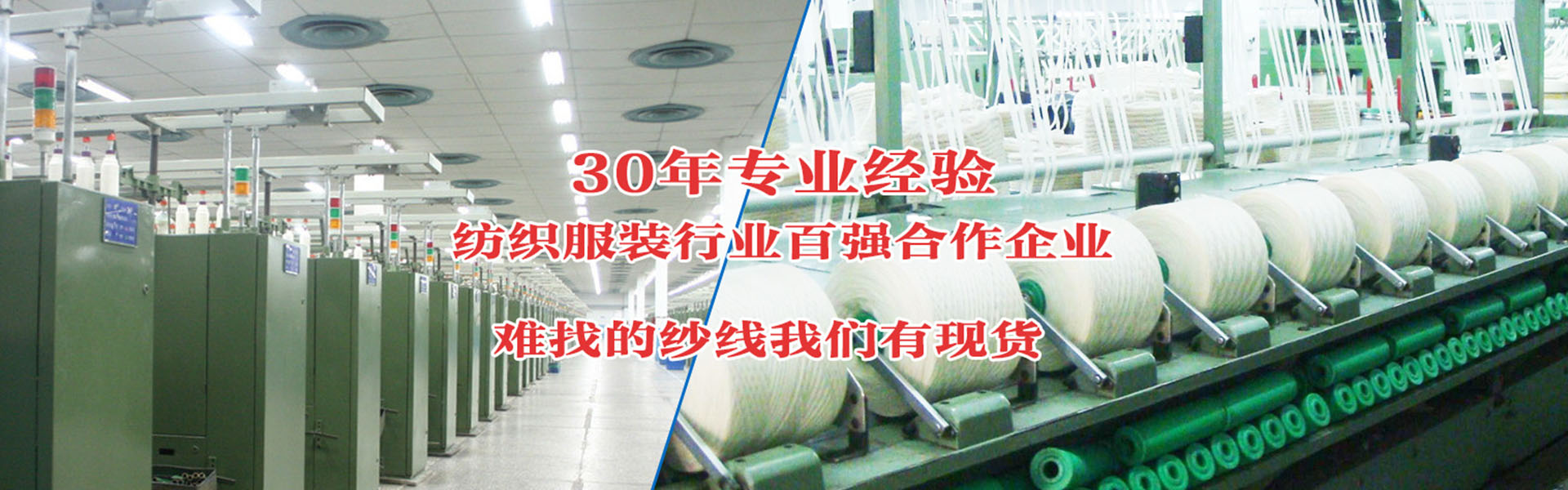


High twist, low twist, untwist, high strength, vortex spun, reverse twist, bamboo twist yarns, and other "specialized, refined, unique, and innovative" yarn varieties. Offering superior cotton (BCI), organic cotton (GOTS, OCS), recycled cotton, polyester (GRS), African cotton, Pima cotton yarns, and certifications. Hard-to-find yarns, we have them in stock.
Henan QiangNian (Wei Shu He Sheng) Product Hotline: 13903781186, Mr. Liu
Home textile products, known as "soft decorations" in interior decoration sets, play a decisive role in creating and transitioning environments. Home textiles can be categorized into eight main types: Towels (including bath towels, beach towels, and floor towels), Quilts (sheets, duvet covers, pillowcases, etc.), Blankets (various woolen, plush, carpet, and wall carpets), Handkerchiefs, Ribbons (tassels, trimmings, etc.), Curtains (all types of window curtains, bath curtains, etc.), Bags (letter holders, clothing bags, storage bags, etc.), and Kitchen Linens (tablecloths, napkins, aprons, cleaning cloths), as well as upholstery sofas and various cushions. When consumers choose home textiles, they should prioritize brand, materials (such as fiber composition), and environmental factors (such as dyes) over price and style. Manufacturers must also clearly state the correct usage and washing methods when labeling materials and dyes. Common materials used in home textiles include cotton, linen fibers, other natural fibers, cotton-polyester blends, and other synthetic fibers.
High-quality home textiles retain their color even after numerous washes and prolonged exposure to sunlight.
Dyes in some textiles can be carcinogenic, so it's advisable to choose light-colored, white bedding for close contact, and select color-fast home textiles for other uses.
Children's bedding items such as bedspreads, blankets, and quilts in home textiles should be made of 100% cotton and solid colors.
Textile features to consider include: bedding with antibacterial properties, sofa covers with stain-resistant capabilities, curtains that can protect against UV rays, and flame-retardant fabrics for public places like hotels.
High formaldehyde content in textiles can irritate mucous membranes, so when choosing wrinkle-free products, be mindful of their formaldehyde levels. Green textiles are not those of green color; rather, they refer to eco-friendly textiles, which use materials that are harmless or minimally harmful to the environment. However, not all natural fiber fabrics are green textiles.
Linen home textiles are highly valued for their moisture-wicking and heat-dispersing properties, making them comfortable for use during summer or as bedding. Hollow fiber is favored for its excellent performance, including its lightweight, insulating, high elasticity, and strong resilience. The quality and price of the fiber are referenced by the "holes" within it, such as "nine-hole quilt" being superior and more expensive than "three-hole quilt." Consumers base their decision on the cost-performance ratio.
Specialty yarns including strong twisted yarn, low twisted yarn, untwisted yarn, high strength yarn,涡流纺, anti-twisted yarn, bamboo yarn, etc. Offering good quality cotton (BCI), organic cotton (GOTS, OCS), recycled cotton,涤纶 (GRS), African cotton, and Pima cotton yarns along with certificates. Hard-to-find yarns, we have in stock.
Henan QiangNian (Wei Xian He Sheng) Product Hotline: 13903781186, Mr. Liu
