

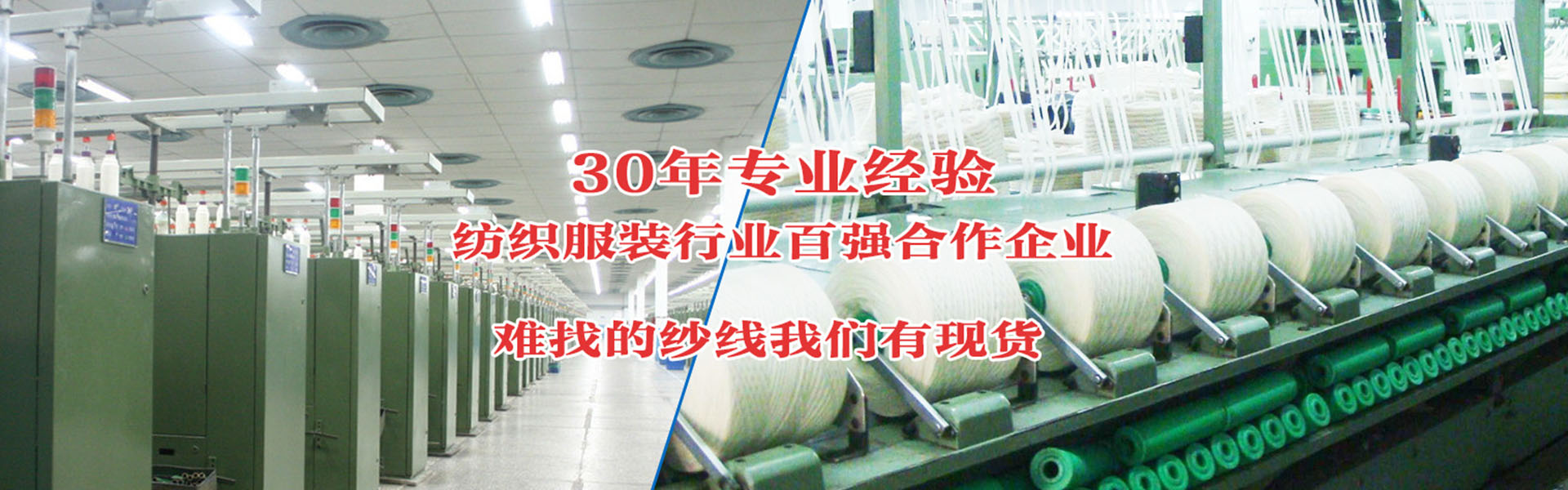


Specialty yarns including high twist, low twist, untwisted, high tenacity,涡流纺, reverse twist, and bamboo yarn. Offering premium cotton (BCI), organic cotton (GOTS, OCS), recycled cotton, polyester (GRS), African cotton, Pima cotton yarns, and certifications. Hard-to-find yarns, we have in stock.
Henan QiangNian (Wei Shu He Sheng) Product Hotline: 13903781186, Mr. Liu
The snag resistance of fabrics refers to the phenomenon where fibers and yarns are pulled out from the fabric surface due to snags. Snagging in fabrics primarily occurs in filament yarn fabrics and knitted fabrics. It not only significantly deteriorates the appearance of the fabric but also affects its durability.
Factors affecting the snaggability of fabrics include fiber properties, yarn properties, fabric structure, and finishing processes: 1. Fibers with circular cross-sections are more prone to snags compared to those with non-circular cross-sections. Long fibers are more likely to snag than short fibers. Fibers with higher elongation and elasticity can mitigate snagging. This is because when the fabric is caught by rough or sharp objects, fibers with greater elongation can absorb the force through their own deformation. Once the force is released, they can partially recover due to their good elasticity. 2. Yarn properties Fabrics with tight yarn structures and even yarns are less likely to snag. Adding some twist to the yarn can reduce snagging. Woven fabrics are more prone to snags than knitted fabrics. High bulk yarn is more prone to snags than low bulk yarn. 3. Fabric structure Fabrics with tight structures are less prone to snags due to the fibers being tightly bound, making them less likely to be snagged. Smooth-surfaced fabrics are less prone to snags because rough or sharp objects are less likely to catch the fabric's weave points. 4. Post-finishing processes Heat setting and resin finishing can make the fabric surface smoother and flatter, improving snagging. The above mainly concerns woven fabrics. Knitted fabrics have different structures from woven fabrics, resulting in certain differences in properties. The unique features of knitted fabrics, such as their tendency to shed, curl, skew, and lateral extensibility, greatly affect their quality and wearing performance. Attention must be given to the selection of raw materials, yarn twist, and knitting process design to maintain the good appearance and wearing performance of knitted fabrics.
"High twist, low twist, untwisted, high tenacity,涡流纺, reverse twist, and bamboo yarns, among other "specialized, refined, unique, and innovative" yarn varieties. Offering premium cotton (BCI), organic cotton (GOTS, OCS), recycled cotton, polyester (GRS), African cotton, and Pima cotton yarns with certificates. Hard-to-find yarns, we have in stock."
Henan QiangNian (Wei Xian He Sheng) Product Hotline: 13903781186, Mr. Liu

