

The export structure of bending machines shows no significant improvement, while the export of metalworking machine tools is on a straight upward trend, with numerical control metalworking machine tools growing by over 66%. Among them: the export growth of numerical control special-purpose machine tools, CNC lathes, CNC boring machines, CNC gantry milling machines, and CNC press brakes all exceed the overall growth rate of the bending machine.
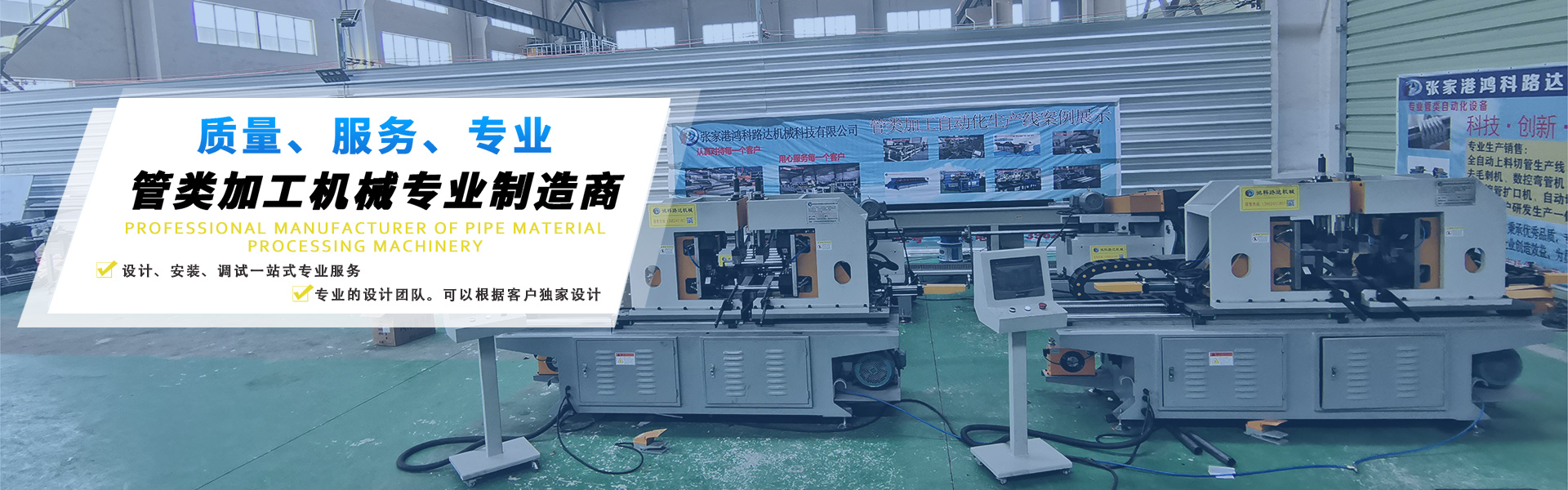
In our daily lives, pipe fittings are widely encountered, with a vast range of applications. Defining pipe fittings, I believe that any product produced through deep processing of pipe materials should fall under the category of pipe fittings. Pipe processing machinery, such as bending machines in our country, specializes in bending pipes and pipe fittings into arc-shaped elbows suitable for customer requirements. In Japan, pipe fittings, being products made from pipes through deep processing, possess dual characteristics of both pipes and mechanical components, representing a combination of the two. Pipes are the essential raw material for pipe fittings, but there are numerous processing methods available, as any mechanical processing technique can be applied. The rapid development of pipe fittings abroad, I believe, can be attributed to two significant advantages: first, they can replace some machined products, and are lighter in weight, saving materials compared to machined parts, castings, and structural components; second, they save on工序 (process steps) and labor hours, thereby reducing the cost of the workpiece. There are many types of pipe fittings, which can be summarized into the following main categories: variable diameter pipe fittings, which refer to a reduction in diameter at the end or a certain part of the pipe; and variable wall thickness pipe fittings, which refer to changes in wall thickness along the length of the pipe.
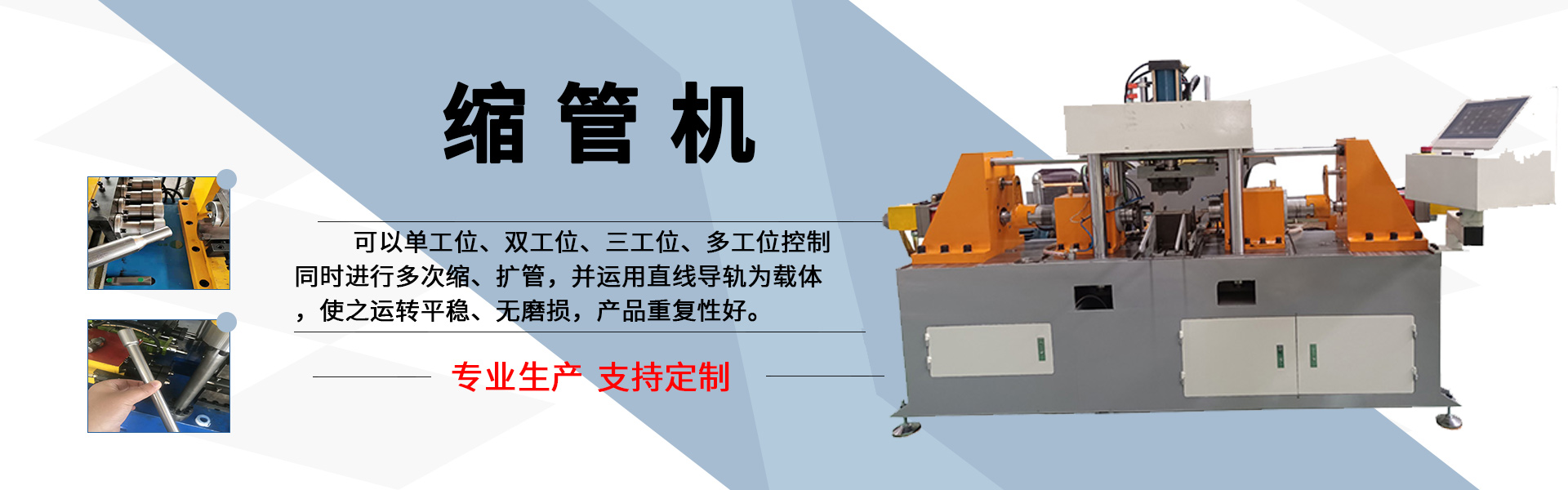
Pipe fittings with altered cross-sections, as required, convert circular sections into square, elliptical, polygonal, and so on; bent pipe fittings, which we encounter frequently, involve transforming straight pipes into弯管 of various curvature radii, such as elbows and bends; flanged and rounded pipe fittings, the former refers to the tube ends protruding inward or outward, and the latter to fittings with raised or grooved sections along the circumference of the tube; rolled and sealed-end pipe fittings, which increase the overall strength of the tube ends by rolling edges outward or inward or sealing the ends of the pipe fittings; expanded diameter pipe fittings, which expand the ends or certain parts of the pipe fittings to form various shapes according to specifications; there are many methods for processing pipe fittings. Many of them fall under the category of mechanical processing, with the most commonly used being stamping, forging, roller machining, rolling, bulging, stretching, bending, and combined processing methods. Pipe fitting processing is a combination of machine processing and metal pressure processing. Here is an example: Hydraulic bending method: The tube material is placed in the bending machine mold using hydraulic power to bend the tube into an arc, resulting in a good appearance without deformation. Hydraulic press bending method: The tube material is accurately placed on the press bending machine, using a mold and pressure plate to bend the tube, yielding good results with a wide area of material for processing.
