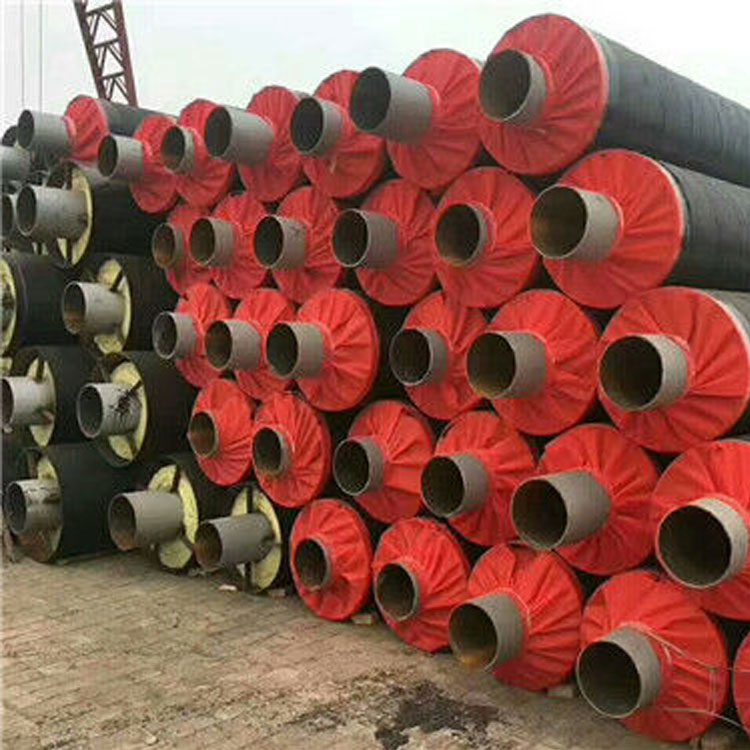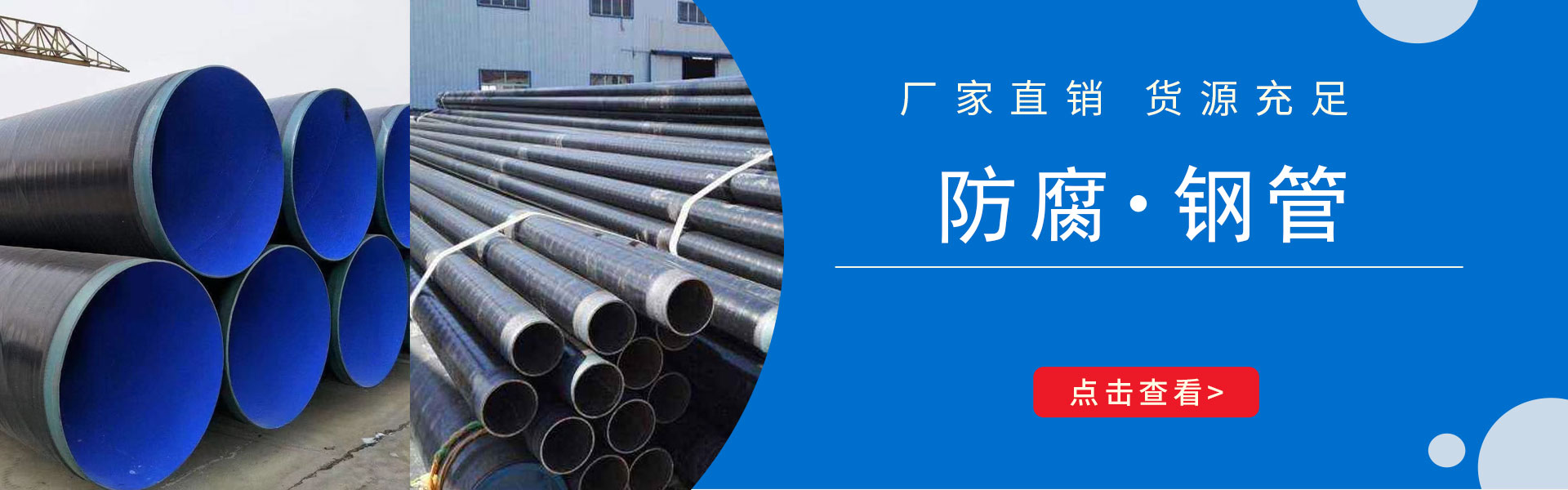
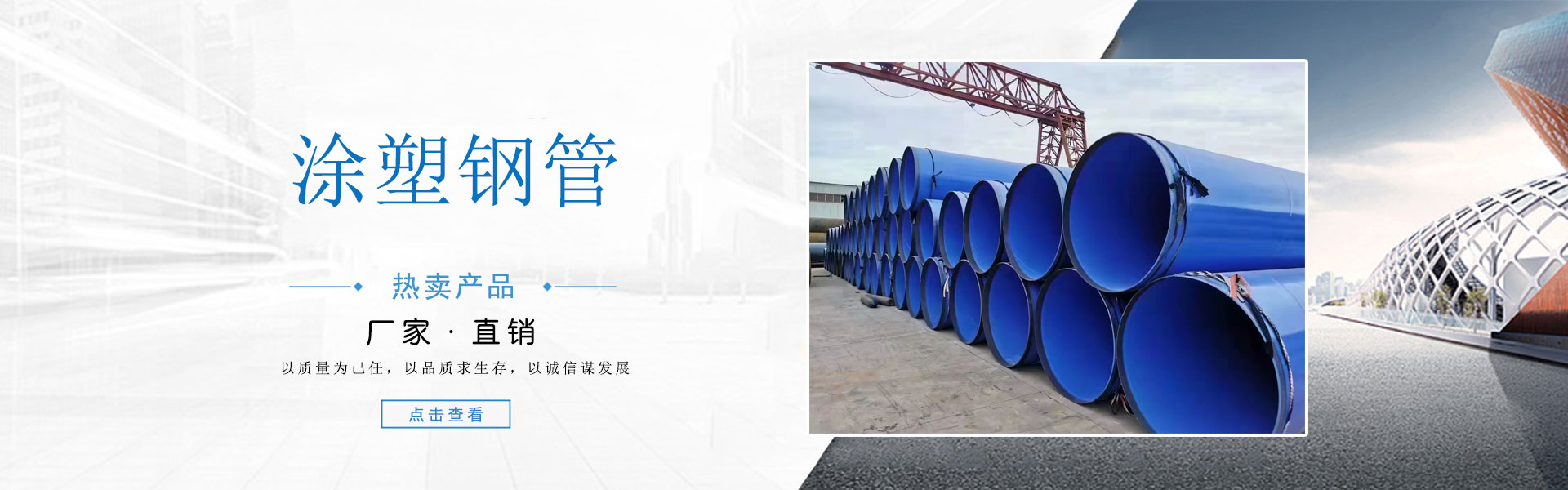
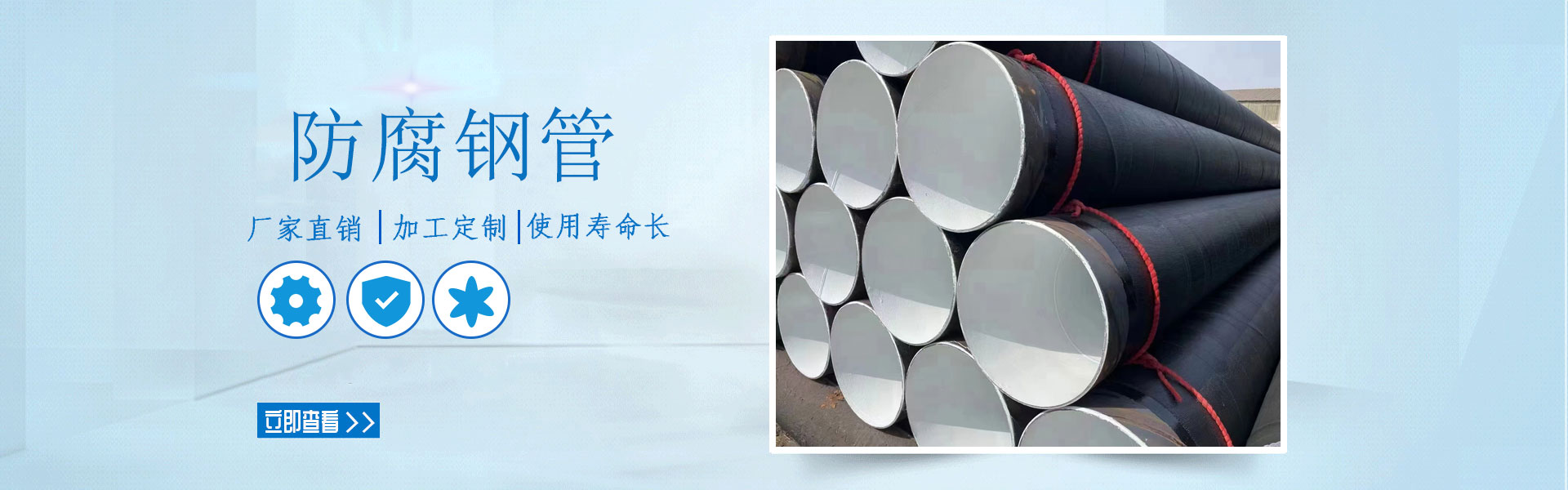

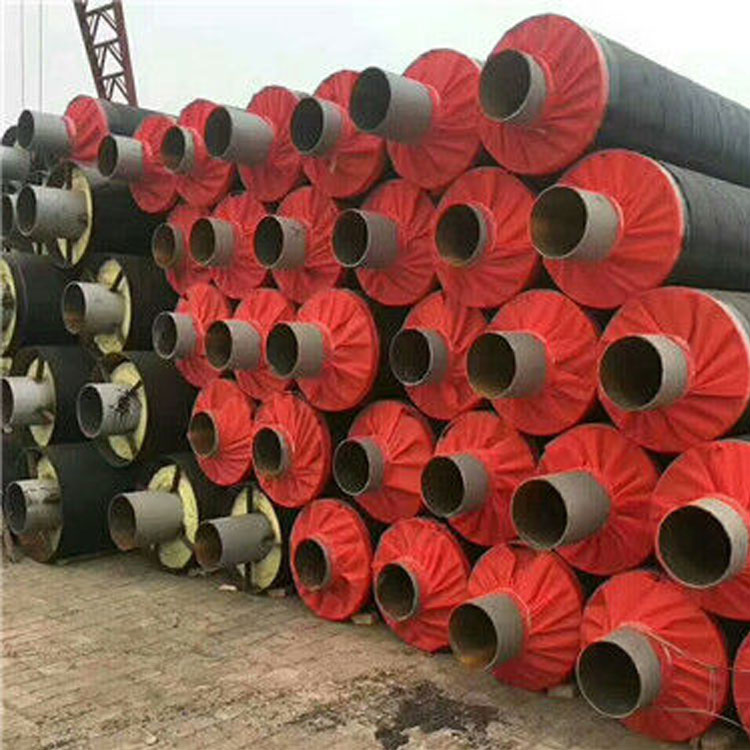

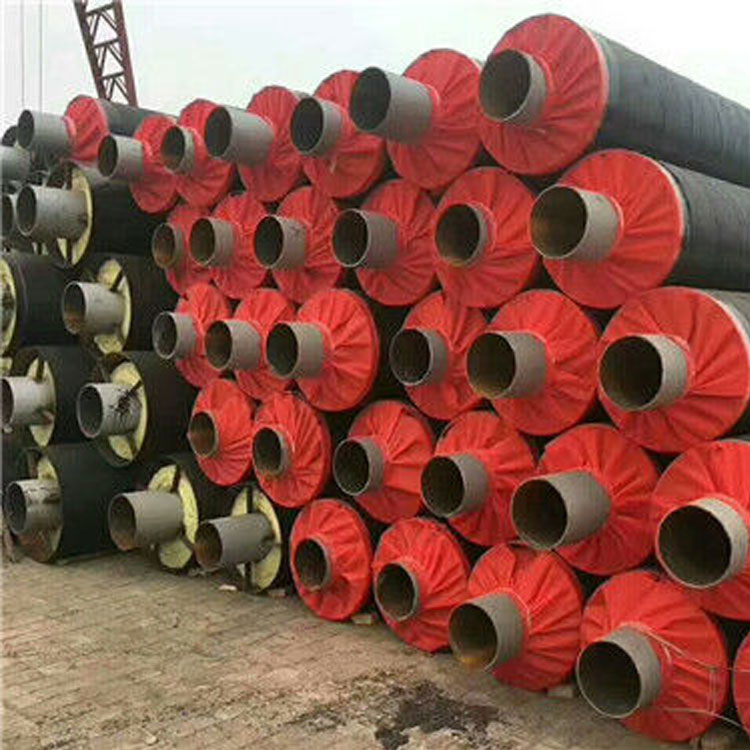
Insulated steel pipes are steel pipes that have undergone heat preservation processing, ensuring that the internal temperature of the working pipe meets or reaches the required temperature in various working environments and the action of external media. They are widely used in pipeline networks for the transportation of liquids and gases, in insulation projects for chemical pipelines, petrochemical industries, centralized heating networks, central air conditioning ventilation pipes, and municipal engineering projects. Steel-clad steel composite insulated pipes
Steel-clad steel composite thermal insulation pipes can be divided into two main categories based on different sliding methods:
1. Internal sliding type: The thermal insulation structure is composed of working steel pipe, aluminum silicate, drag-reducing layer, micro-porous calcium silicate, insulation layer, stainless steel fastening steel strip, aluminum foil reflective layer, polyurethane insulation layer, outer steel pipe, and outer anti-corrosion layer. The internal sliding type insulated steel pipe is made up of a steel pipe for conveying medium + composite silicate or micro-porous calcium silicate + rigid polyurethane foam plastic + outer steel pipe + glass fiber reinforced plastic shell anti-corrosion protective layer. The thermal insulation treatment technology for various pipe joints is mature and reliable.
2. External Sliding Type: The thermal insulation structure is composed of working steel pipe, glass wool thermal insulation and heat preservation layer, aluminum foil reflective layer, stainless steel fastening steel strip, sliding guide bracket, air thermal insulation layer, outer protective steel pipe, and outer anti-corrosion layer.
External sliding insulation steel pipe structure: 1. Inner steel pipe 2. Zinc-rich primer 3. Sliding guide bracket 4. High-temperature resistant glass wool 5. Aluminum foil reflective layer 6. Air insulation layer 7. Outer steel pipe 8. Outer steel pipe corrosion protection layer
Steel-clad steel composite thermal insulation pipes are a type of underground buried pipeline. They can be buried underground without a concrete structure, with the thermal expansion of the working steel pipe occurring inside the outer pipe, thereby reducing material costs, shortening construction time, and ensuring the safety of the heating pipeline. They can be widely applied in different temperature environments with enhanced safety, particularly suitable for high-temperature steam pipeline projects. The operating temperature can reach 150℃-450℃. The pipeline ends are generally sealed with polyethylene film or three-layer PE cold-skin tape to prevent moisture or water from entering before installation or during construction. The thermal insulation material is wrapped in multi-layer staggered packing, effectively reducing heat loss. Control measures are also taken on the outer jacket surface to prevent the formation of cold bridges, ensuring the temperature control of the anti-corrosion layer of the outer jacket. Multi-layer aluminum foil reflective layers are wrapped with thermal insulation material, further reducing heat loss and making the steam pipeline more economical and reasonable. The drainage system adopts a fully enclosed design, with flexible layout, reasonable structure, and high reliability.
The moisture drainage pipe on the steel sleeve pipe can effectively discharge moist gases and also serve as an alarm signal pipe for daily operation. The thermal compensation of the pipeline uses a bellows compensator, which is installed inside the sleeve and made in a direct-burying form, eliminating the need for observation wells, making construction operations convenient and shortening the construction period. Suitable for transporting steam or other media at pressures below 2.5MPa and temperatures below 350°C, this product features a steel pipe outer protective layer with high strength, durability, ease of construction and maintenance, and a long service life. Polyurethane insulated steel pipes are used on medium and small diameter hot oil transportation pipelines or heating pipelines to reduce heat loss to the soil by adding an insulating composite layer externally. The commonly used insulating material is rigid polyurethane foam plastic, with an applicable temperature range of -185 to 120°C. This material is soft in texture, and to enhance its strength, a layer of high-density polyethylene is applied externally to the insulation layer, forming a composite material structure to prevent groundwater from渗入 the insulation layer. The outer surface of the steel pipe is treated with shot blasting to remove rust and the inner surface of the outer protective pipe is treated with corona discharge technology using high-pressure polyurethane foam equipment to improve the bonding performance of the insulation pipe. The insulation material is a rigid polyurethane foam with a density of 60kg/m3 to 80kg/m3, which fully fills the gap between the steel pipe and the sleeve, and has a certain bonding strength, forming a firm integral structure among the steel pipe, outer sleeve, and insulation layer. Polyurethane foam has good mechanical and thermal insulation properties and can withstand temperatures up to 120°C under normal conditions. Through modification or combination with other insulation materials, it can withstand temperatures up to 180°C.
Pre-fabricated polyurethane insulated steel pipes are structured in three layers from the inside out:
One Layer: Working钢管Layer. Generally, seamless steel pipes, spiral steel pipes, and straight seam steel pipes are selected according to design and customer requirements. After being processed by advanced shot blasting rust removal technology, the surface rust removal grade of the steel pipes can reach Sa2 level according to GB/T8923-1988 standard, and the surface roughness can reach R=12.5 micrometers according to GB6060.5-88 standard.
Second Layer: Polyurethane Insulation Layer: Formed by injecting the liquid raw material of rigid polyurethane foam plastic into the cavity between the steel pipe and the outer sheath with a high-pressure foaming machine in one go, commonly known as "foamed pipe-in-pipe."
Layer 3: High-density polyethylene protective layer: Pre-fabricated black or yellow polyethylene plastic pipes with a predetermined wall thickness. Polyethylene is odorless, non-toxic, feels waxy to the touch, boasts excellent low-temperature resistance, with service temperatures as low as -70 to -100°C. It has good chemical stability, resistant to corrosion by most acids and bases (not resistant to oxidizing acids), does not dissolve in general solvents at room temperature, has low water absorption, but being a linear molecule, it can slowly dissolve in certain organic solvents without swelling. It offers excellent electrical insulation properties. Its functions include protecting the polyurethane insulation layer from mechanical damage and providing corrosion and waterproofing.
High-Density Polyethylene Polyurethane Foam Insulated Steel Pipes comply with standards SY/T114-2000 and SY/T115-2001.
Advantages and Features of Polyurethane Insulated Steel Pipe:
1. Reduce Construction Costs: According to relevant department estimates, generally, polyurethane-insulated steel pipes can reduce construction costs by approximately 25% (using glass fiber as the protective layer) and 10% (using high-density polyethylene as the protective layer).
2. Low thermal loss, energy-saving - The thermal conductivity of polyurethane is λ=0.013-0.03 kcal/m·h·°C, significantly lower than that of traditionally used pipe insulation materials, enhancing insulation effectiveness by 4 to 9 times. Additionally, its water absorption rate is very low, around 0.2 kg/m2. This low absorption rate is due to the closed cell structure of polyurethane foam, which is about 92%. The low thermal conductivity and low water absorption, combined with the protective shell made of high-density polyethylene or glass fiber with excellent waterproofing properties, alter the traditional condition of供热 pipelines being "wearing wet cotton jackets." This significantly reduces the overall thermal loss of the heating pipelines, with the heat network loss at 2%, far less than the international standard requirement of 10%.
3. Excellent corrosion and insulation properties, with a long service life. Due to the tightly adhered polyurethane rigid foam insulation layer on the outer surface of the steel pipe, it effectively prevents air and water infiltration, thus providing excellent corrosion resistance. Additionally, its foam cells are all closed, resulting in minimal water absorption. The high-density polyethylene and glass-fiber reinforced plastic shells both offer superior corrosion resistance, insulation, and mechanical properties. Consequently, the outer surface of the working steel pipe is resistant to external air and water侵蚀. As long as the internal water quality of the pipeline is well-managed, according to foreign data, the service life can reach over 50 years, which is 3 to 4 times longer than traditional trench laying or overhead laying methods.
Performance Advantages: Pre-fabricated buried thermal insulation steel pipes have significantly outstanding advantages compared to the traditional steel pipe insulation methods:
1. Pre-fabricated buried thermal insulation steel pipes require no massive trench construction. Simply bury the insulated pipes underground, significantly reducing the land occupied by the project and benefiting environmental protection. This reduces earthwork excavation by over 50% and the amount of masonry and concrete by 90%. Additionally, the installation of the thermal insulation pipes can be carried out concurrently with trench excavation, requiring only on-site connections, which can shorten the construction period by over 50%.
2. Excellent thermal insulation performance, with heat loss only 25% of traditional piping materials. Long-term operation can save a significant amount of energy, substantially reducing energy costs.
3. boasts excellent waterproofing and corrosion resistance; no need for trenching; can be directly buried underground or in water; easy and quick construction; low overall cost.
4. Excellent corrosion and impact resistance even at low temperatures, allowing for direct burial in frozen soil.
5. Life span up to 30-50 years; proper installation and use can significantly reduce pipeline maintenance costs.
6. Features an adjustable alarm system that automatically detects pipeline leakage faults, accurately indicates fault locations, and triggers automatic alarms.