
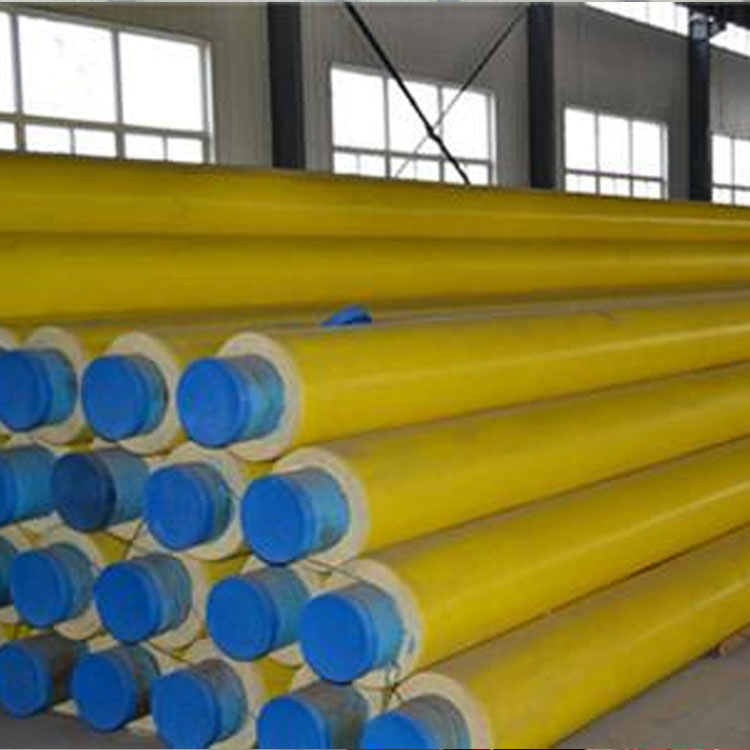
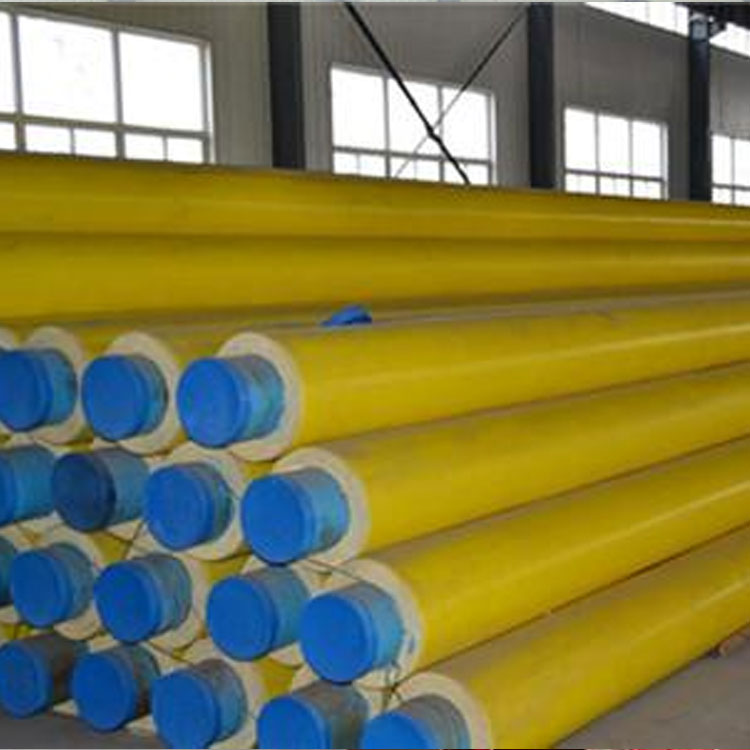

Insulation pipes are widely used in pipeline networks for transporting liquids and gases, such as in chemical pipeline insulation projects, oil and chemical industries, centralized heating networks, central air conditioning ventilation pipes, and municipal engineering. High-temperature pre-insulated buried pipes are a type of insulation pipe with excellent thermal insulation properties, enhanced safety, and low construction costs. They effectively address the issues of insulation, sliding lubrication, and waterproofing at the exposed ends of pre-insulated buried pipes used for high-temperature heat transfer in urban centralized heating systems ranging from 130℃ to 600℃. These high-temperature pre-insulated buried pipes not only possess advanced technology and practical performance that cannot be compared with traditional trench and overhead pipeline installations but also offer significant social and economic benefits, making them a powerful measure for energy-saving heating. The use of direct-buried heating pipeline technology in high-temperature pre-insulated buried pipes signifies that China's heating pipeline technology has entered a new era.
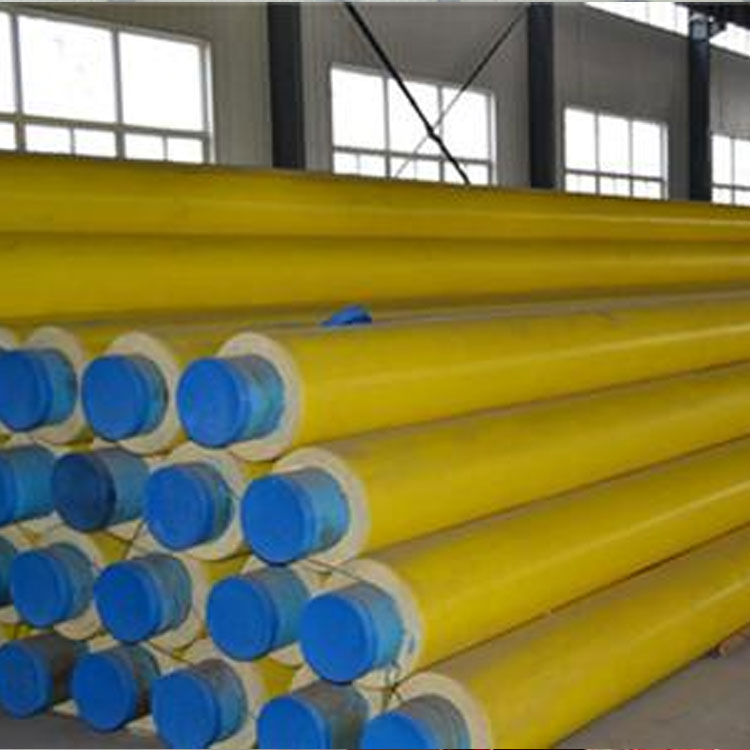
Thermal insulation pipes are composed of steel pipes, glass fiber inner sheath, and glass fiber outer shell, featuring high-temperature resistant insulation, lubricating layer, and elastic sealing elements. This novel design effectively addresses the issues of insulation, sliding lubrication, and waterproofing for pre-fabricated, directly buried thermal insulation pipes used in urban centralized heating systems, which operate at temperatures ranging from 130℃ to 600℃.
Polyurethane foam pre-fabricated buried-insulated pipes consist of three layers from inside to outside.
One layer: Working steel pipe layer, generally选用 seamless steel pipes (GB8163-87), spiral-welded steel pipes (GB9711-88; SY/T5038-92), and straight seam welded steel pipes (GB3092-93) according to design and customer requirements. After being treated with advanced shot blasting and rust removal process, the steel pipes can achieve rust removal level up to Sa2 grade of GB8923-1988 standard, with surface roughness reaching R=12.5 micrometers as per GB6060.5-88 standard.
Second Layer: Insulation layer made of rigid polyurethane foam, which is formed by injecting the raw liquid into the cavity between the steel pipe and the outer sheath with a high-pressure foam machine in one go. This is commonly referred to as the "pipe-in-pipe foaming process." Its functions include: 1) waterproofing, 2) thermal insulation, and 3) supporting the weight of the heating network. When the temperature of the transmission medium is between -50℃ and 120℃, rigid polyurethane foam is used as the insulation layer.
Three layers: High-density polyethylene protective layer, black (yellow) plastic pipes with pre-set wall thicknesses, ready for use after undergoing corona treatment. Its functions include: 1) protecting the polyurethane insulation layer from mechanical damage, and 2) providing corrosion and waterproof protection.