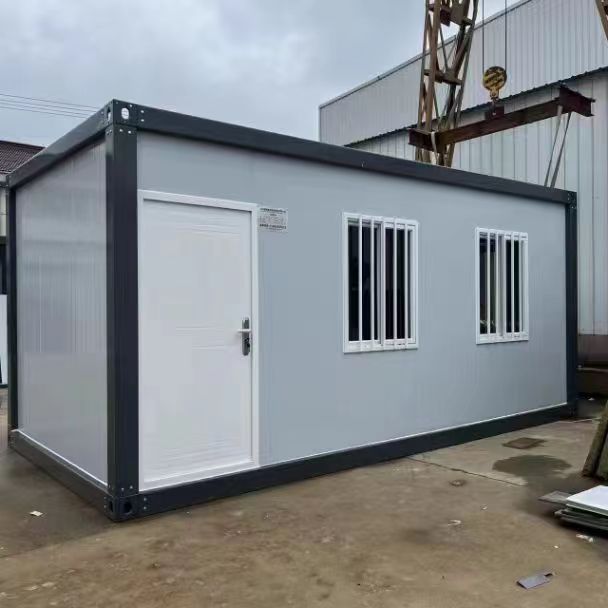

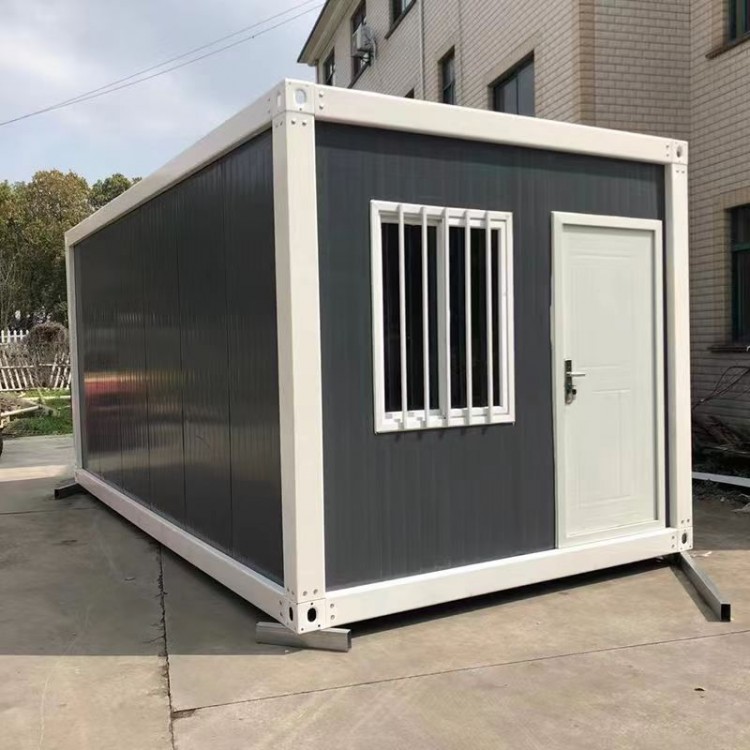

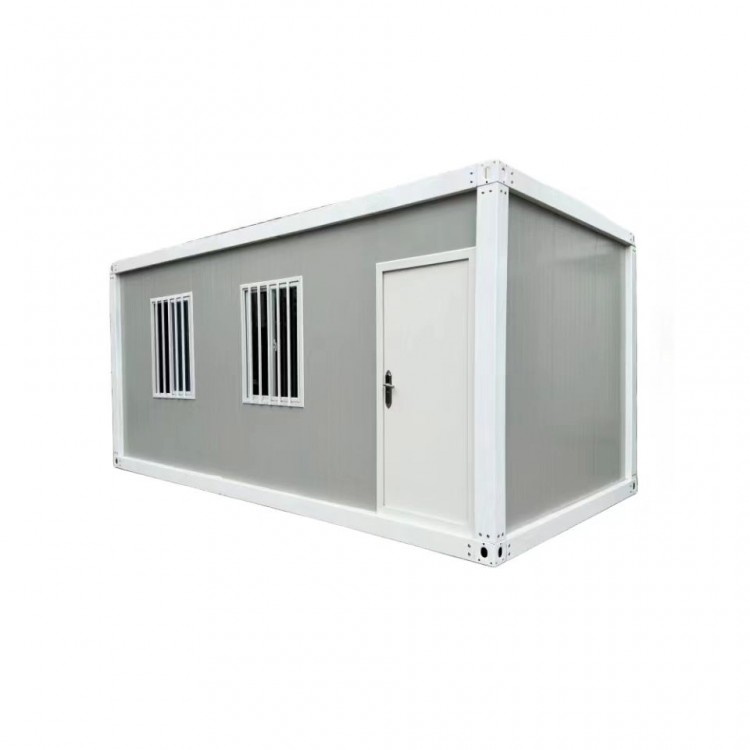
The primary materials for container mobile homes are the steel used for the framework and the colored steel sandwich panels for the walls, and the quality of these two materials directly impacts the quality of the container mobile home. The differences in steel are mainly evident in thickness, with some manufacturers' residential containers having minimal surface differences, but the steel thickness varies, resulting in different structural capacities for the container homes. Some can stack up to three layers, capable of withstanding greater pressure, while others can only be single-layered, unable to bear the pressure from stacking. When steel is subjected to pressure, it is prone to bending, causing deformation in the container homes and affecting their service life. Although these changes may not be immediately noticeable, over time, they can lead to deformation and collapse, potentially endangering the safety of those inside. Therefore, there are certain specifications for the selection of steel for container mobile homes, and one should not use substandard containers to save costs, as this can easily lead to safety issues.
Container mobile homes have no special site requirements. They can be placed on land without the need for foundation preparation, even if the site is not for combination use. Simply deliver the units to the site, position them, plug in an external power source, and they are ready for immediate use with no on-site work required.