



 通过中商114认证
The primary function of an integrated pumping station is to pressurize and discharge wastewater, rainwater, drinking water, and effluent, which is commonly referred to in the industry as the "elevation function." What kind of water requires pressurization and elevation? For instance, industrial wastewater produced by factories may lack sufficient flow to form a strong current and could contain particles. The wastewater cannot be discharged through gravity alone, and a large amount of sediment might cause blockages. In such cases, the equipment needs to pressurize the wastewater to facilitate discharge, preventing environmental pollution and helping factories better manage effluent. Pumping station equipment not only addresses the issue of pressurizing and elevating wastewater but also a good collection system prevents enterprises from discharging wastewater improperly, thus avoiding environmental pollution.
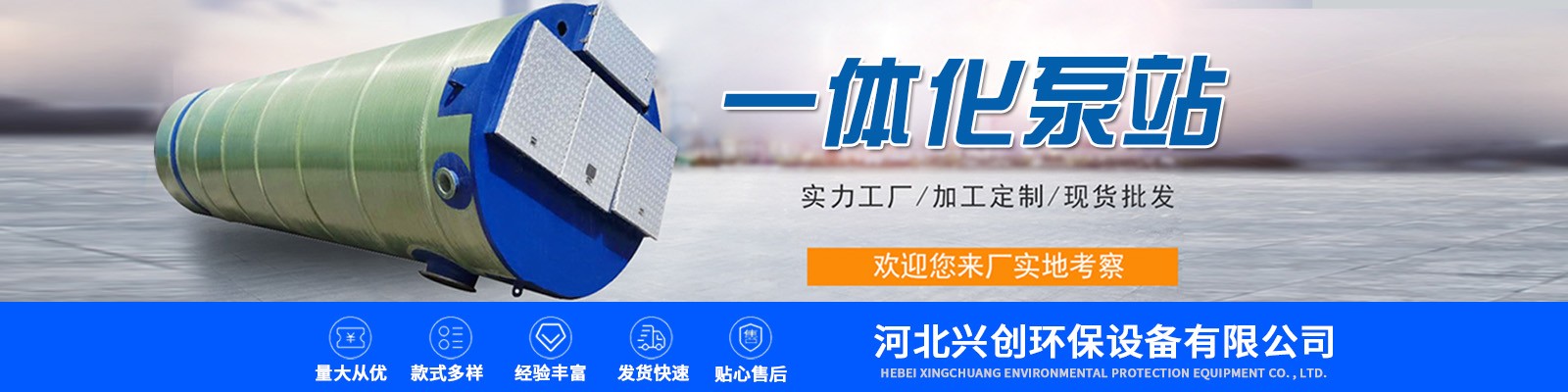
What is an integrated pumping station? As the name suggests, an integrated pumping station is a turnkey unit that encompasses various components. It is produced and assembled at the factory and then delivered to the site for direct installation. The main components include GRP glass-fiber reinforced plastic cylinder, submersible pump, top cover, base, grating, service platform, and pipeline valves.
Lifafa's integrated pump stations are widely used in various projects, including domestic wastewater lifting, sewage treatment plants, scenic area wastewater projects, road stormwater lifting, and urban flood prevention. The pump stations can discharge wastewater into the municipal sewage pipeline after simple treatment, which is why they are often utilized in sewage treatment plants. Additionally, they play a crucial role in lifting and transporting accumulated rainwater during urban drainage efforts. Moreover, in agricultural production, pump stations can be seen facilitating the irrigation of farmlands by transporting water from canals.
News Center Co., Ltd.
