

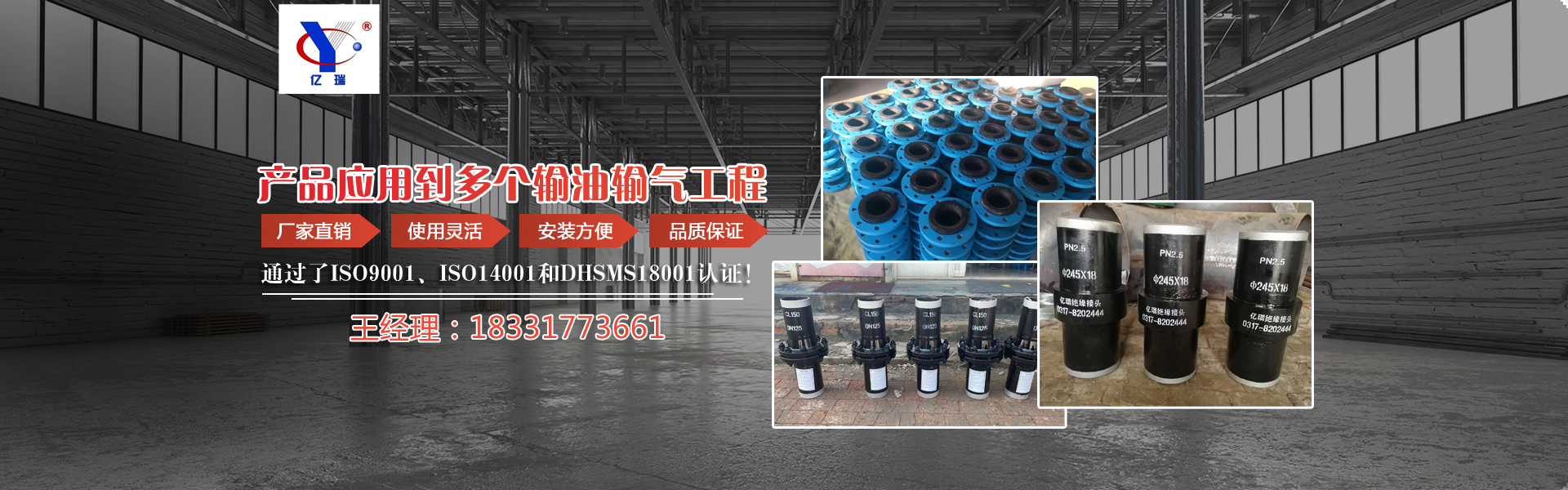

Insulating joints are crucial pipeline components used in long-distance pipeline transportation to prevent electrochemical corrosion and to implement cathodic protection for the pipeline. They consist of threaded sleeve, end cap, sealing joint, short pipe焊接 to it, insulating gaskets, and so on. Insulating gaskets with O-rings are fitted on both sides of the sealing joint and end cap, and after assembly, insulating material is filled between the threaded sleeve and the sealing joint with the end cap, forming a double-sealing structure with insulating properties. The internal and external surfaces of the insulating joints are coated with insulating material for corrosion prevention. Design, Production, and Acceptance Standards for Insulating Joints - SY/T0516-1997 "Technical Specifications for Insulating Flange Design" - SY/T0086-95 "Electrical Insulation Standard for Cathodic Protection Devices" Selection Conditions for Insulating Joints 1. Selection of Working Pressure: The nominal pressure of the joint should be the same as the pressure class of the connected pipeline. It should be selected based on the pipeline design pressure and the high working pressure of the medium, and should comply with national, industry, or foreign relevant standards. 2. Selection of Nominal Bore: The nominal bore of the joint should be the same as the nominal bore of the connected pipeline. When placing an order, the series number of the short outer diameter should be clearly specified, and it should comply with national or foreign relevant standards. 3. Selection of Material: The material of the short pipe of the joint should be the same as or similar to the material of the main pipeline, and should have good weldability. It should preferably be selected from GB8163 20#, or GB9711 Grade B steel.
News Center Co., Ltd.
