



 通过中商114认证

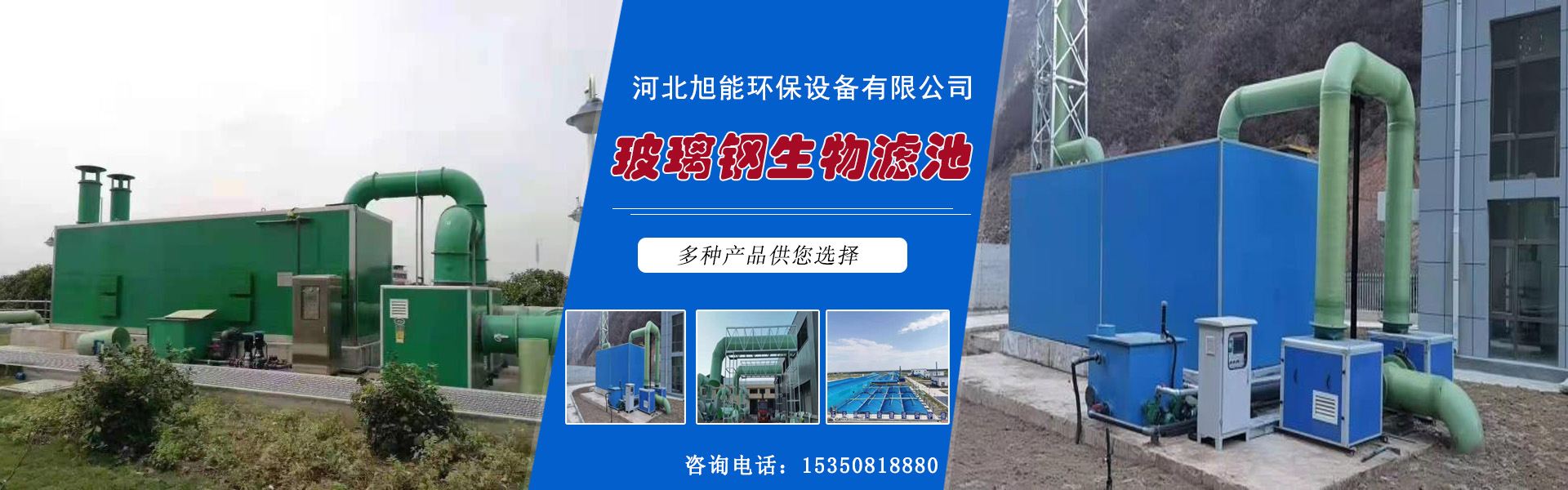
Currently, the main technologies for odour control of wastewater in both domestic and international markets include activated carbon adsorption, thermal oxidation, plant extract deodorization, oxygen ion cluster deodorization, chemical washing, and biological filtration methods. Compared to commonly used chemical methods (redox, absorption, neutralization) and physical methods (adsorption, desorption), biological methods for waste gas purification are environmentally friendly. They consume less energy, require lower investment, and have lower operating costs, and do not produce secondary pollution, making them the primary technique for controlling odours in urban wastewater treatment plants worldwide.
Bio-odor removal is typically conducted at normal temperatures and pressures, requiring only the power costs of fans and water pumps, along with minimal expenses for adjusting the nutrient environment and water fees. Treatment of malodorous gases using bio-methods generally does not produce secondary pollution, which is why bio-filtering odor control technology is hailed internationally as a green solution for treating malodorous gas pollution. In recent years, it has been increasingly recognized, accepted, and adopted by more and more enterprises in China, with its environmentally friendly processing technology and cost-effective construction and operation receiving great popularity. The advantages of this method include moderate investment, rapid results, low operational costs, and high efficiency, making it an environmentally friendly approach. However, its drawback is that it occupies a large area and is not suitable for very high concentrations of odors.
News Center Co., Ltd.
