

The thermal insulation structure of steel straight-b埋 steam pipes is divided into two types: internal sliding and external sliding.
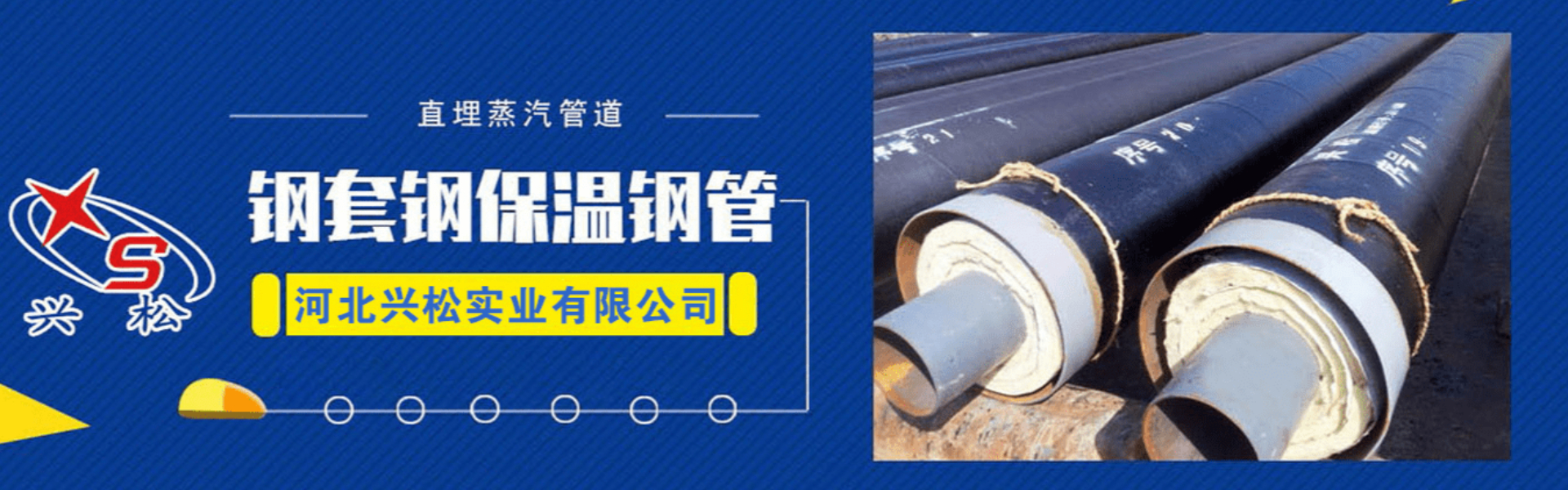
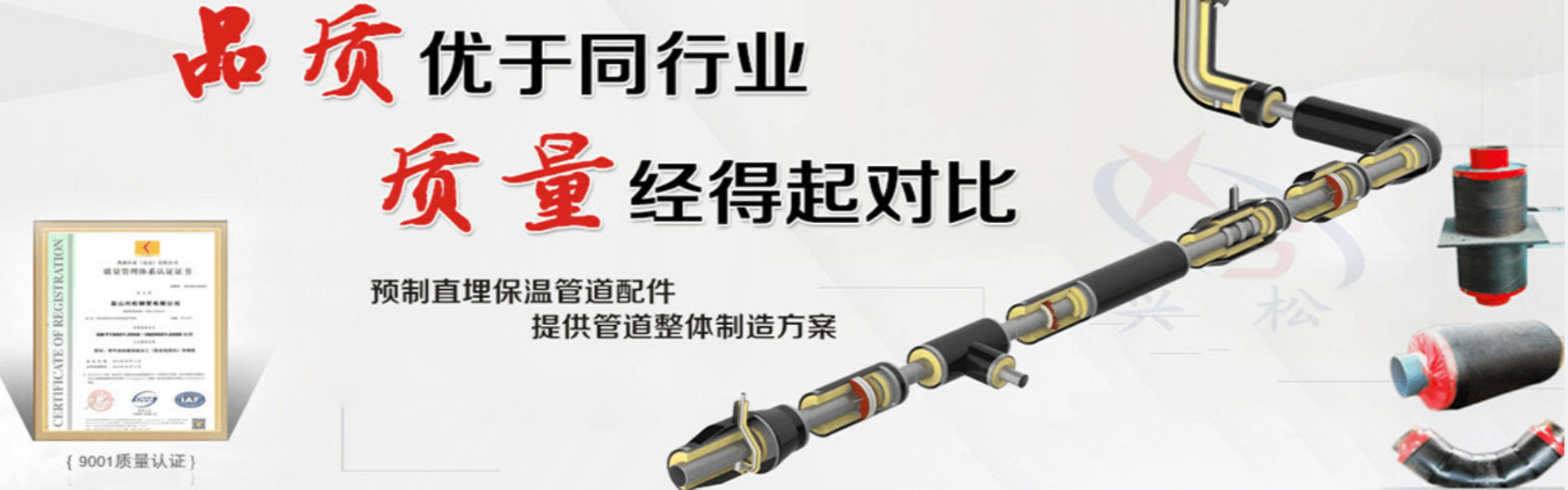
The sliding insulation structure is composed of working steel pipes, glass wool insulation, aluminum foil reflective layer, sliding guide brackets, air insulation layer, outer protective steel pipe, and external anti-corrosion coating.
Corrosion Protection: It shields the outer steel pipes from corrosion, thereby extending the lifespan of the pipes.
2. External Steel Pipe: Protects the thermal insulation layer from groundwater erosion, supports the working pipe, and can withstand certain external loads, ensuring the normal operation of the working pipe.
3. Insulation with glass wool and air保温层: Ensures the working medium's environment temperature is maintained, keeping the outer sheath surface at a constant temperature.
4. Aluminum Foil Reflective Layer: Ensures that organic foam material does not enter the inorganic, high-temperature-resistant hard layer, reflecting some of the heat from the high-temperature-resistant layer.
5. Inorganic rigid thermal insulation layer: withstanding high temperatures, ensuring the interface temperature with the organic thermal insulation layer, and preventing the foam from carbonization.
Guide Rail Support: Ensures the free movement of the working pipe.
7. Working Steel Pipe: Ensures normal flow of the conveyed medium.
The sliding steel casing steam pipeline design is relatively simple, consisting of the following key components from the inside out: working rigid pipe, ultra-fine glass wool as an insulating layer, aluminum foil reflective layer, sliding problem-oriented support, air layer, outer protective steel pipe, and outer anti-corrosion layer. The glass wool insulating layer is tightly wrapped around the working pressure steel pipe, with the outer layer being an air layer. As a result, the working pipe and ultra-fine glass wool insulating layer form a fixed unit within our enterprise, allowing for sliding movement within the outer casing. Advantages: low cost, capable of withstanding temperatures of 150-400°C. However, according to the actual engineering requirements and different insulation technology needs, options can be directly selected.
News Center Co., Ltd.
