


 通过中商114认证
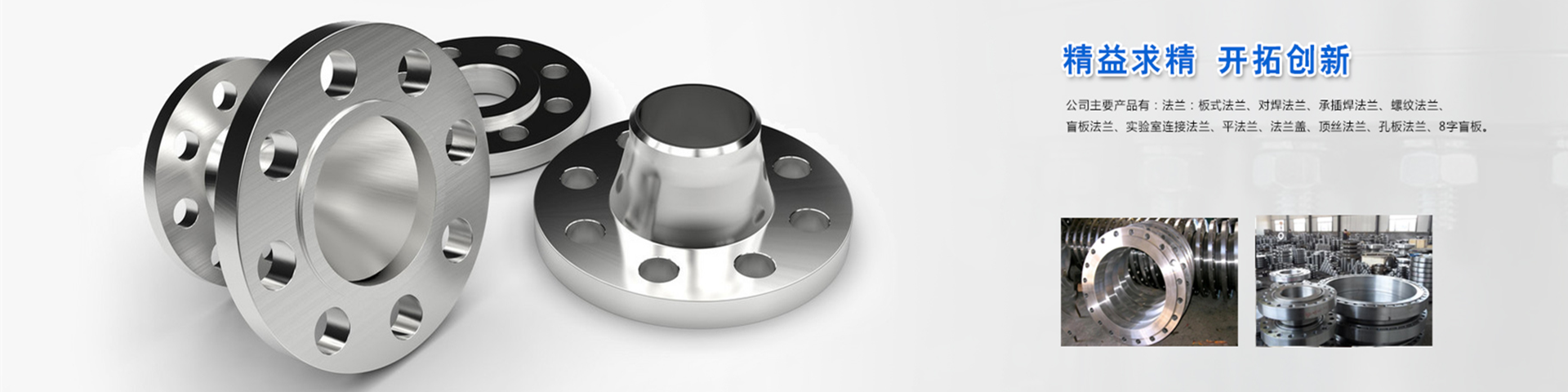
Frank's cold forging means that the size change of the flange is minimal during forging at low temperatures. Forging below 700°C results in almost no scale formation and no decarburization on the surface. Therefore, with deformation within the forming ability range, cold forging is easily obtained with good dimensional accuracy and surface finish. As long as the temperature and lubrication cooling are well controlled, hot forging below 700°C can also achieve good precision. Plastic processing (such as cold forging, cold extrusion, and cold extrusion) is a general term. Cold forging is a shaping process carried out below the recrystallization temperature of the material, while forging is performed below the recovery temperature. In production, it is customary to refer to cold forging as unheated blanks. Cold forging materials are mainly aluminum and certain alloys, copper and certain alloys, low-carbon steel, medium-carbon steel, and low-alloy structural steel, which have low deformation resistance and good plasticity at room temperature. Cold forging parts have good surface quality and high dimensional accuracy, which can replace certain machining processes. Cold forging can enhance metal strength and increase the strength of the flange.
The advancement of cold forging technology primarily involves developing high-value-added products and reducing production costs. Simultaneously, it continuously penetrates or replaces in fields such as cutting, powder metallurgy, casting, hot forging, and sheet metal forming. The combination of processes constitutes a composite process.
Hot forging of flanges: During the hot forging process, due to the small deformation energy and deformation resistance, complex-shaped large flanges can be forged. To obtain flanges with high dimensional accuracy, hot forging within the temperature range of 900-1000°C can be employed. Additionally, attention should be given to improving the working environment for hot forging. The lifespan of forging dies (hot forging: 2-5 thousand cycles, warm forging: 10,000 to 20,000 cycles, cold forging: 20,000 to 50,000 cycles) is shorter than that of forging at other temperature ranges, but offers significant flexibility and low costs. The primary purpose of hot forging flanges is to reduce the metal's resistance to deformation, thereby lowering the forging pressure required for deforming defective materials and significantly decreasing the tonnage of forging equipment; altering the casting structure of the flange material billet, through recrystallization in the hot forging process, transforms coarse casting structures into new microstructure with fine grain, reducing the defects of the casting organization and enhancing the mechanical properties of the castings.
