
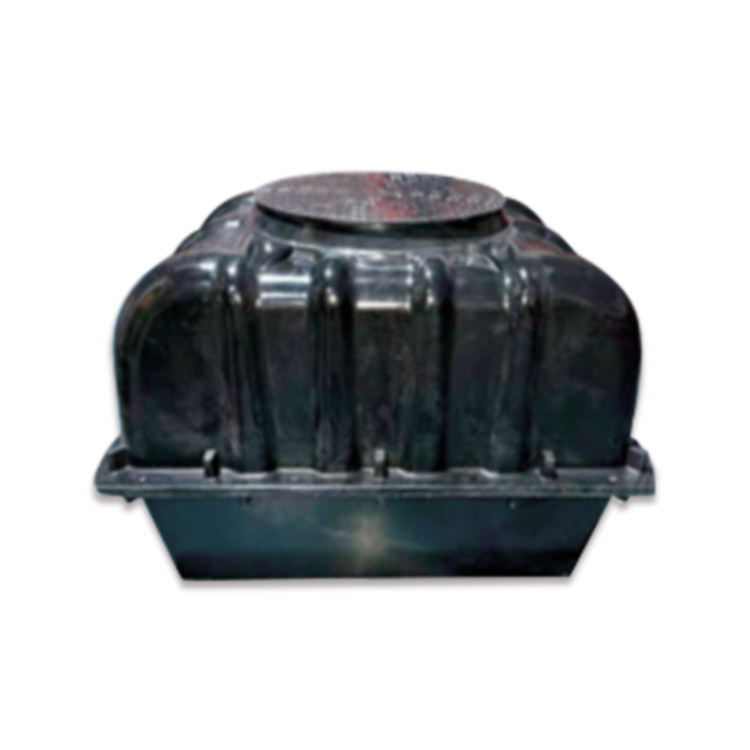
 Composite Resin Water Meter Well
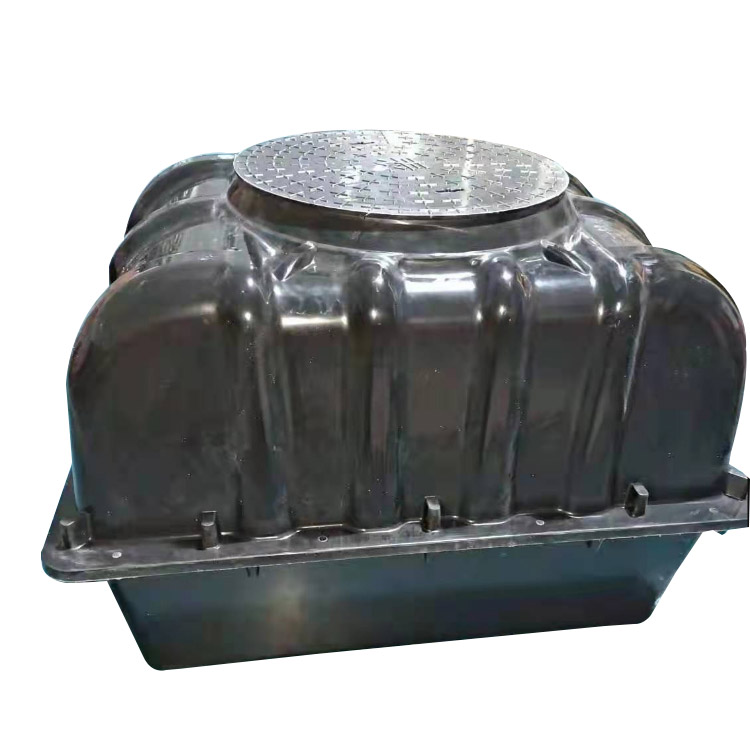 Composite Resin Water Meter Well
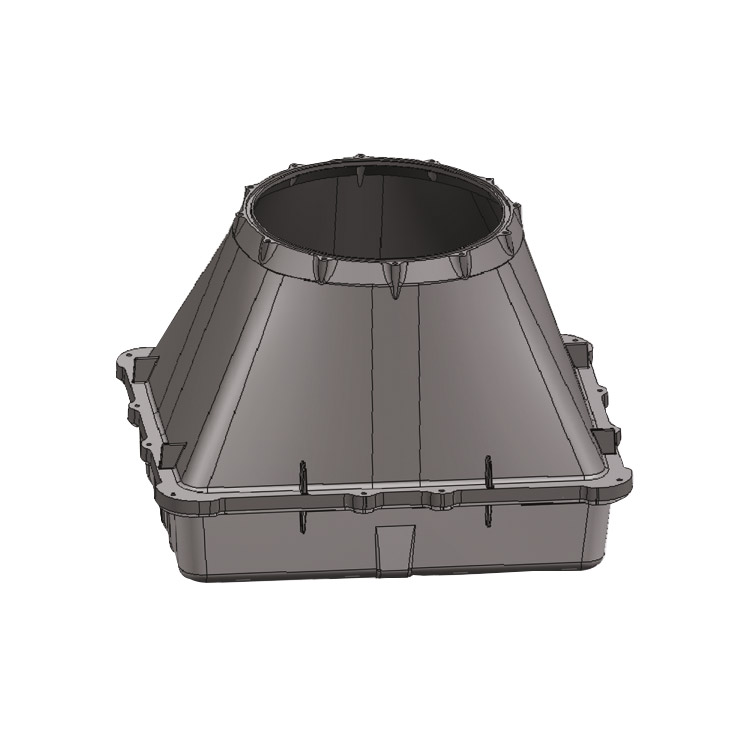 IoT Smart Terminal Protection Well (Integrated Manhole and Table Well)
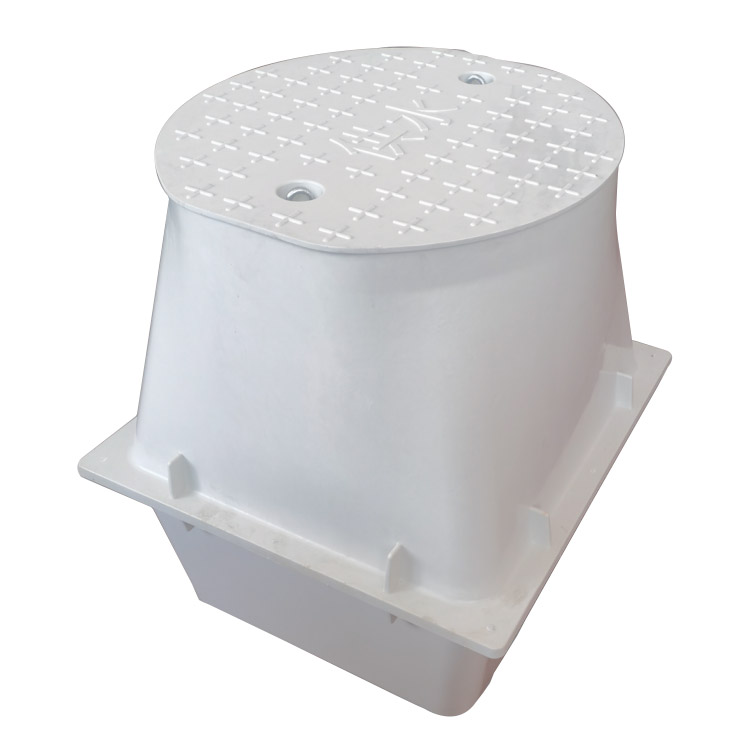 600x550x700 Type Water Meter Manhole
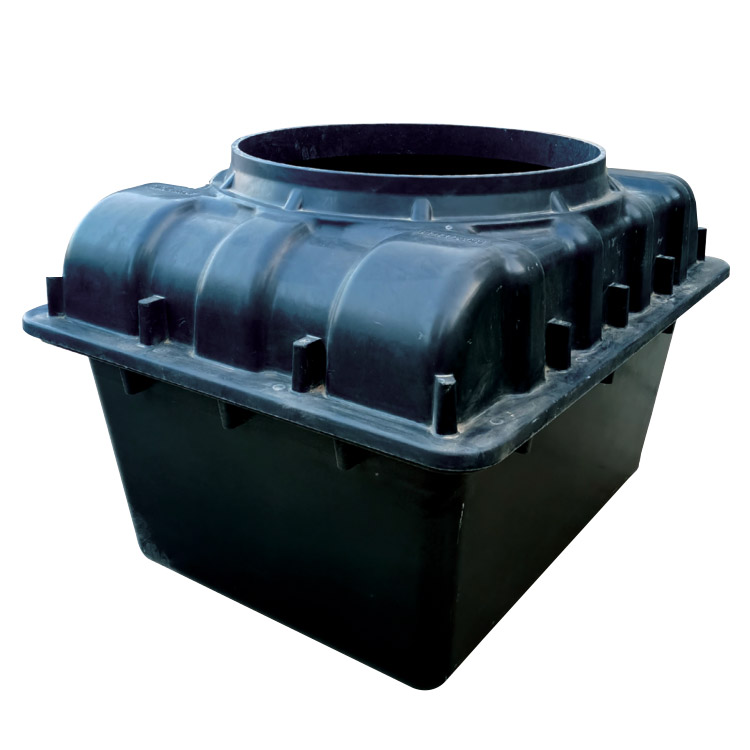 900x700x700 Size Water Meter Box
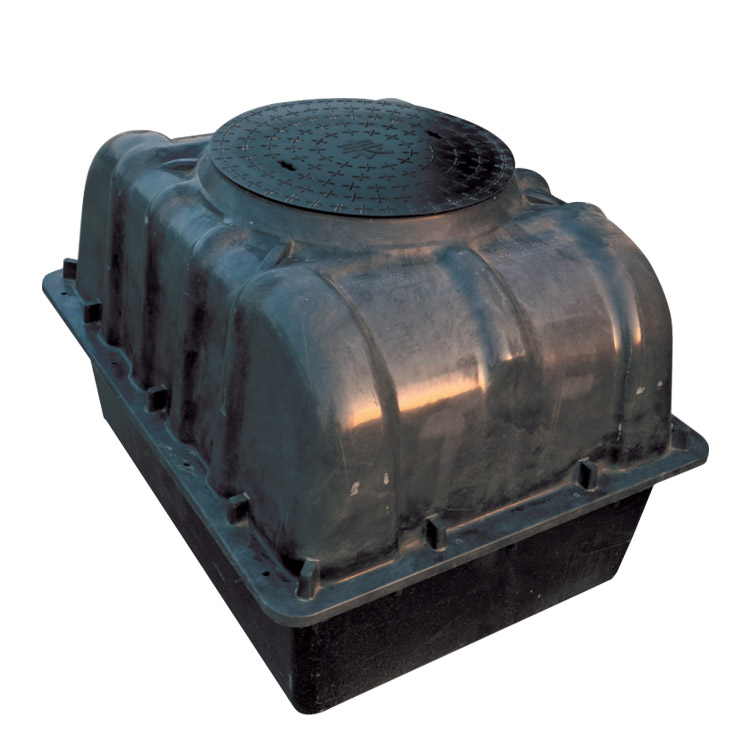 1200x900x900 Water Meter Box
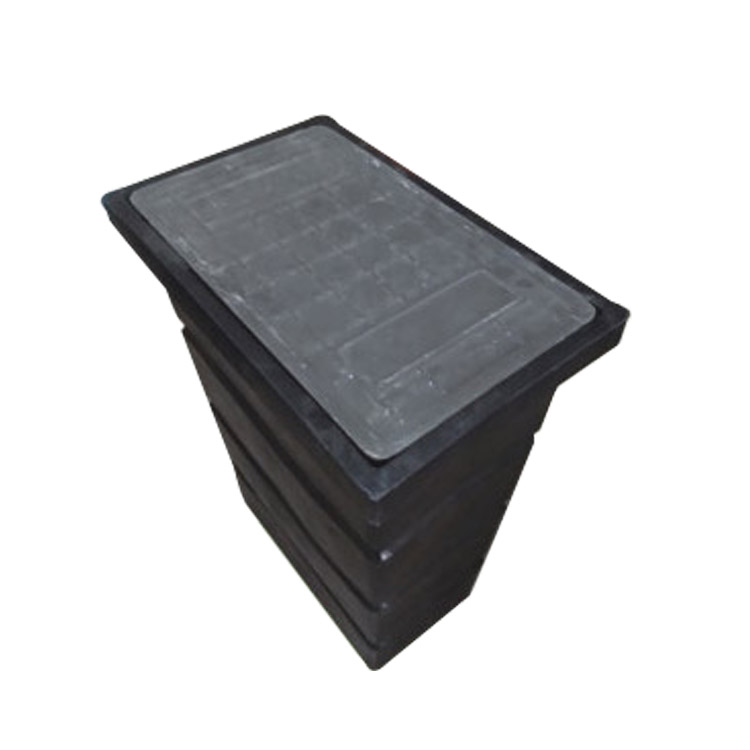 Integrated water meter manhole (500)
Product Details



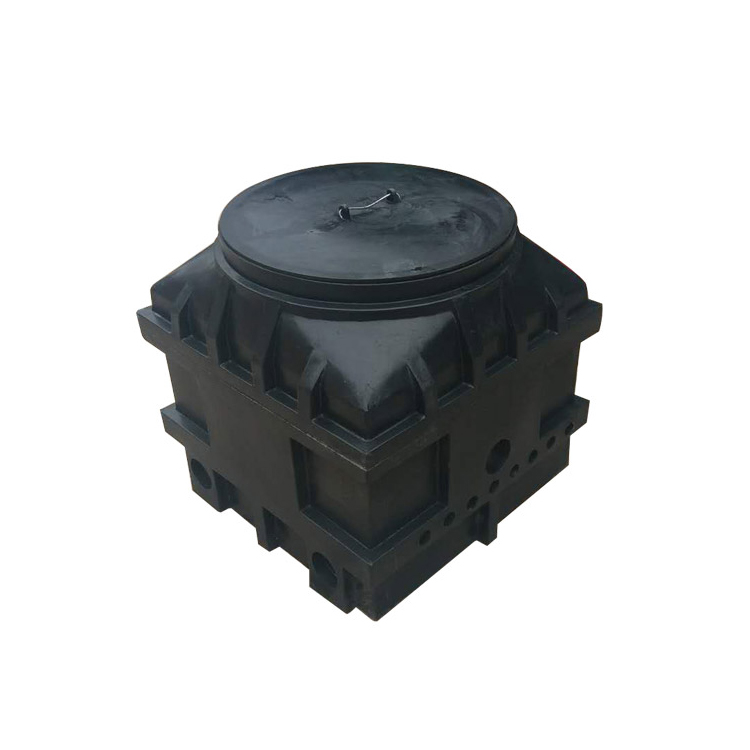
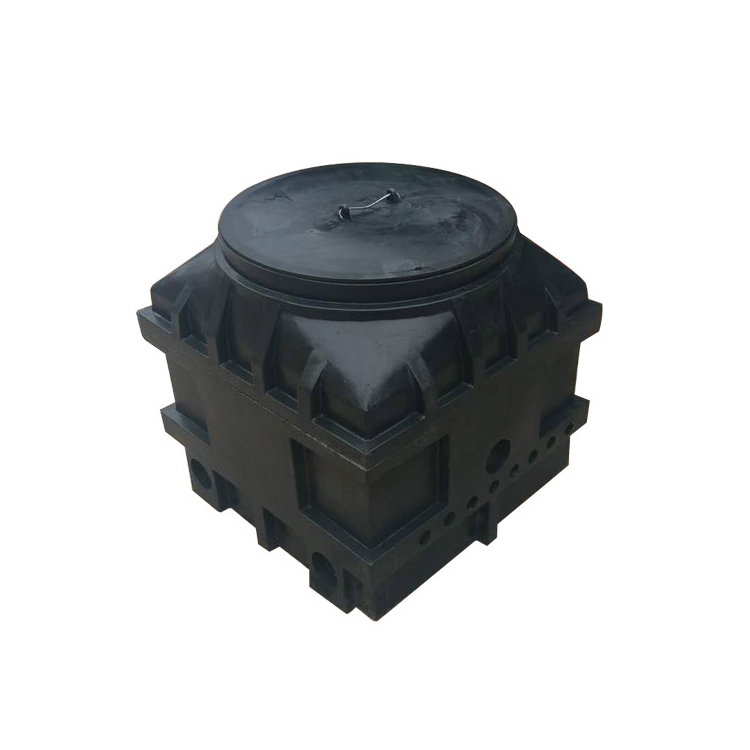
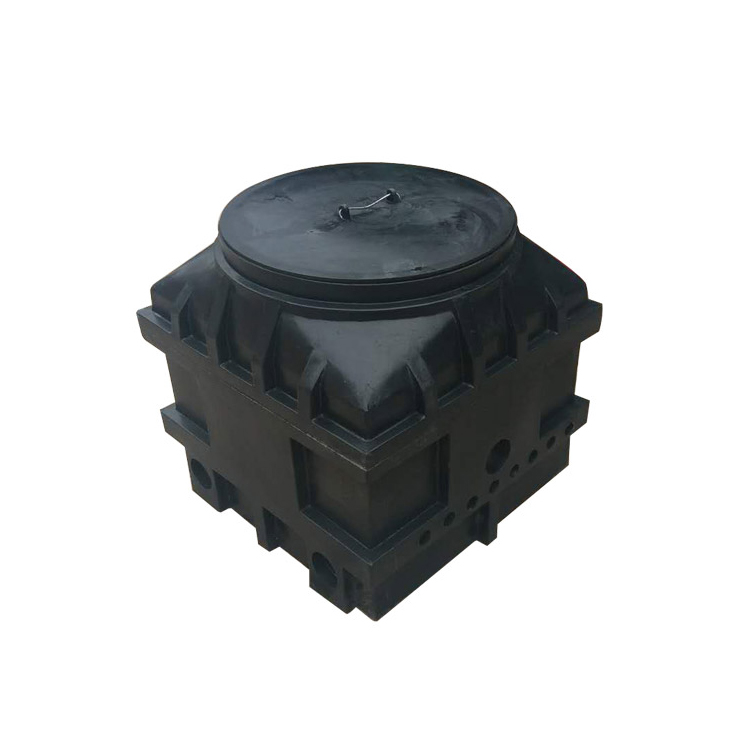
产品Price 500.00/None
最小起订Quantity:1 None 供货总Quantity: 10 None


Standard Size 1 |
|
Standard Size 2 |
560×510×980 mm |
Entry size |
dm63mm |
Product Specifications: Standard water meter pit size (internal dimensions) is 560×510×680 or 560×510×980 (length*width*height, unit: mm). Water meter pit inlet size: main pipe DM63mm (connected with a flexible joint at the end). Water meter pit outlet size: branch pipe DM25mm or DM20mm. Welded water meter pits can be customized according to customer requirements. Technical Requirements: 1. The water-tightness test showed no leakage for 24 hours. 2. The pipeline system within the wellbore undergoes a 0.6 MPa pressure seal test without pressure drop. 3. The manhole covers maintain excellent insulation at -25°C, with no freezing observed in the internal piping and components. Performance characteristics of water meter box: 1. This water meter well is made of plastic die-casting, assembled in three sections for easy installation. Its height can be adjusted according to the depth of the frozen soil layer in different regions. The structure is compact with a small footprint, saving space. This water meter well implements centralized meter reading and a modern water resource management model with one meter per household. 2. This well is fully sealed, preventing rainwater and debris from entering, thereby ensuring the cleanliness of the water meter and the accuracy of the measurement. 3. The manhole cover design is unique, featuring a structure with both large and small covers, each equipped with anti-theft devices to ensure the safety of both the manhole cover and water meter from theft. The structure of the small cover facilitates meter reading for the meter reader, eliminating the need to open the large manhole cover each time. 4. Excellent water flow design with minimal resistance. 5. The design of the shut-off valve eliminates the phenomenon of using water without payment. 6. The well exhibits strong vertical load-bearing and anti-float capabilities. The thickened well walls, vertical reinforcing ribs, and special wellhead design ensure the well's vertical load-bearing capacity, with ground bearing capacity exceeding 5 tons. Additionally, the weight of the well body is sufficient to overcome the buoyancy of groundwater. 7. Fast construction speed and short project duration. Traditional water meters are brick-built or cement-molded, whereas this type of water meter pit is plastic die-cast and assembled in three sections with push-in connections, produced in a factory for efficiency, and easy to install. With the construction conditions in place, the speed of construction is over 10 times faster than that of concrete wells and brick-built wells. 8. Long service life, exceeding 50 years, due to the use of PE and fiberglass composite materials in the well body, which are resistant to corrosion and have high rigidity. 9. Eco-friendly and Energy-saving. As this water meter well is produced on a factory's intensive scale, quality control is ensured throughout each process, resulting in excellent sealing performance of the well. This prevents wastewater from渗入地下,thus protecting underground water resources, and also reduces the amount of wastewater treatment. Welded Water Meter Well In addition to the various advantages of integral die-casting manholes, the PVC-U welded water meter manhole offers greater flexibility compared to the integral die-cast type. It can be customized to different sizes according to customer requirements, and the number of branches and water meters can be matched arbitrarily. However, it should be noted that this type of water meter manhole is suitable for non-load-bearing locations; if load-bearing is required, a separate load-bearing manhole opening must be installed during installation. Compared to traditional wells One, Permeability Comparison Vintage brick wells present an unsolvable problem in terms of leakage prevention. Waste water leaks within the well, and rainwater seeps into the ground, accumulating in the well, causing difficulties in meter reading, pipeline maintenance, water quality safety issues, and disputes over resident payments, among other problems. This leads to a waste of human and material resources for the water supply department. The entire prefabricated plastic well is equipped with sealing rings, ensuring that both the inlet and outlet pipes are sealed to the well body, thereby completely preventing any leakage. The gaskets at the well head and cover are securely sealed. All water meter wells are factory-tested with an integrated hydrostatic test (1mpa with no leakage), truly achieving the effect of preventing leakage both underground and above ground. Section II: Safety The old-style water meter well has a complex structure and a single performance. In cases of illegal water theft or refusal to pay water bills, the water supplier will be unable to control the supply through the facilities. The plastic integrated water meter well features a theft-proof screw lid, an internal locking mechanism, and anti-theft tools, which will enable the water supplier to effectively control illegal water usage. III. Low-Temperature Resistance The northern regions experience lower temperatures during winter, leading to occasional bursting or cracking of water meters in old brick wells. In contrast, the overall prefabricated plastic well covers are equipped with insulation and have excellent airtightness, maintaining the well temperature above the freezing point and ensuring the water supply facilities can safely withstand the winter. Additionally, the height of the well body can be adjusted and deepened according to local requirements to resist even lower temperatures. Four: Low construction costs, minimal trenching required V. Low maintenance costs The difficulty in repairing old brick wells is well-known, due to numerous internal pipelines and accumulated water, making it challenging for maintenance personnel to perform repairs without overlooking crucial areas. The prefabricated plastic wells have simple internal connections, with the water meter being easily removable as a whole, thereby reducing the difficulty of maintenance and the likelihood of accidental damage. Additionally, most of the internal pipelines in the prefabricated plastic wells are integrated within the well body, and their sealing properties further decrease the frequency of malfunctions. Masonry well construction requirements: 1. Must have transportation conditions for bricks, cement, and water sources. 2. Excavate a three-dimensional trench approximately 150cm x 150cm x 80cm in size. 3. Require gray bricks, compacted base, and at least 800 bricks for the inner diameter. 4. Cement wellhead with a matching load-bearing well cover, featuring one cover plate measuring 120cm x 150cm x 1.5cm. 5. The assembled water intake frame in the well consists of six 150cm to 20mm tees and one 50mm cap. 6. Six sets of water meter assembly components (including shut-off valves, stop valves, check valves, water meters, and joints) are installed and connected. 7. Construction period from fixed wellhead, well cover, surface treatment, curing, and equipment assembly requires 5-7 days; post-completion, potential issues include seepage and storage of wastewater, frozen water meters, short lifespan of assembled valves, and difficulty in maintenance. Plastic water meter manhole construction requirements: 1. The well body measures 60cm in length × 55cm in width × 80cm in height, with an excavation pit larger than the well body volume for ease of construction. 2. The bottom foundation of the well is leveled and compacted with a sand and soil bedding. The elevation of the water meter well top should be ensured not to be lower than the ground level based on the road, or slightly higher. 3. The well is pre-installed with a customized water divider and water meter, magnetic valve, check valve, pipe fittings, and other components, eliminating the need for underground operations. Simply connect the external pipeline, with the main pipeline using quick-release connections for easy and fast assembly. 4. The surrounding area of the water meter well should be backfilled with fine soil and compacted in layers. 5. The wellhead of the welded well has a recess of 10cm deep and 20cm wider than the well opening, filled with sand, stone, and cement, and equipped with hand-hold points for easy lid removal. 6. After installation, cover the well cap and tighten the anti-theft bolts on the cap to ensure sealing and anti-theft properties.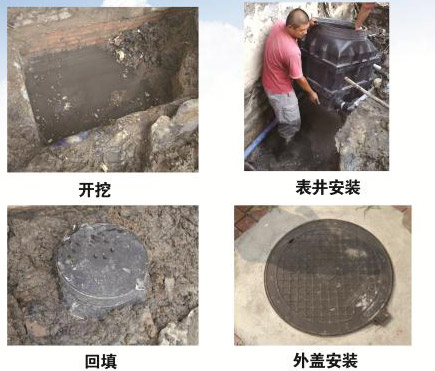

Phone Consultation