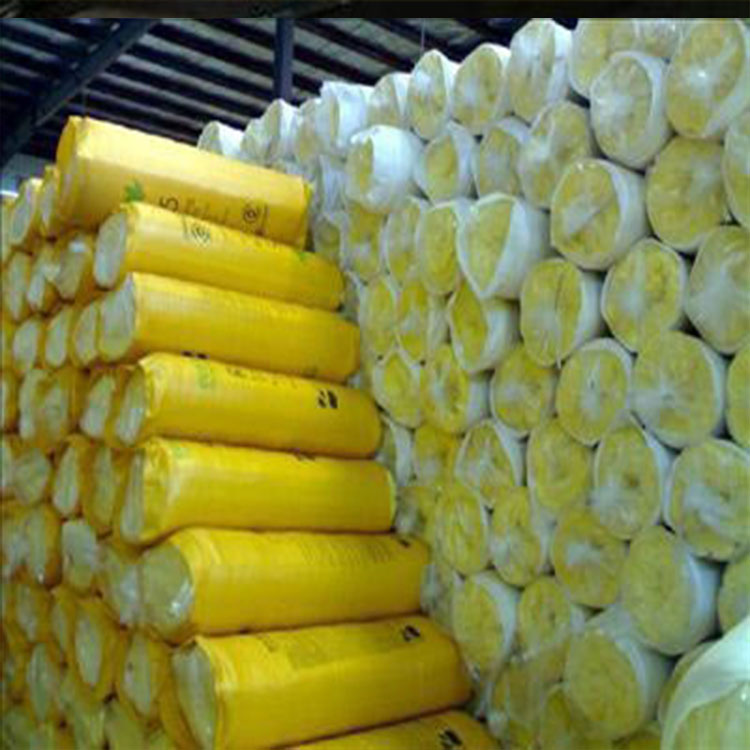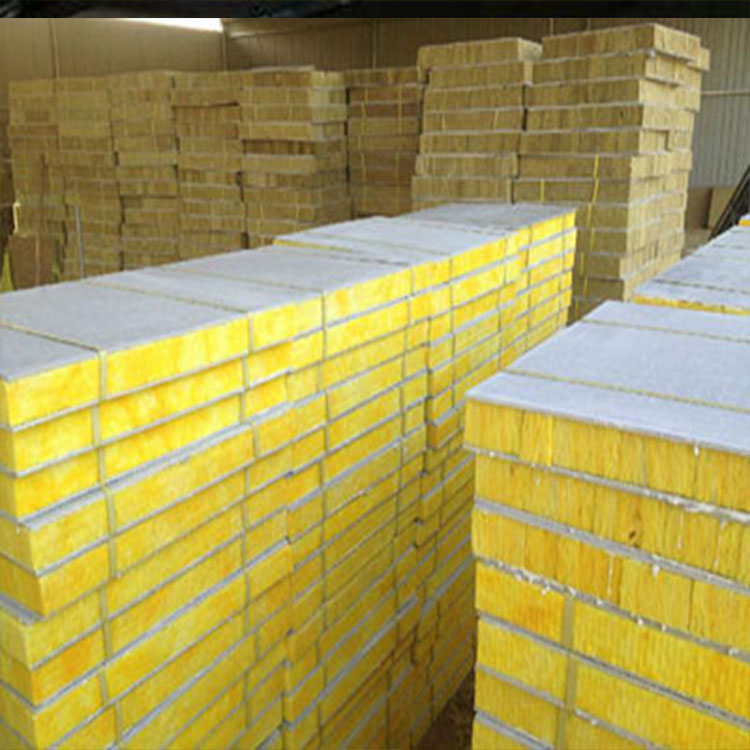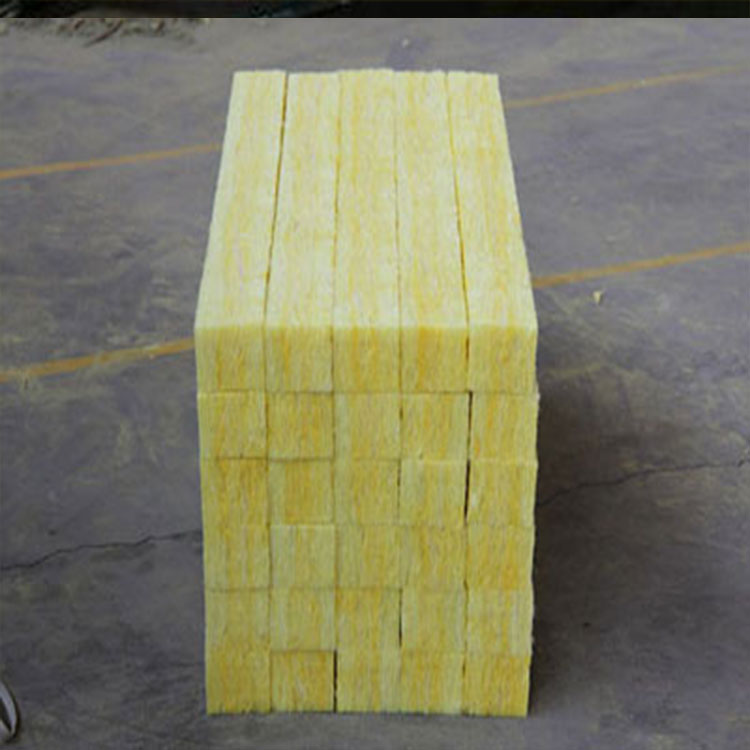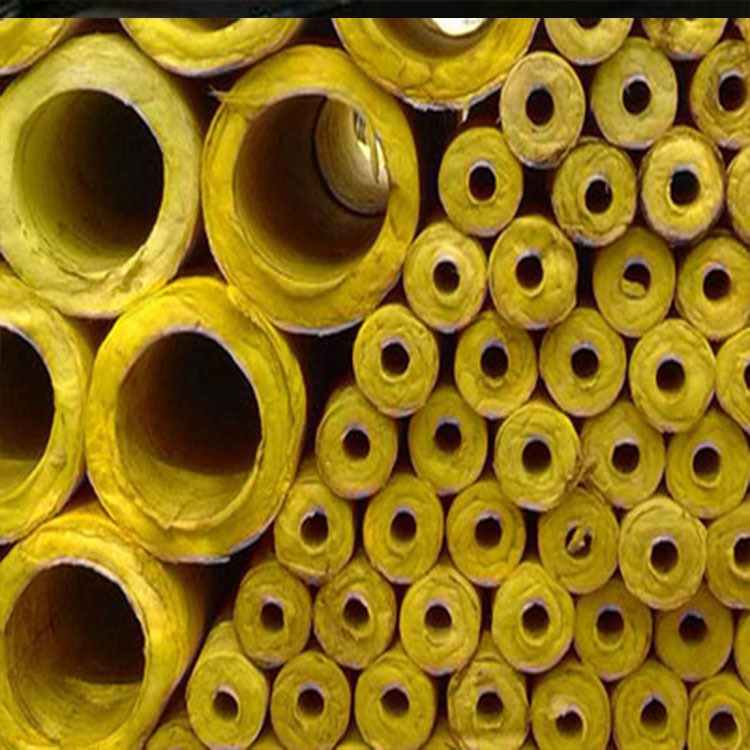


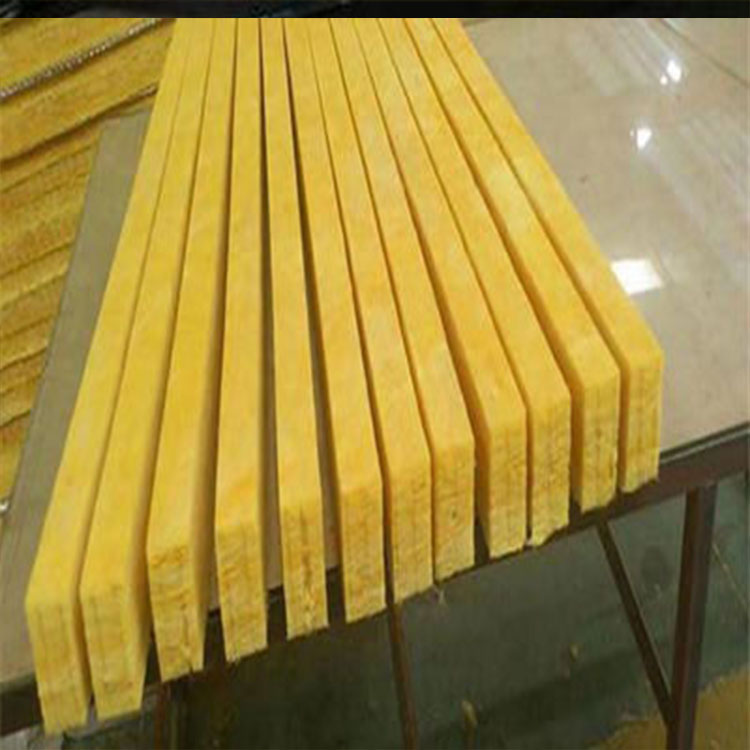

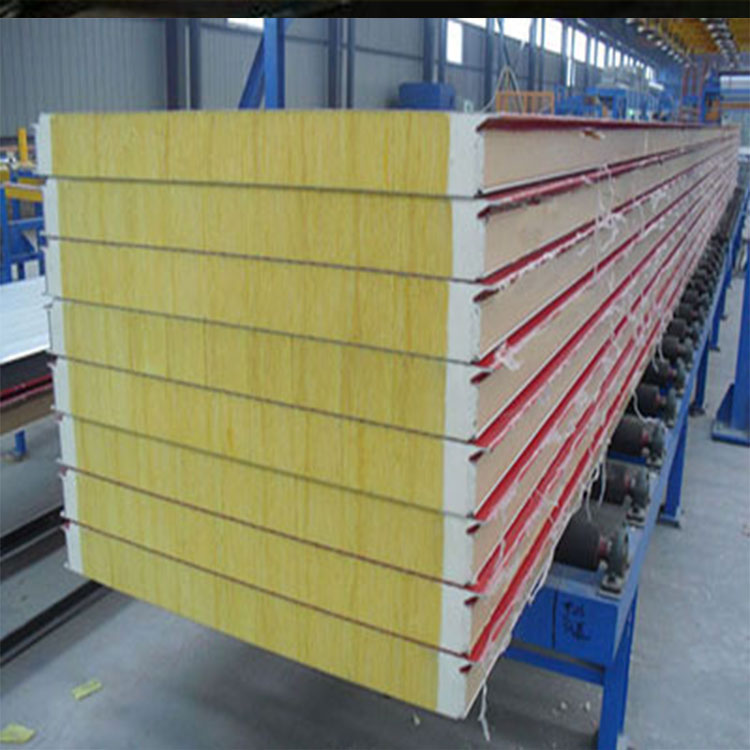
Glass wool is a category of glass fiber, a type of artificial inorganic fiber. It is formed by fiberizing molten glass into a fluffy material, with a chemical composition belonging to the glass family and is an inorganic fiber. It boasts good molding properties, low bulk density, low thermal conductivity, excellent thermal insulation, good sound absorption, corrosion resistance, and stable chemical properties.
Glass wool is a category of glass fiber, a type of artificial inorganic fiber. It is made primarily from natural ores such as quartz sand, limestone, and dolomite, along with some chemicals like soda ash and borax. In the molten state, external force is used to blow and spin it into fluffy fine fibers, with the fibers interlacing in a three-dimensional pattern, intertwining and creating numerous small gaps. These gaps can be considered as pores. Therefore, glass wool can be regarded as a porous material with excellent thermal insulation and sound absorption properties.
In gymnasiums, workshops, and other large spaces, acoustic absorbers are commonly used with centrifugal glass wool as the primary acoustic material for noise reduction. Acoustic absorbers can be made into plate, column, cone, or other irregular shapes as required. The interior of the absorber is filled with centrifugal glass wool, and the surface is wrapped with a sound-permeable layer. Due to the multiple surfaces of the absorber for acoustic absorption, the efficiency is very high.