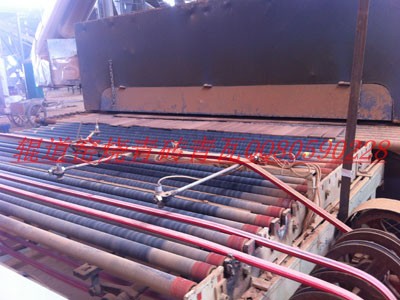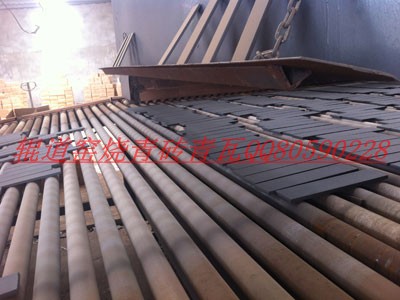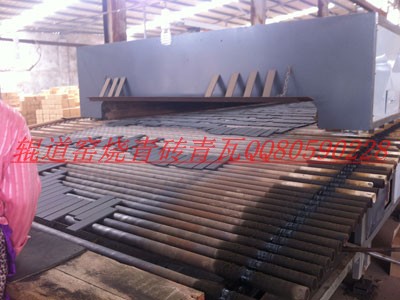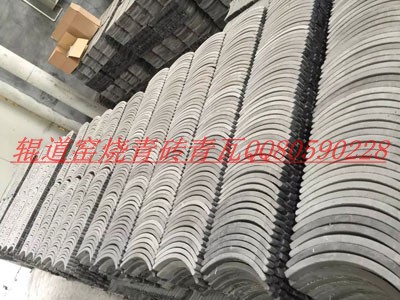



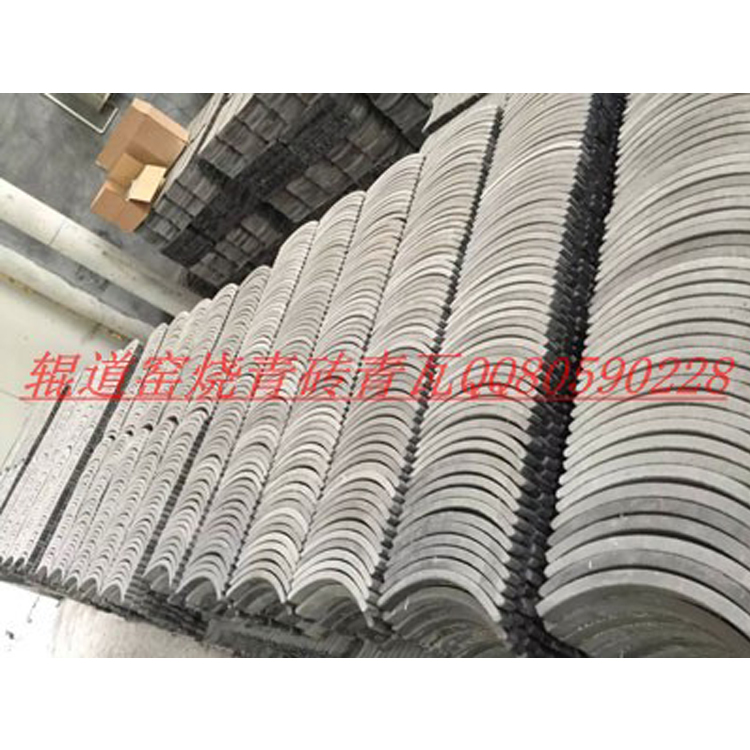
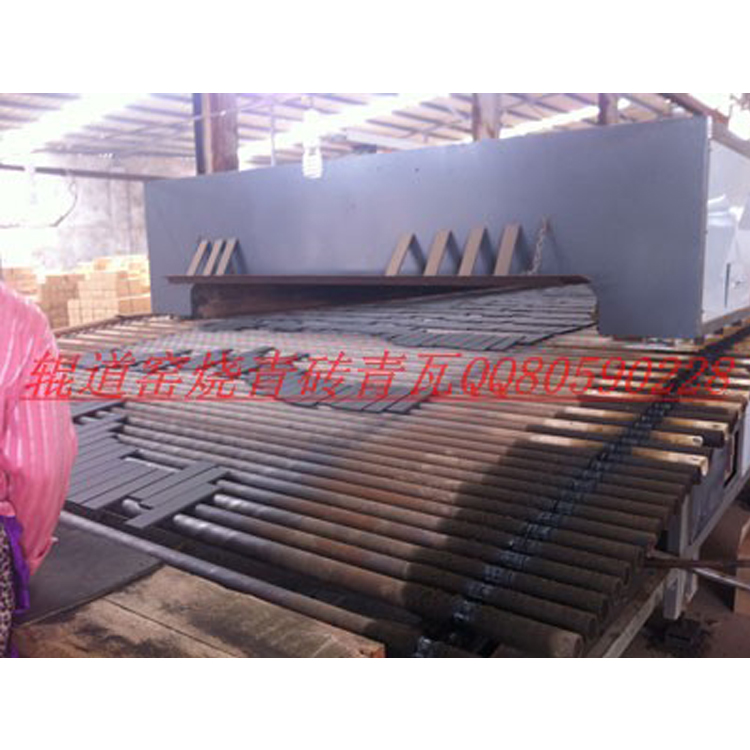
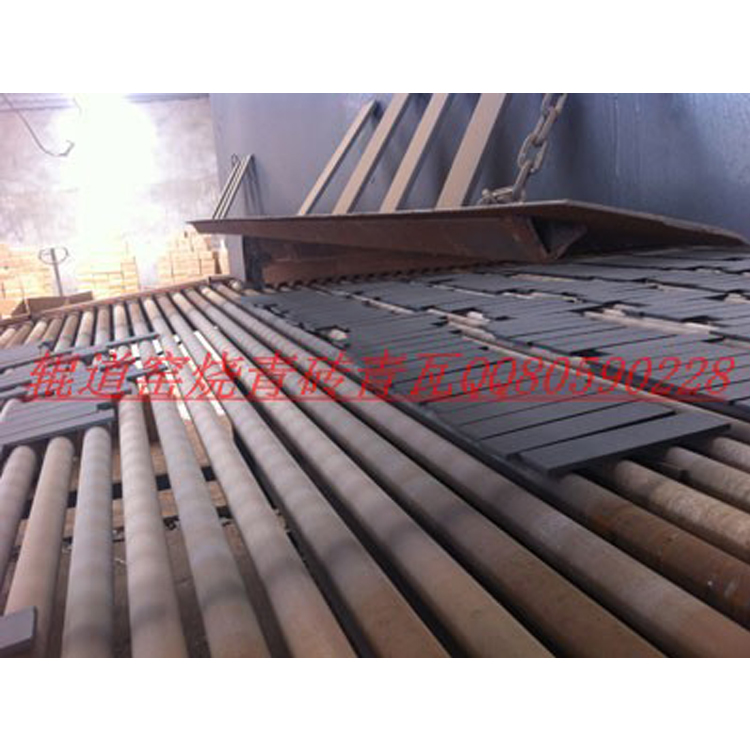
Clay bricks, fired from clay, which is the product of prolonged weathering of certain aluminum silicate minerals, are named for their粘性. After the clay is mixed with water to form brick molds, they are fired in a kiln (at about 1000℃) to become bricks. The clay contains iron; when it is fully oxidized during firing, it produces ferric oxide, resulting in red bricks. However, if water is added to cool the bricks during firing, the iron in the clay does not fully oxidize, forming ferrous oxide (FeO), which gives the bricks a blue color, known as blue bricks. The hardness of blue bricks is similar to that of red bricks, but the difference lies in the cooling method after firing. Red bricks are cooled naturally, which is simpler, hence the higher production of red bricks. Blue bricks are water-cooled (essentially an oxygen-deficient cooling process), which is more complicated to handle, resulting in lower production. Although their strength and hardness are comparable, blue bricks exhibit superior performance in terms of resistance to oxidation, hydration, and atmospheric erosion compared to red bricks.