
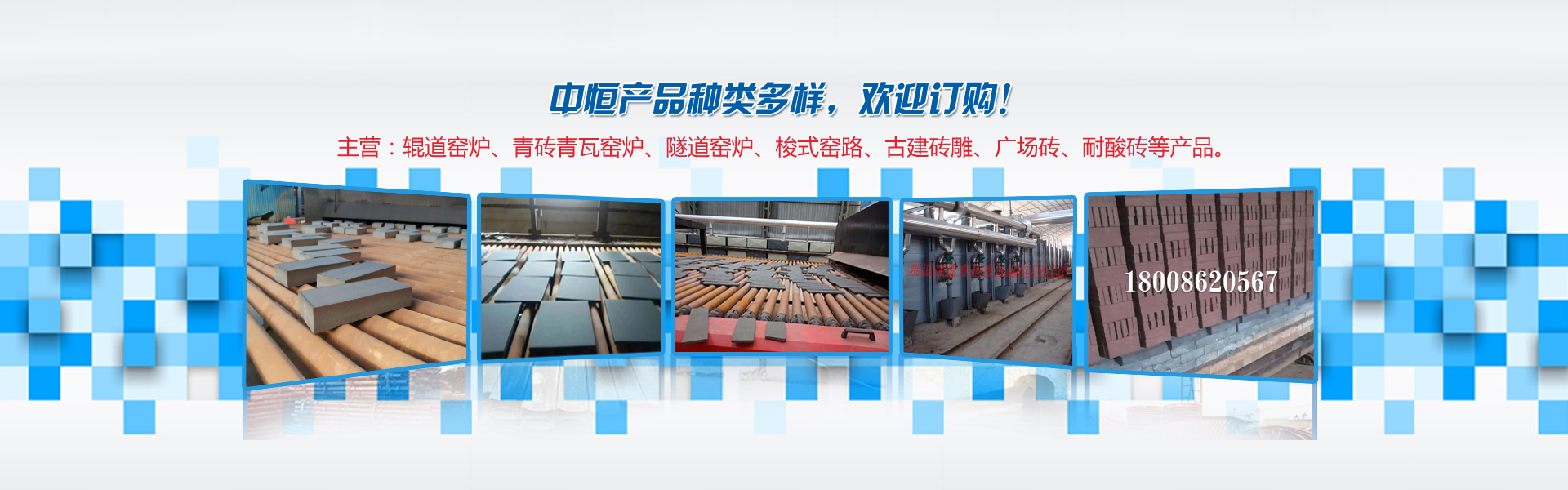
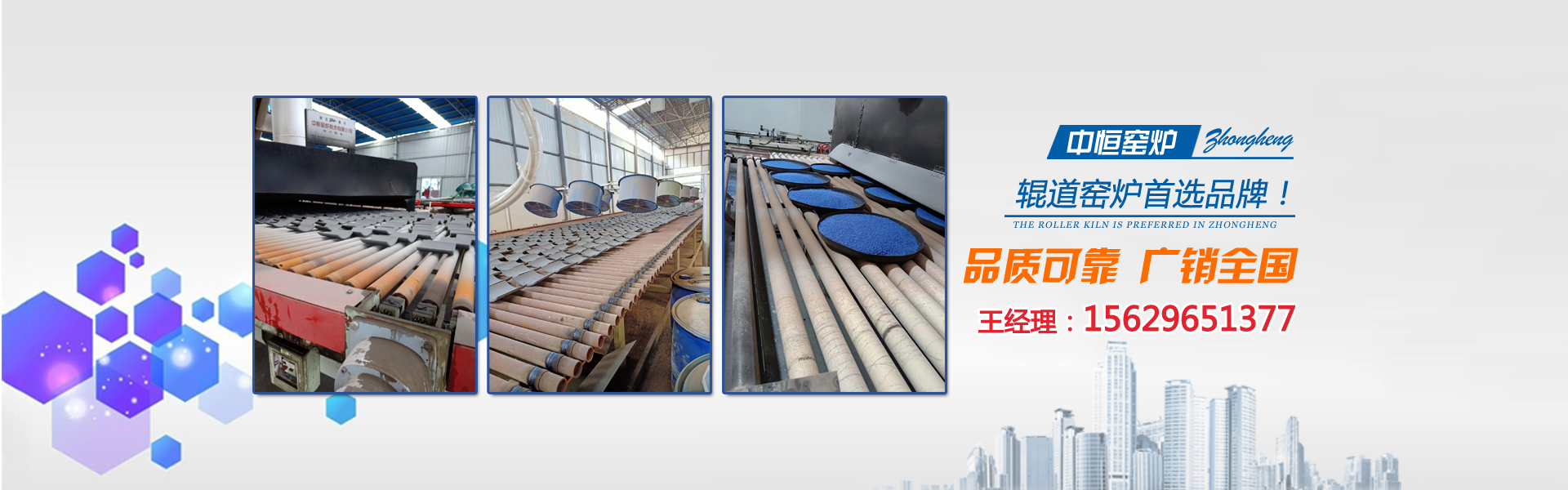
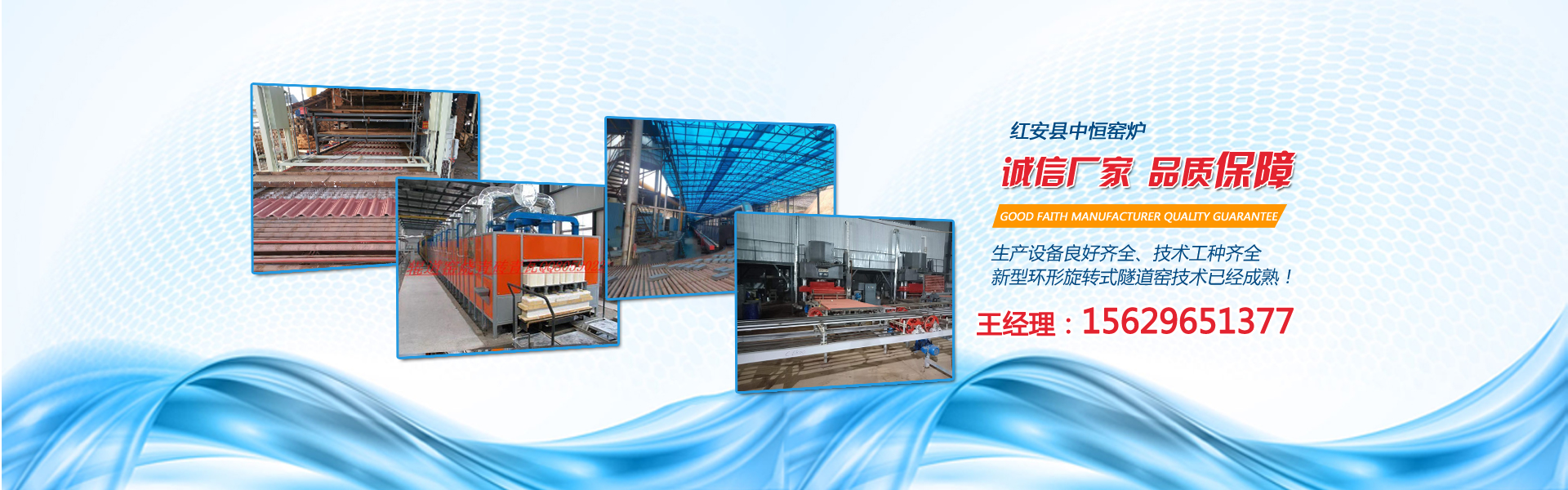

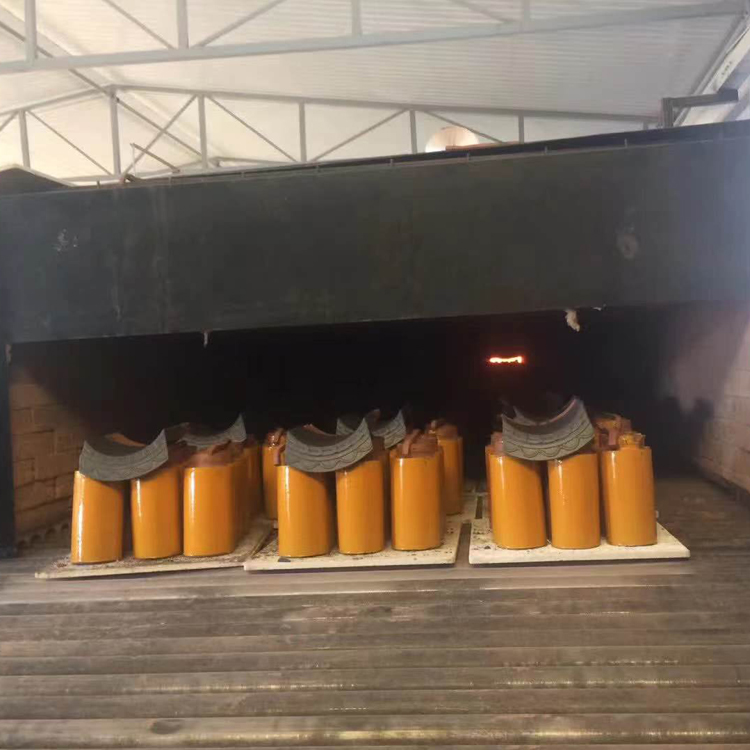


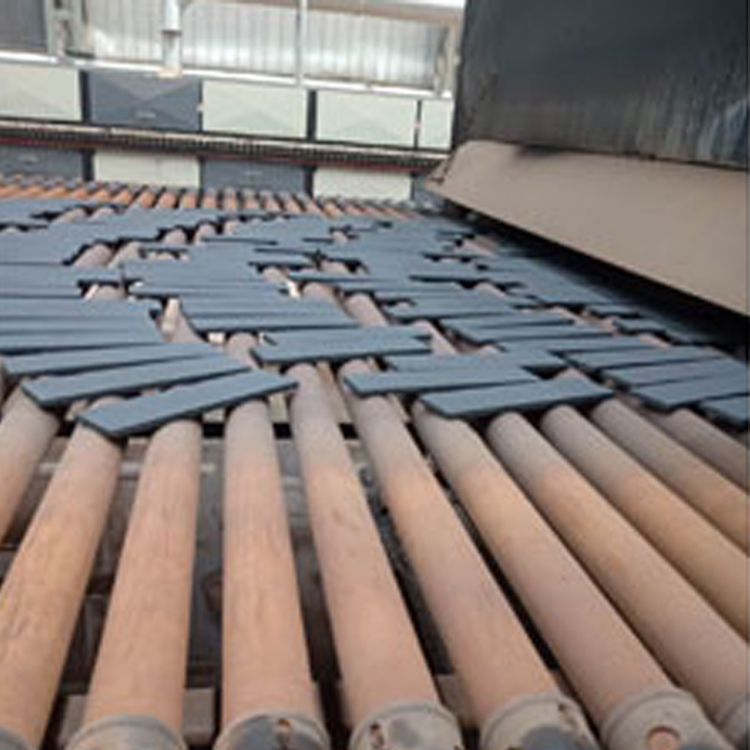
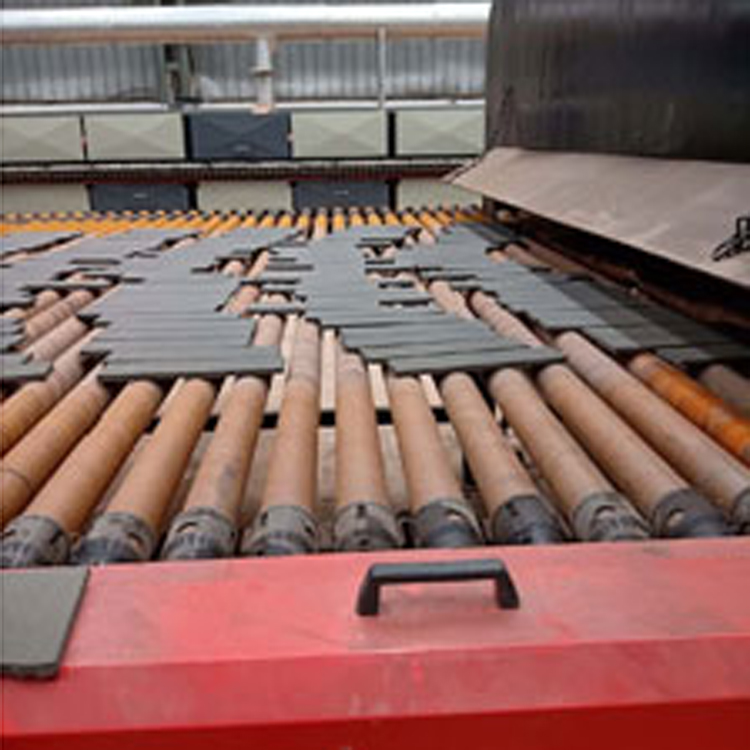
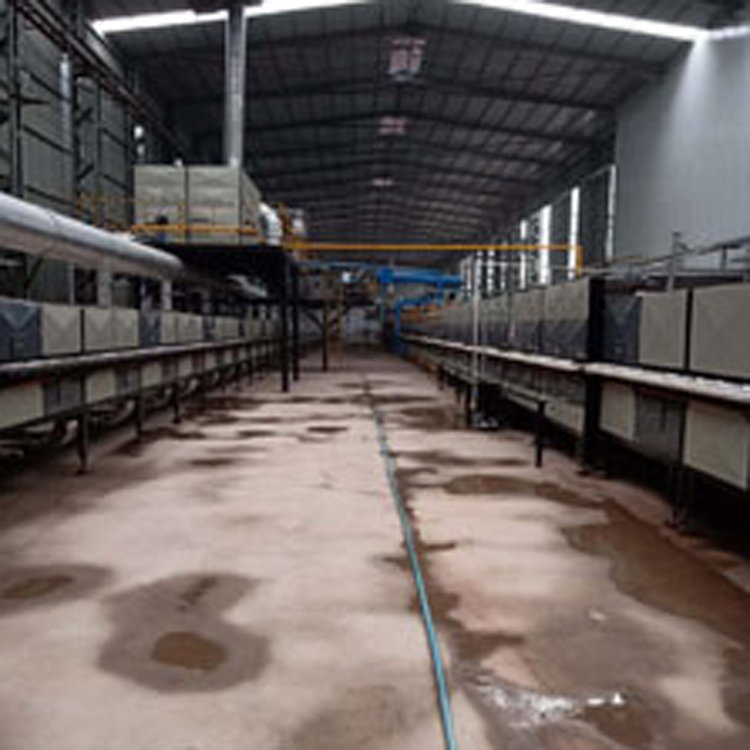
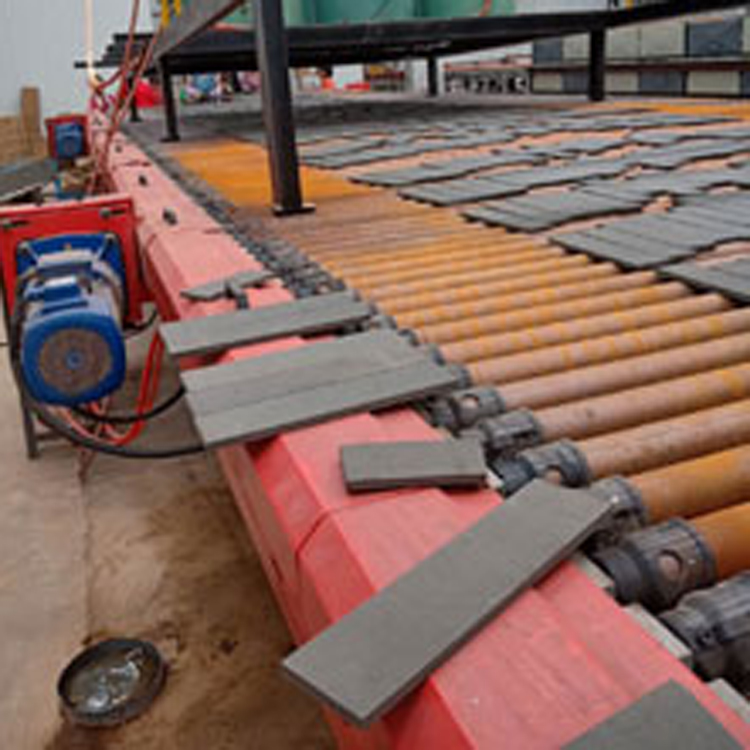
A roller kiln is a tunnel kiln with a narrow and elongated cross-section. Unlike tunnel kilns with kiln cars, it operates not with kiln cars loaded with products but with a series of parallel rollers that span the cross-section of the kiln's working channel, forming a "roller track." Products are placed on the roller track and are conveyed into the kiln as the rollers turn, completing the firing process within the kiln, hence the name "roller kiln." Roller kilns can be categorized by the combustion structure used, the heating method, or the number of channels. Generally, roller kilns in the building ceramics industry are classified by the combination of fuel and heating methods.
Bright Flame Roller Kiln - The flame enters the upper and lower spaces of the roller track, contacting and directly heating the products.
(1) Gas-fired flameless roller kiln. Common gas fuels include natural gas, blast furnace gas, liquefied petroleum gas, etc., with a requirement for clean gas.
(2) Direct flame roller kilns burning light diesel oil. Due to the simpler fuel supply system and lower investment compared to the gas supply system, most of the direct flame roller kilns built domestically in recent years have been for burning light diesel oil.
2. Flame Retarding Conveyor Kiln - The flame typically enters only the muffle channel isolated from the kiln chamber, where it radiates heat to the products and heats them through a flame-retarding plate.
(1) Coal-fired roller hearth kilns burn coal in a firebox, with the flames entering the flame-dividing channel (muffle channel) beneath the roller, indirectly heating the products. Some domestic coal-fired roller hearth kilns, to stabilize the kiln temperature and reduce the temperature difference between the upper and lower sections, install several electric heating elements (silicon carbide rods) on the roller to compensate for the heating of the products, which has a certain effect on improving product quality. Such roller hearth kilns can be called coal-electric mixed-firing roller hearth kilns, but they still fall under the category of coal-fired flame-dividing roller hearth kilns.
(2) Oil-burning flame-separation roller kilns use heavy oil or residue oil as fuel, with the flame typically entering the muffle flue beneath the kiln channel for indirect heating of the products. The oil-burning flame-separation roller kilns constructed in China in the early 1980s, in addition to having a muffle flue below the roller, also had one on top, but these were generally removed later. By the mid-late 1980s, most roller kilns burning heavy oil were upgraded to oil-burning semi-flame-separation roller kilns, which involved leaving a fire outlet at an appropriate location to allow some combustion products into the working channel. Since the oil-burning semi-flame-separation roller kilns, except for the fire outlet, have the same structure as the oil-burning full flame-separation roller kilns, they can be categorized together.
3. Electrically heated roller kiln - Utilizes electrically heated elements (silicon carbide rods or electric heating wires) installed above and below the rollers as a heat source for radiant heating of products. Suitable for manufacturers with abundant electricity resources or small-scale roller kilns. Among the aforementioned types of roller kilns, the flameless roller kiln, with its combustion products directly contacting the products, is beneficial for improving heat transfer efficiency, achieving uniform temperature distribution within the kiln cross-section, and energy conservation, representing the mainstream of roller kilns. Of course, each region has its own resource characteristics, and other types of roller kilns are also widely used in our country.
The roller kiln can also be classified based on the number of working channels: there are single-layer roller kilns, double-layer roller kilns, triple-layer roller kilns, and so on. Multi-layer roller kilns can save fuel, shorten the kiln length, reduce land usage, and lower investment costs. However, as the number of layers increases, it complicates the transport lines for entering and exiting the kiln, the interlock control system, and the kiln structure itself, making it more difficult to remove brick fragments.
Mostly, we use single-layer roller kilns in China, with some employing two-pass channels—one for firing products and the other for drying green bodies. The drying heat source utilizes the residual heat from the firing layer. Generally speaking, it is advisable to use multi-layer kilns when the kiln width is narrow, the working temperature is not too high, and the land is limited, but it is usually not recommended to exceed three layers.

.jpg)
