
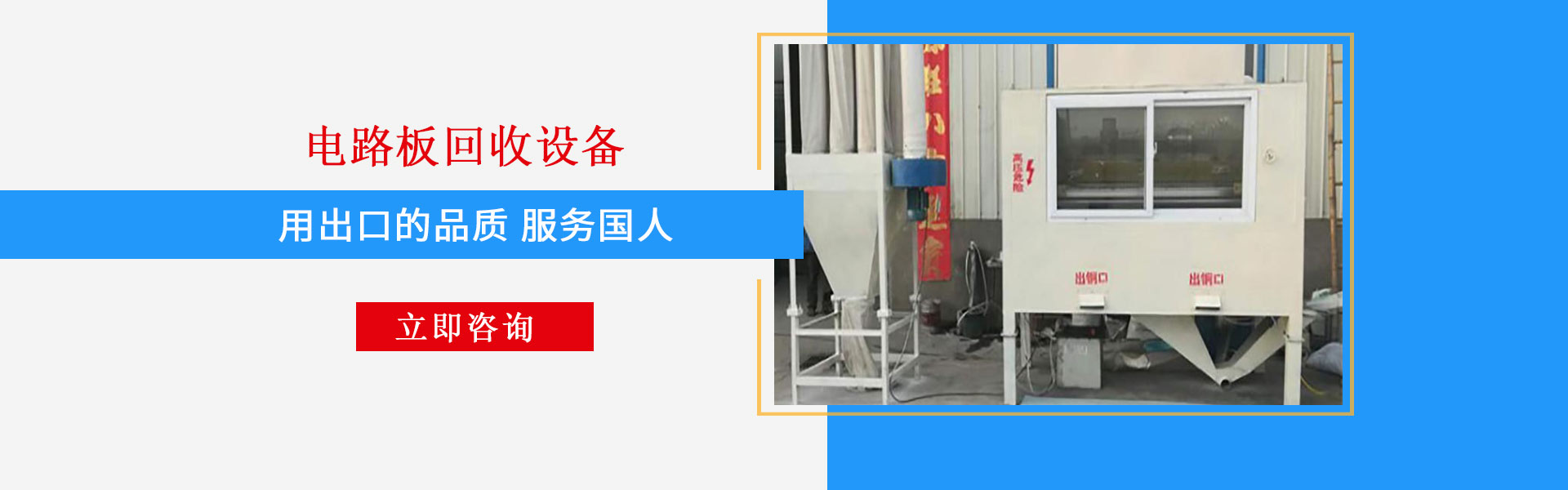
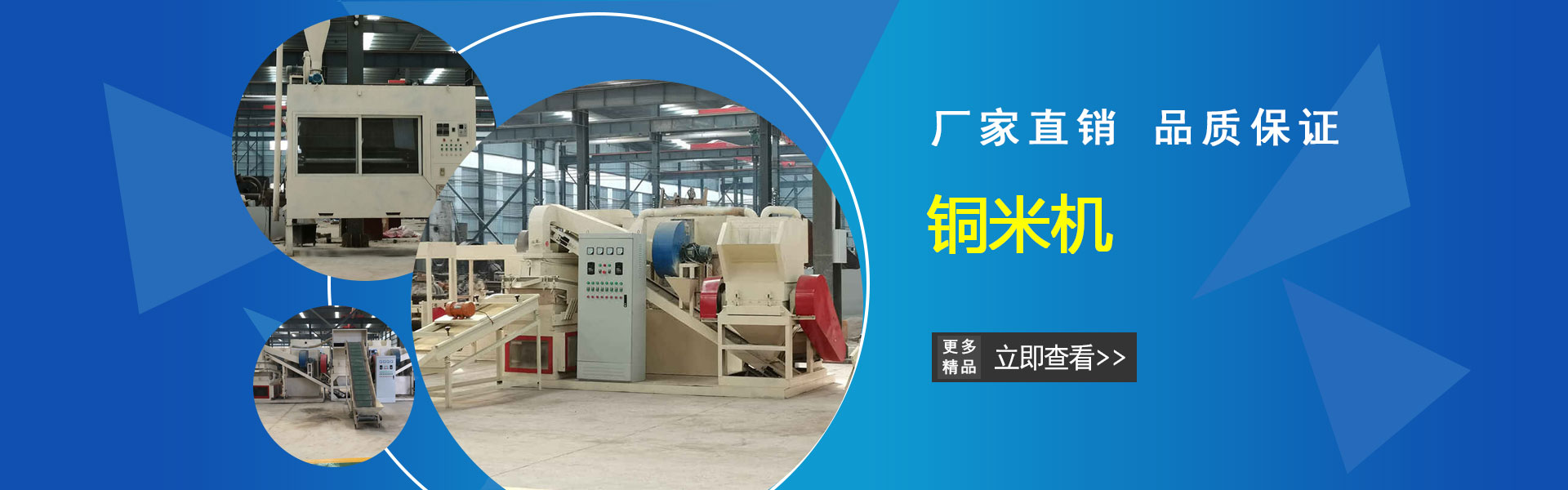
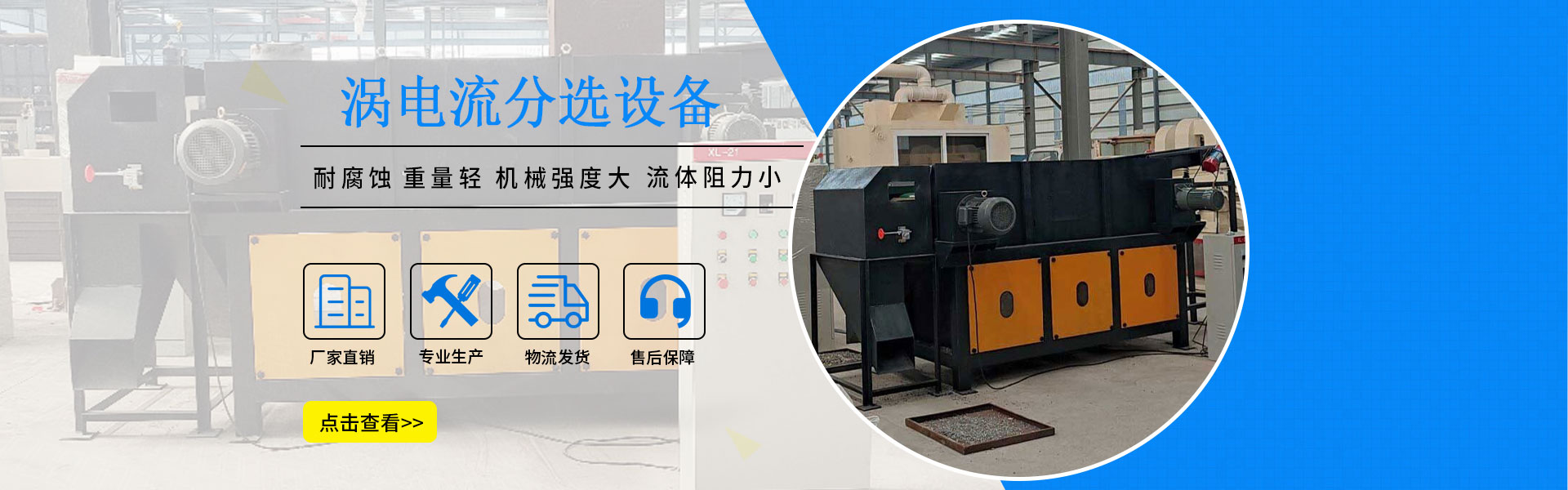


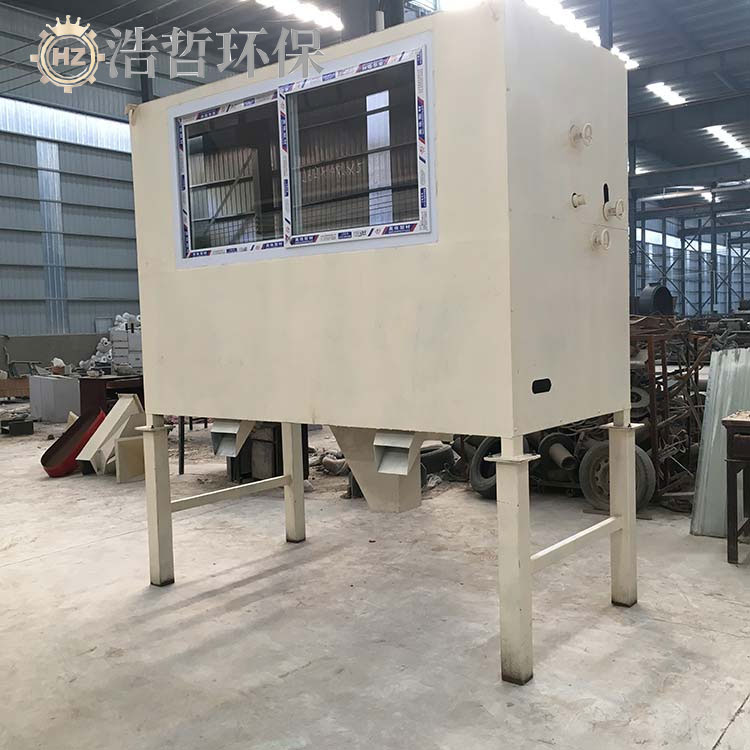
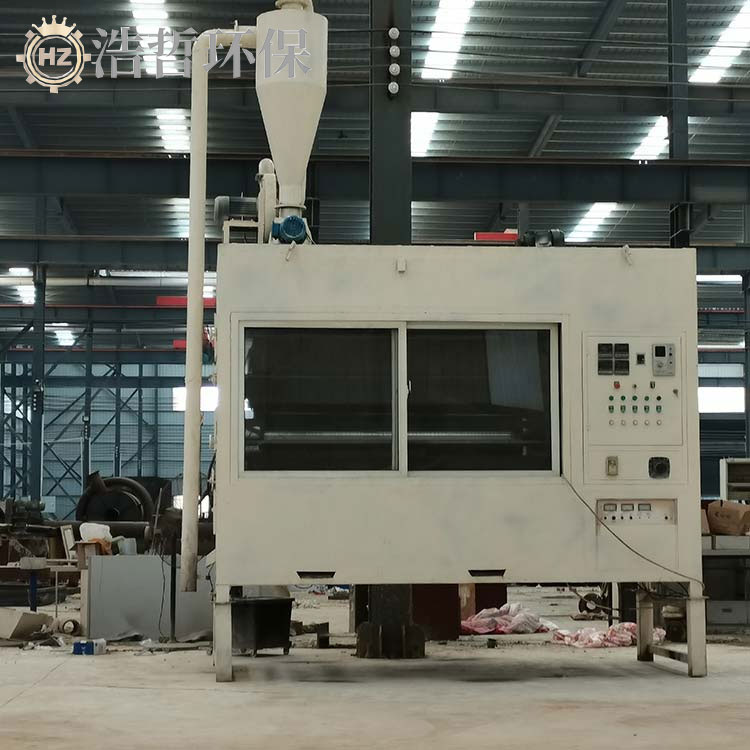

Static separation machine, also known as static separator, separates conductive from non-conductive materials using high-voltage static electricity. It is primarily used for separating metals from non-metals in circuit boards, as well as from waste circuit boards, cables, aluminum-plastic sheets, packaging bags, aluminum-plastic pipes, aluminum foil, and other metals. Static separator equipment is an essential component of circuit board recycling and copper rice machine equipment.
Eco-friendly electrostatic separators and air-pressure separators can separate conductive and non-conductive materials, as well as metals from non-metals, including various types of materials like used printed circuit boards (copper and PCBs), aluminum-plastic sheets, packaging bags, milk bags, Wahaha bottle caps, aluminum-plastic tubes, aluminum foil paper, and metal ore beneficiation. The air-pressure separator utilizes an eco-friendly three-in-one dust collector (cyclone dust collector + electrostatic precipitator + air purifier), featuring an attractive appearance and strong applicability.
Conductive materials, upon receiving electricity, are discharged into the ground through a grounded rotating roller, propelled by the roller's inertia and deposited into the conductor collection bin. Non-conductive materials, due to their poor conductivity, adhere to the surface of the rotating roller and are swept off into the non-conductor collection bin as the roller rotates. Some of the conductive and non-conductive materials fall into the middle material collection bin due to various factors such as roller speed, adjustment of equipment baffles, particle size of the materials, and the amount of electricity received, and are then re-entered into the feeding machine for further sorting.
Working Principle
The static separation equipment series, utilizing the phenomenon of static electricity for materials (static separators, high-voltage electrostatic separators, static sorting machines), is a series of technologies for separation, purification, and grading. It utilizes the frictional, di-electric, and dielectric properties of materials, creating a strong high-voltage electric field with a voltage difference of approximately 1.5 MV/m in a tunable 70KV narrow gap. This field excites different objects, causing them to carry varying amounts of charge. The separation of mixed objects is then based on the differences in the static release behavior, the weight of the objects, and their horizontal projectile motion velocity, among other effective forces.
Static separation process
The electrostatic separation process is simple, easy to maintain and operate, and the equipment itself has dust collection capabilities; being a dry process, there are no issues with waste water pollution or treatment, which is beneficial for environmental and labor protection. Electrostatic separation is a technology with immense development potential and a vast market prospect.
First, dry and crush the waste plastic into 10mm pieces, including fragments smaller than 6mm; add a regulator and surfactant at the 1*10-6 level to enhance its triboelectric charging; vigorously stir to achieve triboelectric charging, with different plastics generating opposite charges. When the charged plastic particles pass through a 120kV high-voltage electric field, they are attracted to the poles, with positively charged particles being drawn to the negative pole and negatively charged particles to the positive pole. The bottom of this device features two baffles that can return uncharged plastic particles to the unit for separation.
Applicable Material
1. Separation of aluminum-plastic composites (e.g., aluminum-plastic panels, aluminum-plastic pipes, aluminum-plastic packaging materials)
2. Separation of copper-plastic composites and circuit boards (e.g., wires, cables, circuit boards, etc.)
3. Combinations of metals and non-metals, mixtures of different polymers, and any combinations of substances with different polarities, as well as separation of objects of the same material with different diameters (such as: extracting metals from various metallurgical slag, beneficiation and purification of various mineral raw materials, extraction and separation of metallic and non-metallic fines from fly ash, etc.);静电separation equipment mixtures extraction and separation
4. Sorting, fiber inspection, product selection, and many other separation, purification, and isolation processes for mixtures.
Equipment Advantages
1. Due to the generation of tens of thousands of volts of high voltage internally while in operation, it is crucial to be extra cautious for any unexpected occurrences. Even when the machine stops working, high voltage charges remain within the equipment, posing a risk to operators who may inadvertently come into contact. Therefore, our company has specifically designed an automatic discharge function to provide reliable protection for the operators.
2. After a period of operation, the equipment generates a significant amount of dust internally, which directly affects the sorting performance. Our company has specifically designed an intermittent dust-blowing device to ensure the equipment maintains optimal sorting performance.
3. The electrostatic separator utilizes a stable high-voltage power supply. Due to the influence of weather humidity or peak electricity usage times, voltage fluctuations may occur, which can affect the sorting quality. The company has specifically designed an automatic voltage regulation device to ensure the stability of the high-voltage power supply.
4. Static separation equipment, depending on the material, utilizes a controlled feeding method or a separate variable-frequency speed control for feeding, ensuring the material enters the corona electric field evenly, achieving optimal separation effects.
5. Matching Products: A series of products including crushers, fine crushers, feeding machines, conveyors, dust removal systems, storage silos, grading screens, etc., with high levels of automation. Different materials require different decomposition and separation devices.
6. Static separation equipment is easy to repair, operate, and use. Speed and feeding adjustments are all controlled by variable frequency, with national standard motors for easy operation and maintenance.
